A cultivar is a cultivated plant selection maintained for recognizable characteristics. Named mango cultivars are commonly preserved by grafting, because seedlings from their fruit can differ genetically and horticulturally. A cultivar name is therefore more than a description such as sweet or yellow. Keep accurate labels and source records, and do not apply the mother's cultivar name to an unverified seedling. Environmental conditions can change appearance and performance without necessarily making a genuine graft a different cultivar.
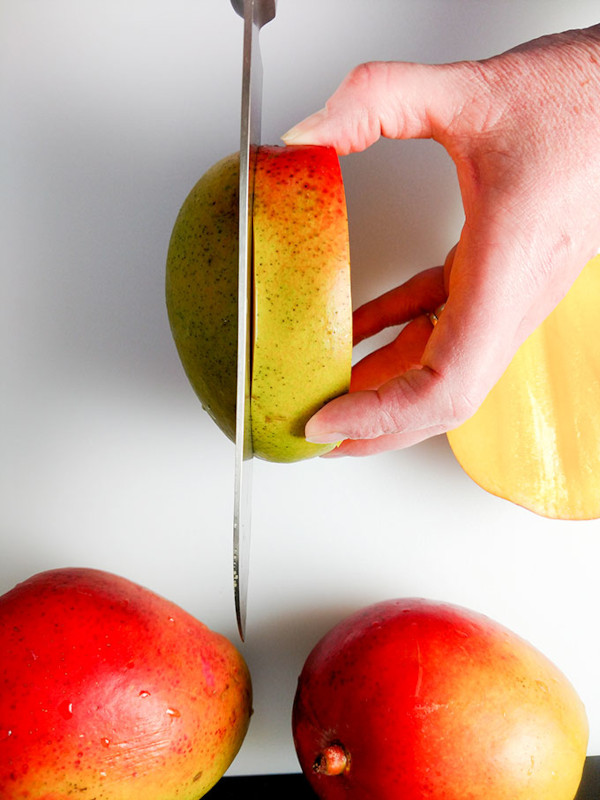
The cheek is either broad, fleshy side of a mango on opposite sides of the flattened seed. Cutting along each side of the seed produces the two pieces commonly called mango cheeks. The shape and fullness of these areas contribute to fruit appearance and practical slicing yield, but do not prove cultivar identity. When preparing fruit, wash the exterior first and use a stable cutting surface, because a slippery mango and an unexpectedly positioned seed can make careless cutting hazardous.
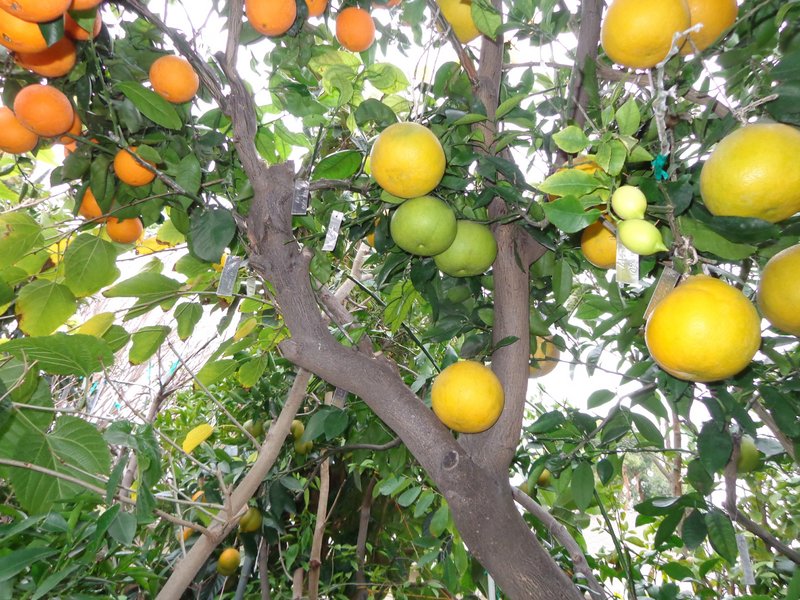
A cocktail tree is a fruit tree carrying more than one grafted cultivar. On a mango cocktail tree, each successfully grafted branch retains its own cultivar identity, offering variety within limited planting space. The arrangement does not guarantee balanced growth: a vigorous branch can shade or overtake weaker grafts, so labeling and selective pruning matter. Different harvest seasons may broaden the picking window where the cultivars perform appropriately, but combining branches does not make an unsuitable climate suitable for mango production.
The cold chain is the coordinated management of suitable temperatures during storage, transport, and distribution. For mangoes, suitable does not mean as cold as possible: immature or unripe fruit can suffer chilling injury. Breaks in temperature management can accelerate ripening, encourage condensation, or complicate arrival quality. Monitor actual product conditions where practical, not just a truck's thermostat setting, and match the handling program to maturity, cultivar, and the validated requirements of the supply chain.
Controlled atmosphere storage uses managed oxygen and carbon dioxide levels, together with temperature and humidity control, to slow changes in harvested fruit. For mangoes, an appropriate system can delay ripening and help maintain market quality, but unsuitable gas levels can cause off-flavors, discoloration, or tissue injury. It is a specialized commercial practice, not the same as sealing fruit in an airtight home container. Effective use depends on cultivar, maturity, monitoring, and equipment rather than a single gas recipe for every batch.
Cross-pollination is transfer of pollen between genetically different plants. For grafted mangoes, two separate trees of the same cultivar may still be the same genotype, while two different cultivars can provide genetically different pollen. Cross-pollination affects the embryo's parentage rather than changing the cultivar identity of the flesh on the current crop. It may be useful in breeding, but adding another tree does not automatically solve every flowering or fruit-retention problem.