A cultivar is a cultivated plant selection maintained for recognizable characteristics. Named mango cultivars are commonly preserved by grafting, because seedlings from their fruit can differ genetically and horticulturally. A cultivar name is therefore more than a description such as sweet or yellow. Keep accurate labels and source records, and do not apply the mother's cultivar name to an unverified seedling. Environmental conditions can change appearance and performance without necessarily making a genuine graft a different cultivar.
An accession is a separately identified sample or collection unit maintained in a germplasm collection. A mango accession number helps track a particular introduction or source, which may be a cultivar, a breeding selection, or other material. It is not automatically the same as a commercial variety name, and several accessions can share a name while having different histories. Preserve the number and provenance together when using collection records to investigate identity, performance, or breeding relationships.
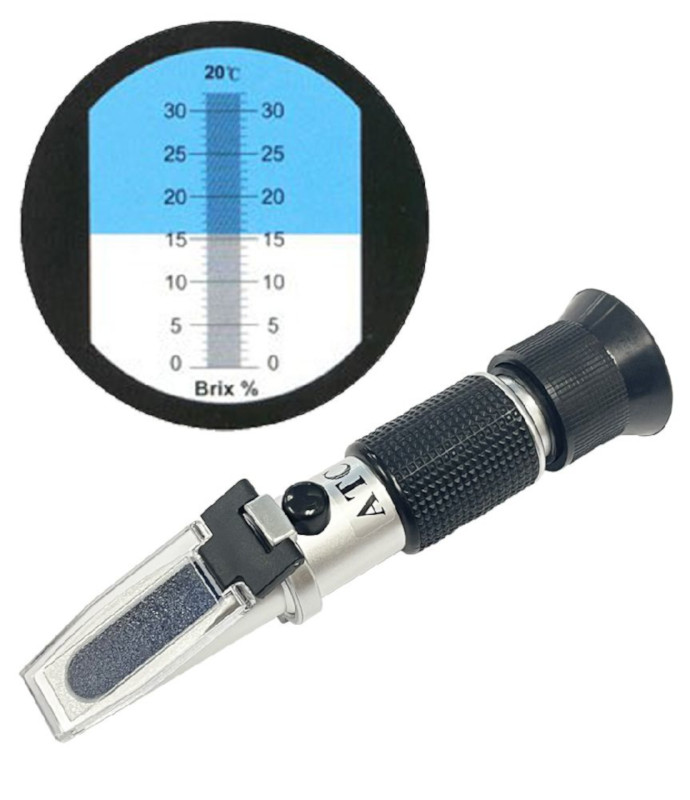
Brix is the scale on which a pure sucrose solution's concentration is expressed as grams of sucrose per 100 grams of solution. A refractometer reading on mango juice is an estimate of soluble solids rather than a direct measurement of each sugar. This existing entry complements Brix Level by explaining the scale itself. Calibrate the instrument and sample consistently when comparing fruit, and do not treat a single Brix value as proof of cultivar identity or universally better flavor.
Related products: brix tool
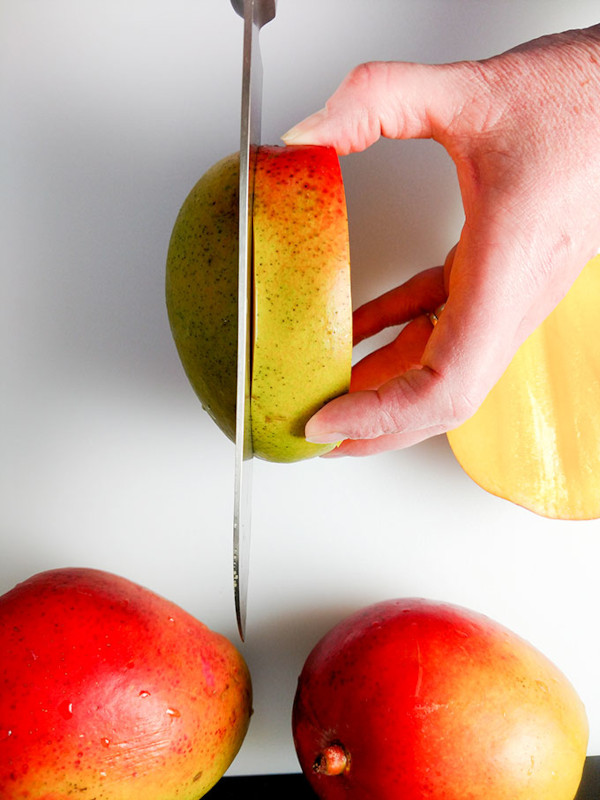
The cheek is either broad, fleshy side of a mango on opposite sides of the flattened seed. Cutting along each side of the seed produces the two pieces commonly called mango cheeks. The shape and fullness of these areas contribute to fruit appearance and practical slicing yield, but do not prove cultivar identity. When preparing fruit, wash the exterior first and use a stable cutting surface, because a slippery mango and an unexpectedly positioned seed can make careless cutting hazardous.
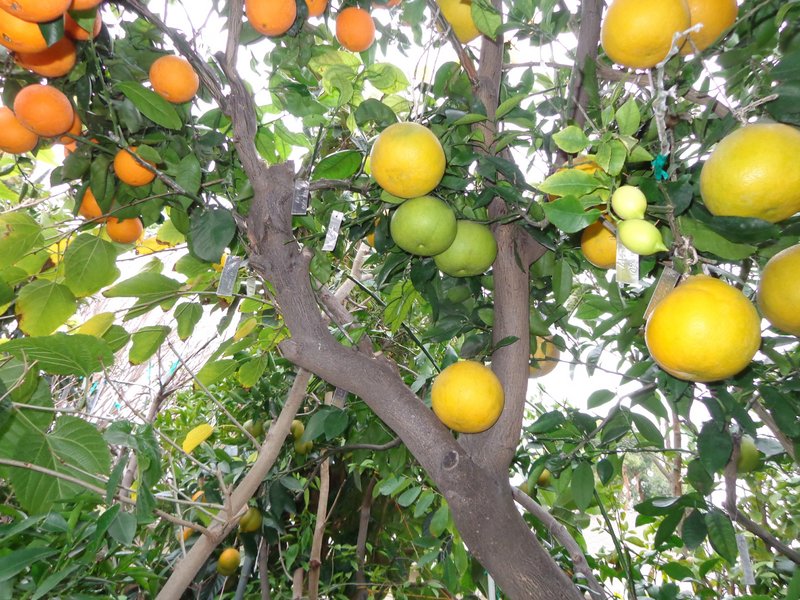
A cocktail tree is a fruit tree carrying more than one grafted cultivar. On a mango cocktail tree, each successfully grafted branch retains its own cultivar identity, offering variety within limited planting space. The arrangement does not guarantee balanced growth: a vigorous branch can shade or overtake weaker grafts, so labeling and selective pruning matter. Different harvest seasons may broaden the picking window where the cultivars perform appropriately, but combining branches does not make an unsuitable climate suitable for mango production.
The cold chain is the coordinated management of suitable temperatures during storage, transport, and distribution. For mangoes, suitable does not mean as cold as possible: immature or unripe fruit can suffer chilling injury. Breaks in temperature management can accelerate ripening, encourage condensation, or complicate arrival quality. Monitor actual product conditions where practical, not just a truck's thermostat setting, and match the handling program to maturity, cultivar, and the validated requirements of the supply chain.
Controlled atmosphere storage uses managed oxygen and carbon dioxide levels, together with temperature and humidity control, to slow changes in harvested fruit. For mangoes, an appropriate system can delay ripening and help maintain market quality, but unsuitable gas levels can cause off-flavors, discoloration, or tissue injury. It is a specialized commercial practice, not the same as sealing fruit in an airtight home container. Effective use depends on cultivar, maturity, monitoring, and equipment rather than a single gas recipe for every batch.
Cross-pollination is transfer of pollen between genetically different plants. For grafted mangoes, two separate trees of the same cultivar may still be the same genotype, while two different cultivars can provide genetically different pollen. Cross-pollination affects the embryo's parentage rather than changing the cultivar identity of the flesh on the current crop. It may be useful in breeding, but adding another tree does not automatically solve every flowering or fruit-retention problem.
Drought tolerance is a plant's ability to withstand limited water better than a more sensitive plant under comparable conditions. An established mango may cope with dry periods more effectively than a newly planted tree, whose small root system has less access to stored soil moisture. Tolerance does not mean maximum growth or fruit production without water, nor does it make every cultivar or rootstock equally adapted. Judge irrigation needs from root-zone moisture, weather, tree age, and crop stage.
Dry matter is the portion of a sample remaining after its water has been removed by a defined drying method. In mango harvest assessment, dry-matter percentage can help evaluate fruit development and likely ripening quality when the method and cultivar interpretation are appropriate. It is not the same as juice Brix or a universal eating-ripeness score. Sample representatively and use a validated procedure rather than assuming that one threshold works for every variety, region, or measurement device.
Ethnobotany is the study of relationships between people and plants, including uses, names, knowledge, and cultural practices. For mangoes, it can examine food traditions, planting customs, trade, and the preservation of locally valued selections. A record of traditional use is evidence of a cultural practice, not automatically proof of medical effectiveness or safety. Keeping that distinction clear allows historical and community knowledge to be discussed respectfully without inventing treatment claims or unsupported stories about cultivar origins.
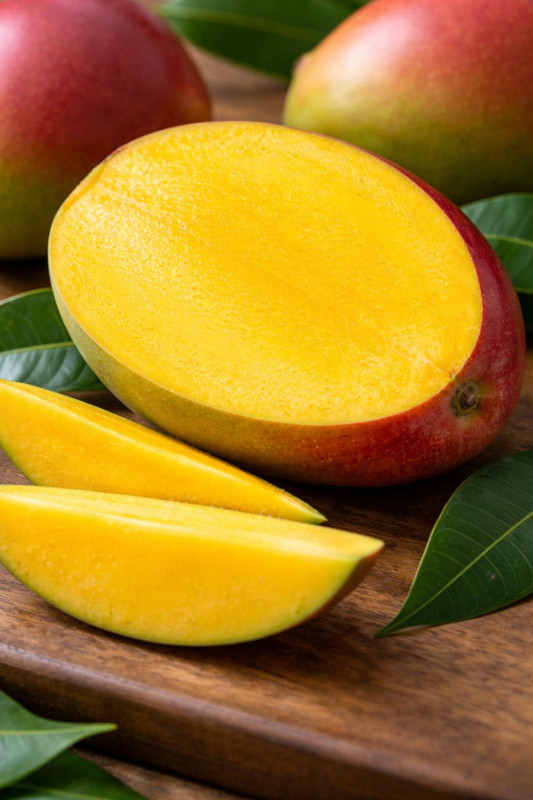
Fiberless is a practical eating-quality description for mango flesh with little noticeable stringiness, not a claim that the fruit contains absolutely no structural or dietary fiber. The amount perceived depends on cultivar, ripeness, and which part of the flesh is sampled. Low-fiber flesh can be pleasant for fresh eating, but texture is only one aspect of quality. Compare sound fruit at similar stages and avoid assuming that a smooth sample alone identifies a variety or guarantees a particular flavor.

Fibrous describes mango flesh with noticeable string-like strands, especially near the seed. These strands include vascular tissue and influence eating texture, but the term does not by itself indicate poor nutrition, spoilage, or an inferior cultivar. Some people prefer smooth dessert fruit while others enjoy more fibrous mangoes or use them in drinks and cooking. Compare fruit at a similar eating-ripe stage, and separate the amount of fiber from other qualities such as sweetness, acidity, aroma, and flesh firmness.
FS means For Sale in plant-collector and marketplace posts. In a mango listing it may refer to a tree, scion wood, seeds, or fruit, so the abbreviation alone says nothing about what is included or whether the item is true to type. Check the cultivar name, propagation method, plant health, size, and shipping restrictions before purchasing. A seller's photograph of attractive fruit is not proof that an offered seedling will produce that same fruit.
FT means For Trade: an item is being offered in exchange for something else rather than simply listed for a cash sale. Mango growers may trade scions, grafted plants, or seeds, but the parties need to agree on cultivar identity, quantity, condition, and timing. Plant-health and movement restrictions still apply to a trade. Keep labels attached and document the source, because a mistaken scion label can propagate an identification error through many later trees.

A geographical indication identifies a product whose origin is linked to a defined place and whose qualities, reputation, or characteristics are associated with that origin under an applicable legal system. In mango commerce it can distinguish a protected regional product from a cultivar name used elsewhere. Protection, labeling rules, and production specifications depend on the registration and jurisdiction. A geographical indication does not mean every fruit is identical, and a tree grown outside the defined area does not acquire the designation merely by sharing a cultivar name.