A scion is the shoot or other selected plant material joined to a rootstock during grafting. For mangoes, it carries the identity of the cultivar intended to form the upper tree and produce fruit. Scion health, maturity, freshness, and correct labeling matter as much as the cutting technique. Collect only from suitable, identified trees, protect material from drying, and do not assume that a vigorous-looking shoot is free of every transmissible problem.
Seed viability is the capacity of a seed to remain alive and potentially germinate under suitable conditions. A mango stone may look intact even when the embryo inside has been injured, dried excessively, or decayed. Freshness, handling, and storage history therefore matter when selecting seed. Viability is not the same as guaranteed emergence: an alive seed can still fail under poor planting conditions. It also says nothing about whether the resulting tree will reproduce the parent cultivar's fruit.
Self-compatibility is the ability of a plant's own pollen, or pollen from the same genotype, to contribute to successful fertilization. Many mango cultivars can set fruit without a different cultivar nearby, but actual cropping also depends on flower health, weather, pollinators, and tree condition. It is not a guarantee that every solitary tree will crop heavily. A second tree cannot correct poor drainage, damaged flowers, or an unsuitable climate merely by being present in the same yard.
Sensory evaluation is systematic assessment using human senses, including aroma, taste, texture, and appearance. For mango comparisons, sample identity, ripeness, serving conditions, and the order of tasting can affect the result. Clear notes distinguish a preference from a measurable claim about every fruit of a cultivar. Comparing several sound samples is more informative than judging an entire variety from one bruised or underripe mango, and a panel's favorite need not be the best tree for every grower's climate.
Shelf life is the useful period during which a harvested mango retains acceptable quality under stated conditions. It depends on harvest maturity, cultivar, temperature, humidity, injuries, and decay, rather than being one fixed number of days. A fruit can still look attractive while its flavor or texture has deteriorated. Store and handle batches consistently, inspect them regularly, and use the most advanced fruit first. A shelf-life estimate is not a guarantee that visibly moldy or fermented fruit is safe to eat.
Shoulders are the upper curves of a mango near the stem attachment. Their fullness can be one useful sign of fruit development, particularly when compared with other fruit of the same cultivar. Raised shoulders alone do not prove that a mango is eating-ripe or ready to harvest, because natural shape varies between varieties. Combine shape with known development time, internal maturity observations where available, and the expected behavior of that tree rather than relying on a single photograph or universal rule.
Spongy tissue is an internal mango quality disorder in which part of the flesh develops an abnormal, often pale or corky texture instead of normal ripening. It may be hidden beneath a reasonably normal peel. The term describes the tissue condition and is not proof of a particular pathogen or a single cause in every cultivar. Assess maturity, temperature history, and the distribution of affected fruit, and avoid presenting extra fertilizer or an unverified spray as a guaranteed cure.
Topworking changes the cultivar carried by an established tree by grafting selected scions onto suitable branches or regrowth. On mangoes it can replace an unsatisfactory selection or create a multi-cultivar tree without starting with a new root system. The operation needs planning for branch structure, exposed bark, vigorous competing shoots, and the balance of new grafts. Large cuts and heavy canopy removal create risks, so an established tree should not be stripped indiscriminately in pursuit of a quicker crop.
Traceability is the ability to follow a product or plant material through documented stages of its history. Mango fruit records may connect an orchard block, harvest date, packing batch, and customer, while nursery records can connect a graft to its scion source and rootstock batch. Useful traceability requires labels and records that remain linked as material moves. It supports investigation and quality control but does not independently prove a cultivar claim or replace inspection for pests and disease.
USDA stands for United States Department of Agriculture, the federal department responsible for a broad range of agricultural programs. Mango growers may encounter USDA information through plant research, genetic-resource collections, agricultural statistics, organic certification programs, and plant-health services. Those responsibilities are carried out by different agencies and programs, so a reference to USDA is not automatically a recommendation or approval for a product. Check which program is involved when interpreting a cultivar record, import requirement, or certification claim.

Walter Zill is a Florida mango grower associated with the selection and propagation of mangoes, including the selection known as Pickering. His work belongs to the broader history of the Zill family's involvement with mango growing in South Florida. A named seedling selection becomes dependable nursery material through identification and vegetative propagation, not simply by sharing a family name. When researching this history, distinguish the person, the cultivar, and other family members rather than transferring a cultivar's growth or disease traits to every Zill selection.
View the Pickering variety
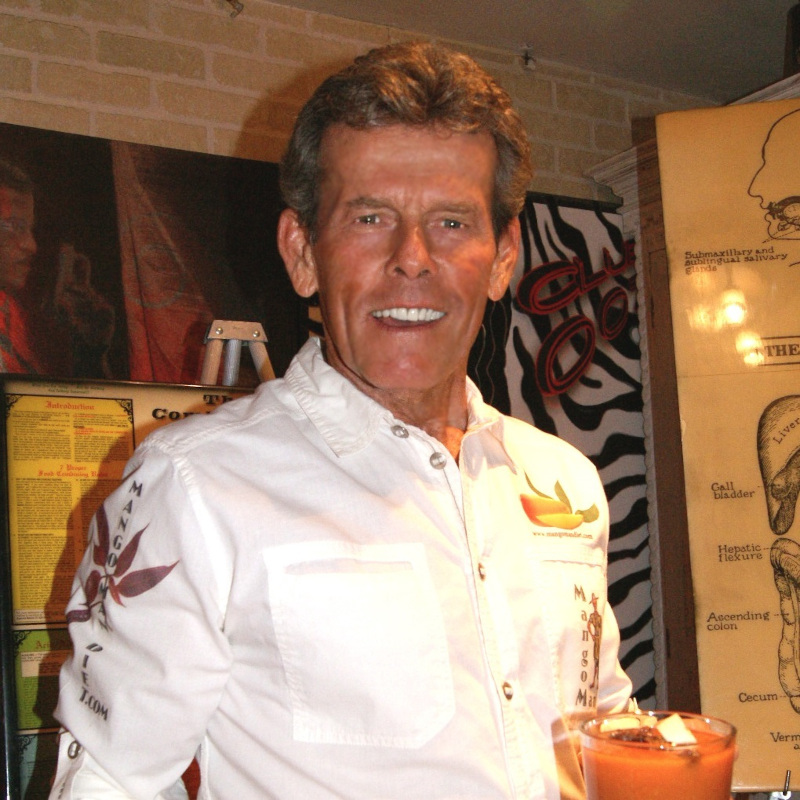
Wayne Pickering, widely known in the mango community as The Mango Man, was a nutrition educator and fruit enthusiast whose name is associated with the Pickering mango selected by Walter Zill. The person and the cultivar are related historically but are not interchangeable subjects: claims about the tree's performance should be checked against cultivar information rather than inferred from a biography. Mango Database's tribute discusses his community connection. Personal recollections should be identified as recollections, without treating an unverified quotation or date as an established scientific fact.
Read the Mango Database tribute
WTB means Want To Buy in marketplace and collector posts. A mango grower may use it when seeking a named grafted tree, scion wood, or fruit, but should specify what form of material is wanted. Include location and delivery constraints, and ask for clear identification and propagation details before agreeing to a purchase. Seeds collected from a named mango do not necessarily produce that same cultivar, so a WTB request should distinguish seedlings from verified grafted plants.
WTS means Want To Sell, a marketplace abbreviation indicating that a grower intends to offer an item for purchase. In mango groups the item could be fruit, a tree, seed, or scion wood, so readers need more detail than the abbreviation. A responsible listing states cultivar identity, propagation method, size or quantity, and collection or shipping arrangements. Do not infer disease freedom, legal movement permission, or true-to-type seed propagation simply from a seller's WTS label.
WTT means Want To Trade, a shorthand used when a grower wants to exchange plants or propagation material. In mango collecting, useful listings state both what is available and what is sought, together with the source and condition of the material. Cultivar labels, plant-health rules, and shipping requirements matter even when no money changes hands. Keep separate records for each scion and exchange, because an attractive trade is not worthwhile if identity or disease status is uncertain.
A zygotic seedling develops from an embryo formed through fertilization of an egg by pollen. It combines genetic contributions from the parents and can differ from the mother tree even after self-pollination. Mango seeds may produce such a seedling, while polyembryonic seeds can also contain nucellar embryos arising from maternal tissue. The distinction matters for breeding and identity: a seedling grown from a named mango cannot automatically be sold or recorded as that same cultivar.