This site contains affiliate links for which we may be compensated.

Mango Database
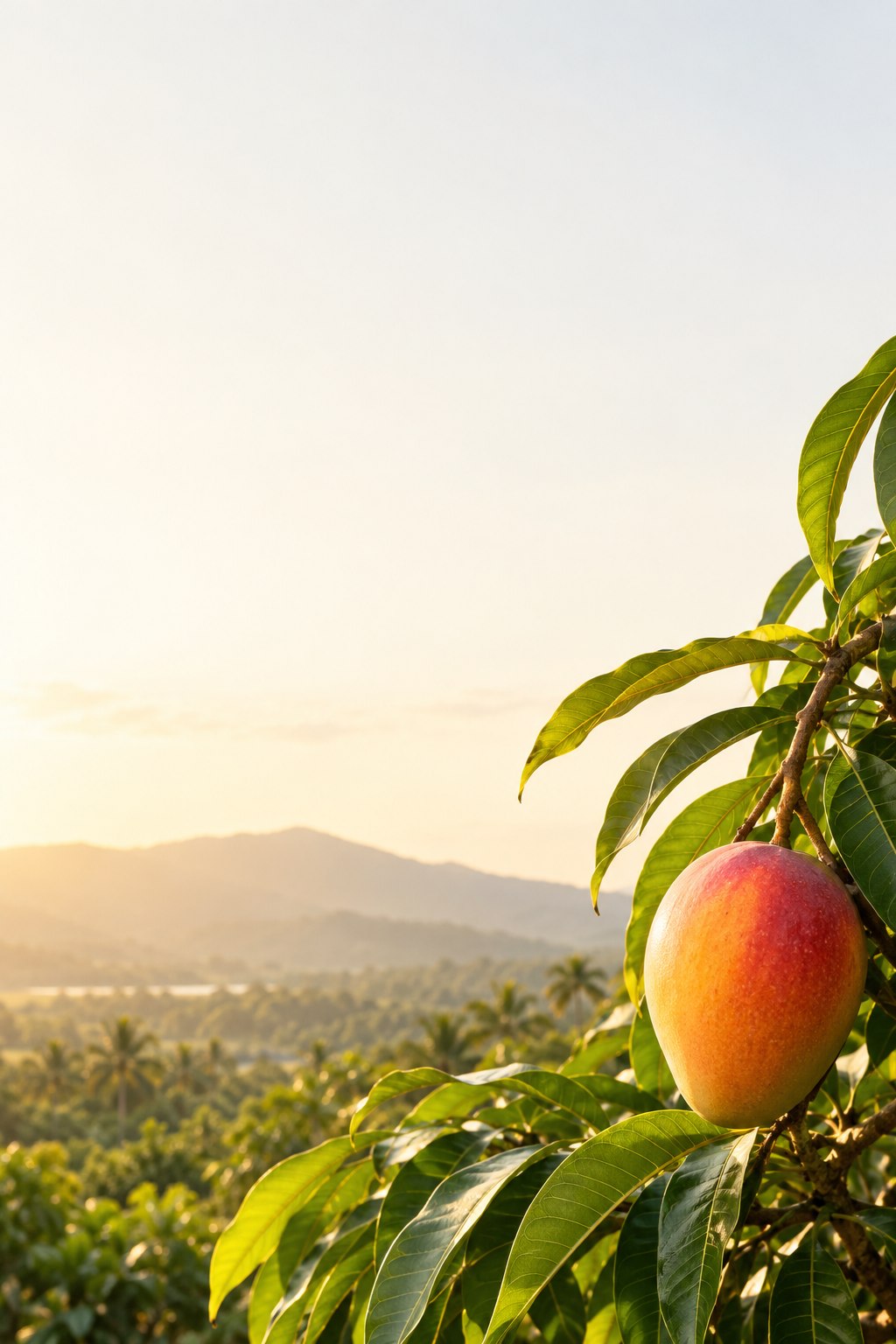
Mangoes in a sunlit tropical orchard

Mango Glossary

Understand the language of mango growing, one term at a time.

Explore Mango Terminology

Browse definitions and growing concepts to expand your mango knowledge.

Showing 22–26 of 26 terms
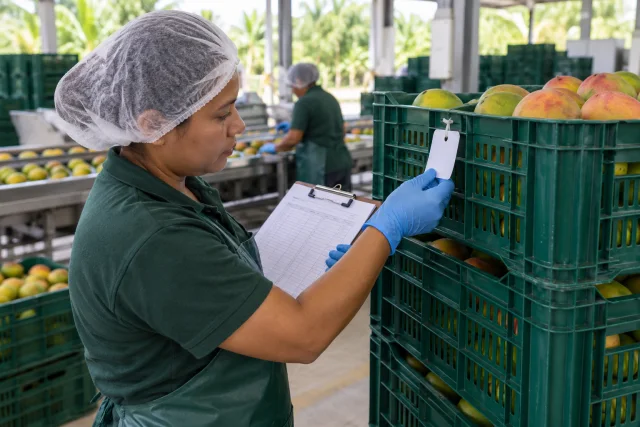
Traceability (generated editorial illustration)

Traceability

Traceability is the ability to follow a product or plant material through documented stages of its history. Mango fruit records may connect an orchard block, harvest date, packing batch, and customer, while nursery records can connect a graft to its scion source and rootstock batch. Useful traceability requires labels and records that remain linked as material moves. It supports investigation and quality control but does not independently prove a cultivar claim or replace inspection for pests and disease.

Read more about Traceability

Veneer Grafting

Veneer grafting joins a prepared scion to a shallow cut along the side of a rootstock stem. It is used in mango propagation because it can provide a useful area of tissue contact without immediately removing the entire rootstock top. Accurate cuts, suitable stem maturity, and prevention of drying are important. The remaining stock growth is managed as the graft establishes. Success rates depend on material, weather, and skill rather than a method name alone.

Read more about Veneer Grafting

WTB

WTB means Want To Buy in marketplace and collector posts. A mango grower may use it when seeking a named grafted tree, scion wood, or fruit, but should specify what form of material is wanted. Include location and delivery constraints, and ask for clear identification and propagation details before agreeing to a purchase. Seeds collected from a named mango do not necessarily produce that same cultivar, so a WTB request should distinguish seedlings from verified grafted plants.

Read more about WTB

WTS

WTS means Want To Sell, a marketplace abbreviation indicating that a grower intends to offer an item for purchase. In mango groups the item could be fruit, a tree, seed, or scion wood, so readers need more detail than the abbreviation. A responsible listing states cultivar identity, propagation method, size or quantity, and collection or shipping arrangements. Do not infer disease freedom, legal movement permission, or true-to-type seed propagation simply from a seller's WTS label.

Read more about WTS

WTT

WTT means Want To Trade, a shorthand used when a grower wants to exchange plants or propagation material. In mango collecting, useful listings state both what is available and what is sought, together with the source and condition of the material. Cultivar labels, plant-health rules, and shipping requirements matter even when no money changes hands. Keep separate records for each scion and exchange, because an attractive trade is not worthwhile if identity or disease status is uncertain.

Read more about WTT