This site contains affiliate links for which we may be compensated.

Mango Database
Mangoes in a sunlit tropical orchard

Mango Glossary

Understand the language of mango growing, one term at a time.

Explore Mango Terminology

Browse definitions and growing concepts to expand your mango knowledge.

Showing 29–35 of 35 terms
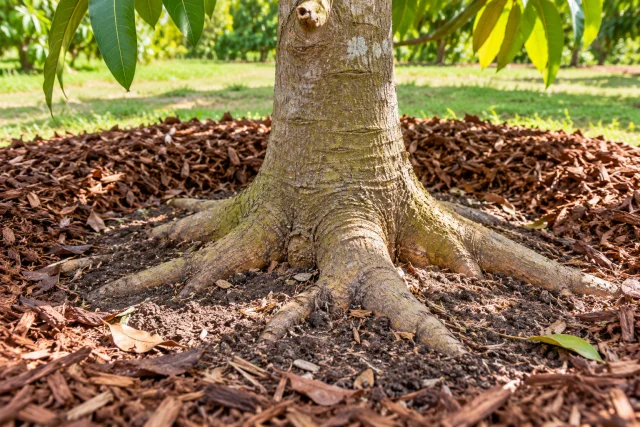
Root Flare (generated editorial illustration)

Root Flare

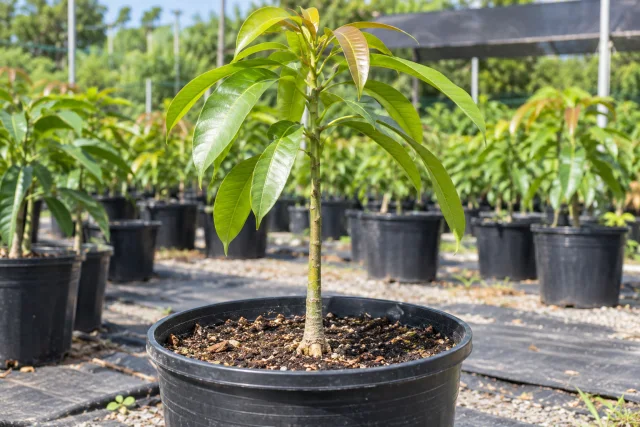
The root flare is the transition near the base of a tree where the trunk broadens into major roots. Recognizing it helps avoid planting a mango too deeply or piling mulch against the trunk. Nursery media can hide the original position, so inspect the tree rather than assuming the top of the pot always marks the correct ground level. A visible graft union is a different feature, usually higher on the stem, and should not be mistaken for the root flare.

Read more about Root Flare
Rooting

Rooting

Rooting is the formation and development of roots. The word can describe a germinating mango seed, new roots after transplanting, or attempts to propagate a cutting, but those are different processes with different success rates. Mango is commonly multiplied by grafting onto seedling rootstocks because ordinary cuttings are not reliably easy to root. New leaf growth alone is not proof that a detached cutting has a working root system. Evaluate roots and sustained growth before treating it as established.

Read more about Rooting
Rootstock (generated editorial illustration)

Rootstock

A rootstock is the rooted plant onto which a scion is grafted. In mango production it is commonly a seedling selected for suitability as a nursery and orchard foundation. It can influence vigor and responses to growing conditions, but it does not turn the scion into a different cultivar or make a mango frost-proof. Record the rootstock where known, keep the union above the soil, and remove unwanted rootstock shoots that could outgrow the intended canopy.

Read more about Rootstock
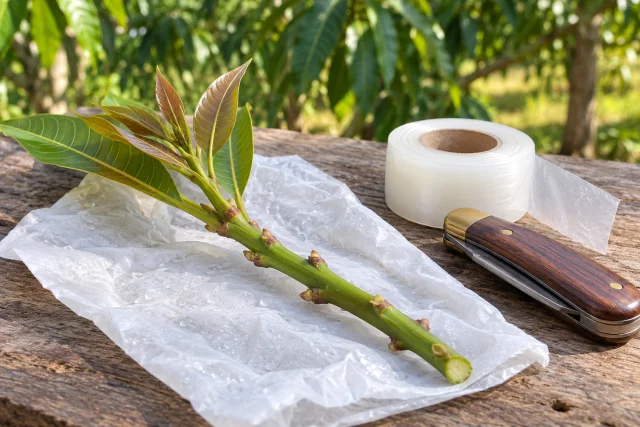
Scion (generated editorial illustration)

Scion

A scion is the shoot or other selected plant material joined to a rootstock during grafting. For mangoes, it carries the identity of the cultivar intended to form the upper tree and produce fruit. Scion health, maturity, freshness, and correct labeling matter as much as the cutting technique. Collect only from suitable, identified trees, protect material from drying, and do not assume that a vigorous-looking shoot is free of every transmissible problem.

Read more about Scion

Topworking

Topworking changes the cultivar carried by an established tree by grafting selected scions onto suitable branches or regrowth. On mangoes it can replace an unsatisfactory selection or create a multi-cultivar tree without starting with a new root system. The operation needs planning for branch structure, exposed bark, vigorous competing shoots, and the balance of new grafts. Large cuts and heavy canopy removal create risks, so an established tree should not be stripped indiscriminately in pursuit of a quicker crop.

Read more about Topworking
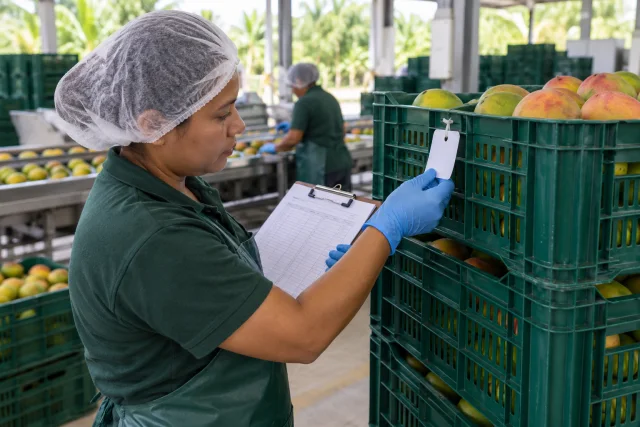
Traceability (generated editorial illustration)

Traceability

Traceability is the ability to follow a product or plant material through documented stages of its history. Mango fruit records may connect an orchard block, harvest date, packing batch, and customer, while nursery records can connect a graft to its scion source and rootstock batch. Useful traceability requires labels and records that remain linked as material moves. It supports investigation and quality control but does not independently prove a cultivar claim or replace inspection for pests and disease.

Read more about Traceability

WTB

WTB means Want To Buy in marketplace and collector posts. A mango grower may use it when seeking a named grafted tree, scion wood, or fruit, but should specify what form of material is wanted. Include location and delivery constraints, and ask for clear identification and propagation details before agreeing to a purchase. Seeds collected from a named mango do not necessarily produce that same cultivar, so a WTB request should distinguish seedlings from verified grafted plants.

Read more about WTB