
This site contains affiliate links for which we may be compensated.

Mango Database
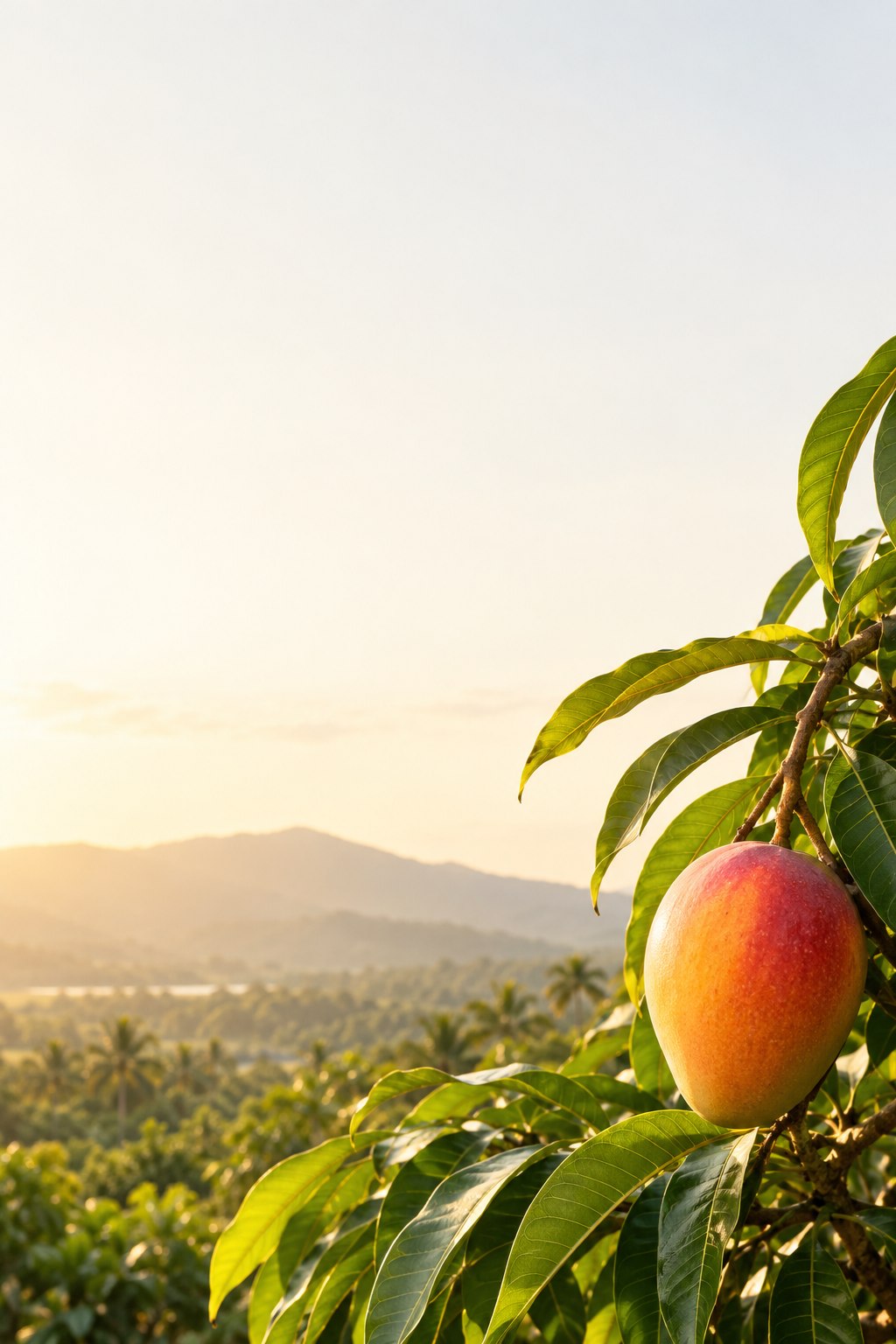
Mangoes in a sunlit tropical orchard

Mango Glossary

Understand the language of mango growing, one term at a time.

Explore Mango Terminology

Browse definitions and growing concepts to expand your mango knowledge.

Showing 1–3 of 3 terms

Parthenocarpy

Parthenocarpy is fruit development without fertilization. It is a botanical process rather than a general name for all small or poorly developed fruit. Some mango fruit abnormalities involve absent or failed seed development, but outward appearance alone cannot establish exactly how they arose. Distinguish parthenocarpy from embryo abortion after fertilization and from simple growth limitation. The distinction is useful in breeding and diagnosis, while growers should avoid claiming that every seedless-looking fruit proves a tree is naturally seedless.

Read more about Parthenocarpy

Pollen Tube

A pollen tube is the structure that grows from a germinating pollen grain toward the ovule, carrying the male reproductive cells. It is part of the process between pollination and fertilization in mango flowers. Suitable pollen placement is therefore only an early step, not proof that a seed and fruit will develop. Temperature, compatibility, and flower condition can influence success. This concept helps explain why a tree can have abundant insect visits yet retain only a small share of its flowers as fruit.

Read more about Pollen Tube

Pollination

Pollination is the transfer of pollen to a flower's receptive stigma. Mango panicles bear male flowers and bisexual flowers, and insects such as flies and bees can help move pollen between them. A mango can often set fruit without a second cultivar, but pollination is only one step: fertilization, weather, disease, and the tree's resources also influence retention. Protect useful flower visitors and avoid interpreting every fallen flower as evidence that the tree needs a pollination partner.

Read more about Pollination