Pollination is the transfer of pollen to a flower's receptive stigma. Mango panicles bear male flowers and bisexual flowers, and insects such as flies and bees can help move pollen between them. A mango can often set fruit without a second cultivar, but pollination is only one step: fertilization, weather, disease, and the tree's resources also influence retention. Protect useful flower visitors and avoid interpreting every fallen flower as evidence that the tree needs a pollination partner.
Cross-pollination is transfer of pollen between genetically different plants. For grafted mangoes, two separate trees of the same cultivar may still be the same genotype, while two different cultivars can provide genetically different pollen. Cross-pollination affects the embryo's parentage rather than changing the cultivar identity of the flesh on the current crop. It may be useful in breeding, but adding another tree does not automatically solve every flowering or fruit-retention problem.
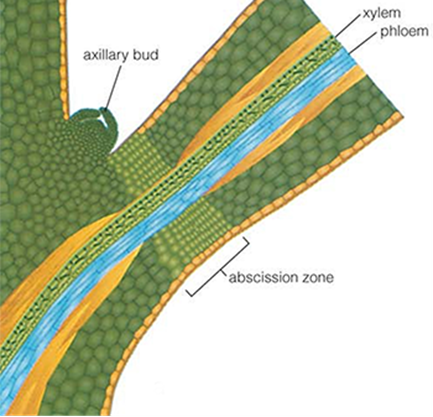
An abscission layer is a specialized zone of cells where a plant part can separate from the plant. In mango fruit drop, changes at the fruit attachment allow flowers or fruitlets to detach as part of normal development or in response to stress. Some early drop is expected because the tree cannot mature every flower into fruit. Excessive losses need context: crop stage, pollination, disease, water supply, and weather may all matter. The existence of an abscission zone does not identify a single cause of drop.
Anthesis is the period when a flower opens and functions in reproduction. A mango panicle contains many flowers that do not all open at exactly the same moment, so a flowering tree can present a changing mixture of buds, open flowers, and spent flowers. Weather and insect activity during this period can affect successful pollination. The term helps growers describe observations precisely without confusing first panicle emergence with the actual opening and reproductive activity of individual flowers.
Beneficial insects provide services such as pollination, predation, or parasitism of pests. Mango flower visitors and insect natural enemies can support production, but a helpful insect may resemble a pest at a glance. Preserve useful habitat where appropriate and assess the need for treatment before spraying active flowers. Beneficial does not mean that one purchased insect will solve every problem; species, timing, food supply, and environmental conditions determine whether a natural enemy can contribute effectively.
Fertilization in plant reproduction is the union of reproductive cells following successful pollen-tube growth. It differs from fertilizing a tree with nutrients, even though everyday language uses similar words. In mangoes it leads to development of a sexually produced embryo and supports normal seed and fruit development. Pollination can occur without successful fertilization, and a fertilized flower can still lose its fruitlet later. Consider these separate stages when asking why a heavily flowering tree did not produce a crop.
Fruit set is the transition from flowers to developing fruitlets. In mangoes, initial set is only the beginning of the crop: many small fruitlets are subsequently shed before harvest. Flower disease, weather, pollination, fertilization, and the tree's resources can all affect the process. Record when fruitlets appear and when losses occur, because a tree that never sets fruit presents a different problem from one that sets well but later drops developing mangoes.
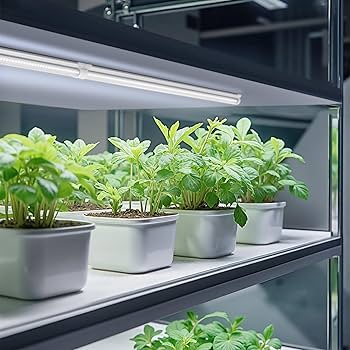
A grow light supplies artificial light for plant growth when daylight is inadequate. For container mangoes kept indoors during cold weather, useful performance depends on the light reaching the leaves, coverage, daily operating time, and distance from foliage, not just the lamp's advertised wattage. Increase exposure gradually and monitor heat and leaf response. Supplementary light can maintain a tree through winter, but it does not automatically provide the space, pollination, and environmental conditions needed for a dependable indoor crop.
Related products: grow lights
A pollen tube is the structure that grows from a germinating pollen grain toward the ovule, carrying the male reproductive cells. It is part of the process between pollination and fertilization in mango flowers. Suitable pollen placement is therefore only an early step, not proof that a seed and fruit will develop. Temperature, compatibility, and flower condition can influence success. This concept helps explain why a tree can have abundant insect visits yet retain only a small share of its flowers as fruit.
The stigma is the receptive surface of a flower's female reproductive structure where pollen can land and begin the process leading to fertilization. In a mango's bisexual flower, its condition and receptivity are part of successful reproduction. Seeing pollen on a flower does not prove that a compatible pollen tube has reached an ovule. The term is useful when understanding pollination, but ordinary growers usually gain more from protecting flower health and insect visitors than from attempting to inspect every tiny stigma.
A zygotic seedling develops from an embryo formed through fertilization of an egg by pollen. It combines genetic contributions from the parents and can differ from the mother tree even after self-pollination. Mango seeds may produce such a seedling, while polyembryonic seeds can also contain nucellar embryos arising from maternal tissue. The distinction matters for breeding and identity: a seedling grown from a named mango cannot automatically be sold or recorded as that same cultivar.