A root is a plant organ that anchors the tree, absorbs water and dissolved nutrients, and stores reserves. Mango roots include larger structural roots and finer absorbing roots, whose distribution changes with soil depth, drainage, irrigation, and obstacles. Roots need oxygen as well as moisture, so saturated soil can leave a tree wilted even when water is abundant. Protect the root zone from compaction, trenching, and fertilizer buildup rather than assuming all growth problems begin in the leaves.
Root bound describes a container plant whose roots have become crowded, often circling the pot or forming a dense outer mass. A tall mango in a small container may have this problem even when its leaves look healthy. Root arrangement can affect later establishment and stability, so inspect nursery stock before buying. Repotting is not just placing the intact dense mass in more wet medium; handling decisions should account for root condition without causing unnecessary damage to a sensitive young tree.
The root flare is the transition near the base of a tree where the trunk broadens into major roots. Recognizing it helps avoid planting a mango too deeply or piling mulch against the trunk. Nursery media can hide the original position, so inspect the tree rather than assuming the top of the pot always marks the correct ground level. A visible graft union is a different feature, usually higher on the stem, and should not be mistaken for the root flare.
Root pruning is the deliberate cutting of roots to alter a plant's root system or fit it into a managed container. For mango, it can also create significant stress, reduce water uptake, and compromise stability if structural roots are damaged. It should not be presented as a routine or universally safe method of forcing flowering. Container work requires particular care with timing and aftercare; cutting roots of a large landscape tree warrants specialist advice rather than experimentation near the trunk.

Rooting is the formation and development of roots. The word can describe a germinating mango seed, new roots after transplanting, or attempts to propagate a cutting, but those are different processes with different success rates. Mango is commonly multiplied by grafting onto seedling rootstocks because ordinary cuttings are not reliably easy to root. New leaf growth alone is not proof that a detached cutting has a working root system. Evaluate roots and sustained growth before treating it as established.
A rootstock is the rooted plant onto which a scion is grafted. In mango production it is commonly a seedling selected for suitability as a nursery and orchard foundation. It can influence vigor and responses to growing conditions, but it does not turn the scion into a different cultivar or make a mango frost-proof. Record the rootstock where known, keep the union above the soil, and remove unwanted rootstock shoots that could outgrow the intended canopy.
Pre-rooting means encouraging roots to begin developing before a cutting is moved to its intended growing container or site. The term occurs in hobby propagation discussions, but mango cuttings are generally less dependable than seedling rootstocks followed by grafting. A swollen bud or fresh leaves do not prove that a cutting has rooted; stored reserves can support temporary growth. Maintain suitable moisture and aeration, avoid claiming guaranteed success, and distinguish this method from germinating a mango seed.
Aeration is the exchange and availability of air within soil or growing medium. Mango roots require oxygen for normal functioning, so a useful mix must balance water retention with air-filled pore space. Adding a coarse component does not guarantee good aeration if fine material fills the gaps or the container stays flooded. Judge the entire root environment, including pot depth, drainage, and watering pattern. Piercing soil around major roots is not automatically a safe way to repair every aeration problem.

Agroforestry is intentional management of trees together with crops, livestock, or other agricultural components on the same land. Mango can be part of such a system, but successful combinations require planning for shade, root competition, water use, access, and changing tree size. A young orchard's inter-row crop may become unsuitable as the canopy closes. The approach can diversify production and provide ecological benefits, but does not automatically increase fruit quality or eliminate pests without attention to the particular planting design.
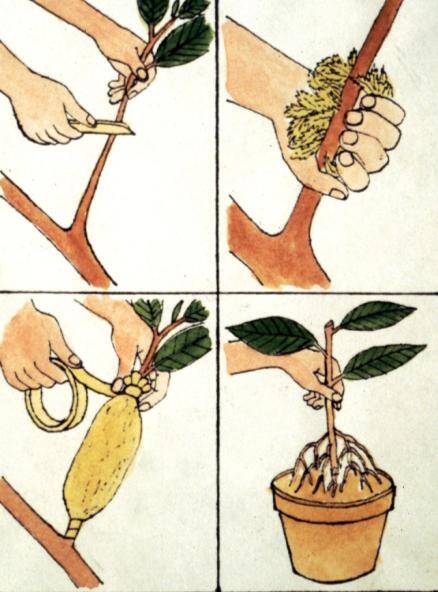
Air layering is encouraging a branch to form roots while it remains attached to the parent plant, commonly by treating a wounded section and enclosing it in moist medium. Although it works well for some fruit species, mango is generally propagated more reliably by grafting onto seedling rootstocks. A layer must develop adequate roots before separation, and roots can be fragile afterward. Do not assume a technique demonstrated on another tropical fruit will give the same success or tree structure on mango.
Related products: air layering tools
Approach grafting joins two plants while each still has its own root system during the early healing period. After a secure connection forms, the unwanted parts are removed in stages to leave the intended scion on the chosen rootstock. This can reduce immediate scion dehydration in mango propagation, but it requires positioning and supporting both plants carefully. The joined stems still need close tissue contact and enough time to heal before either plant is separated.
Cambium is a thin region of actively dividing cells between the inner bark and the wood of a woody stem. During mango grafting, close alignment of living cambial regions helps the scion and rootstock form a functioning connection. Matching outer bark alone may not provide that contact when stems differ in thickness. Clean cuts, secure wrapping, and protection from movement support healing; pushing two cut surfaces together does not guarantee that their living tissues are correctly aligned.
A chelate is a compound in which a metal ion is held by an organic molecule. Certain chelated nutrient products help keep elements such as iron available under conditions where they would otherwise become less soluble. The chelating agent and soil pH matter, so products are not interchangeable simply because their labels say chelated. For a mango with suspected nutrient deficiency, consider root health and test information first; a chelate does not correct flooding, damaged roots, or every cause of yellow foliage.
Chlorosis is yellowing caused by reduced chlorophyll in plant tissue. On mango leaves it can result from nutrient problems, unsuitable root conditions, water stress, disease, or normal aging, depending on the pattern. Record which leaves are affected first and whether veins stay green before choosing a response. The term describes a visible symptom rather than a diagnosis. Applying a broad fertilizer mix to every yellow tree can overlook waterlogged roots or create unnecessary salt accumulation.
A clone is a plant or group of plants produced from one source through asexual reproduction and generally sharing its genotype, apart from possible mutations. Mango grafting preserves the scion as a clone of the selected source rather than creating a new seedling genotype. Clonal identity does not make all trees perform identically: rootstock, soil, climate, health, and management still matter. A clone is also not automatically disease-free, so propagation hygiene and trustworthy source material remain important.
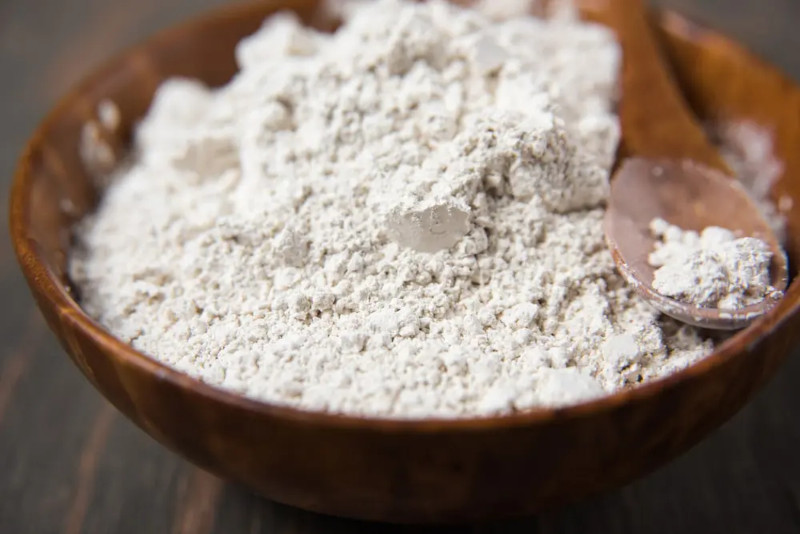
Diatomaceous earth is a powder made from the silica-rich remains of diatoms. In a labeled insect-control product it acts physically on an insect's protective outer layer, promoting water loss, and works best when dry and undisturbed. It is not selective for pests and can expose beneficial insects; dust can also irritate eyes and airways. Do not substitute pool-filter material or assume food-grade labeling authorizes garden pesticide use. For mango pests, identify the insect first and follow an applicable product label rather than dusting flowers routinely.
Related products: available on eBay