Po Pyu Kalay Information
Po Pyu Kalay

https://www.mangodatabase.com/variety-details/54/po-pyu-kalay
Po Pyu Kalay
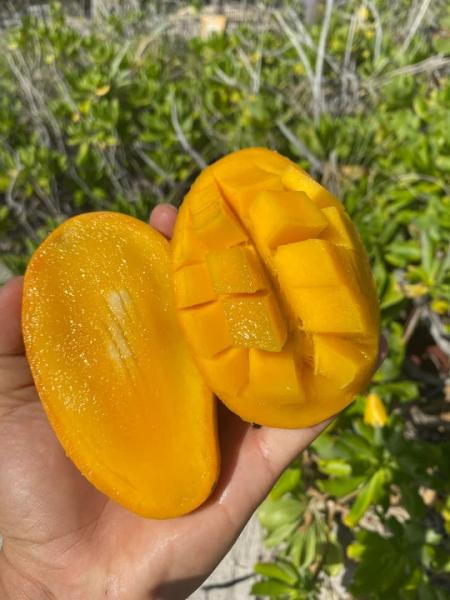
Po Pyu Kalay is a mango cultivar originating in Myanmar, formerly known as Burma, that became particularly important to mango enthusiasts in Florida because of its distinctive citrus-influenced flavor. The cultivar was brought from Myanmar to Florida by noted tropical-fruit enthusiast Maurice Kong, and it subsequently became known commercially as Lemon Meringue, a name credited to Gary Zill. The nickname is remarkably appropriate: the ripe fruit possesses a distinctly lemony aroma and an unusually sweet citrus character that separates it from traditional Indian, West Indian and classic Florida mango flavor profiles. Po Pyu Kalay is also commonly abbreviated PPK, and the alternate spelling Pu Pyi Klai appears in American horticultural literature.
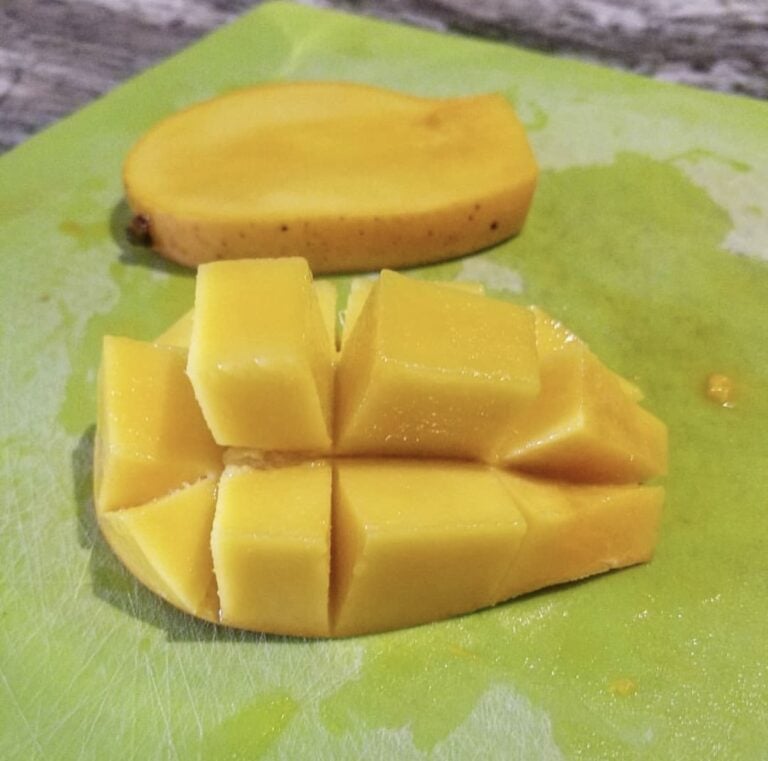
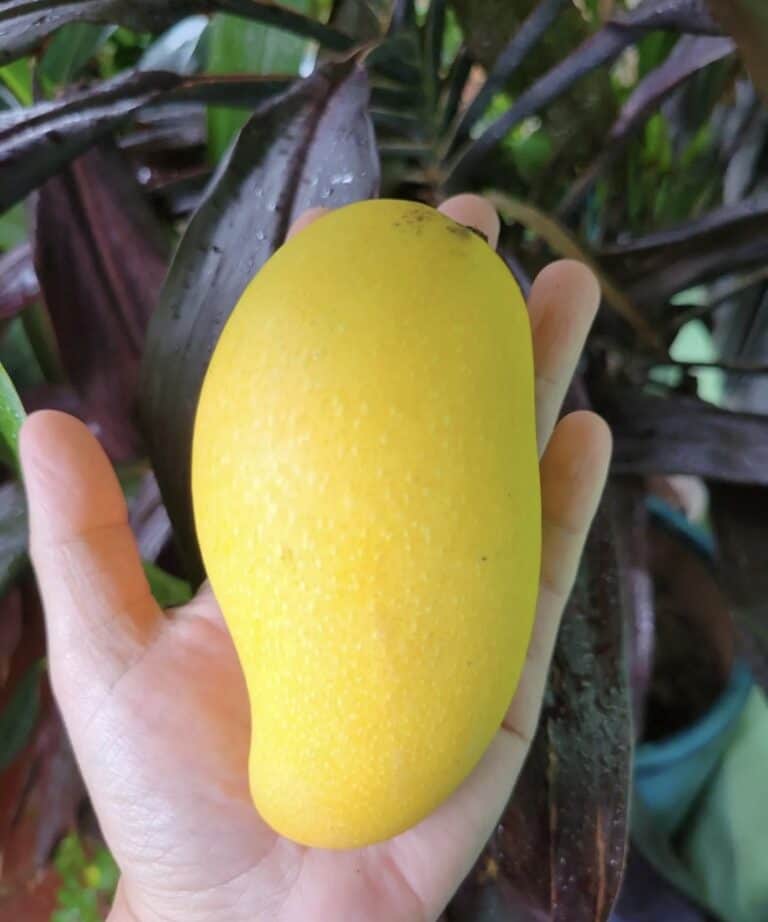
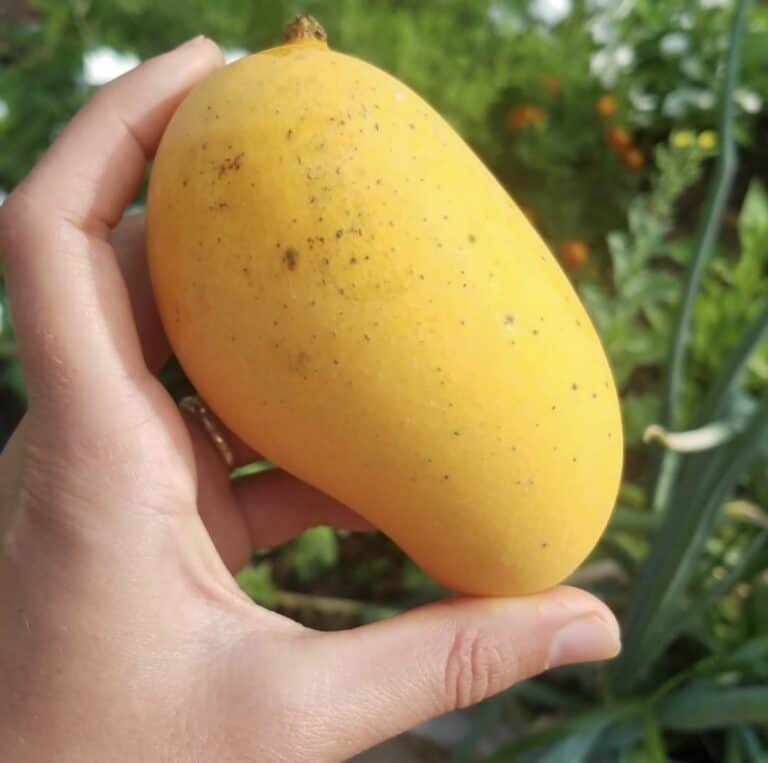
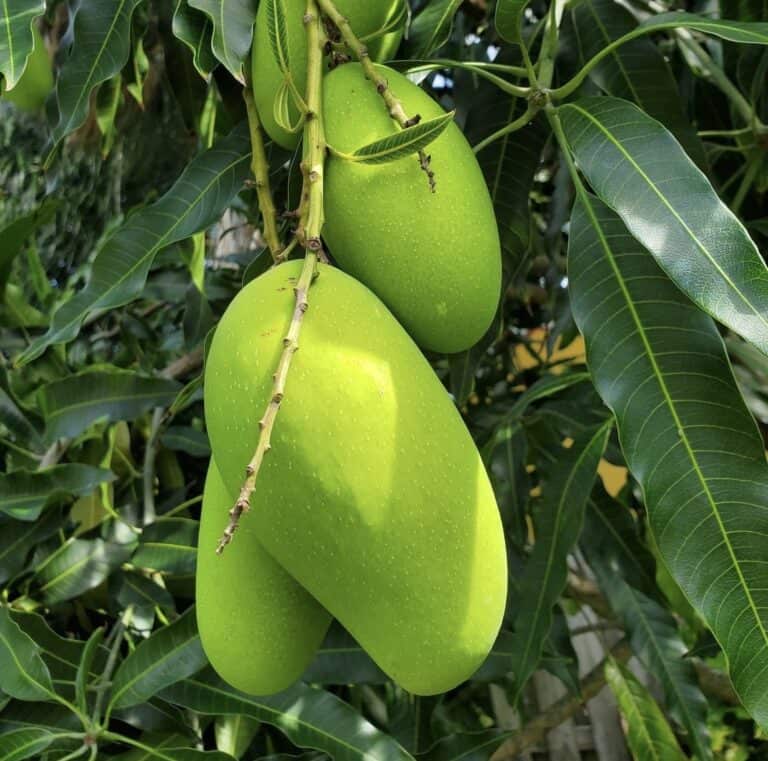
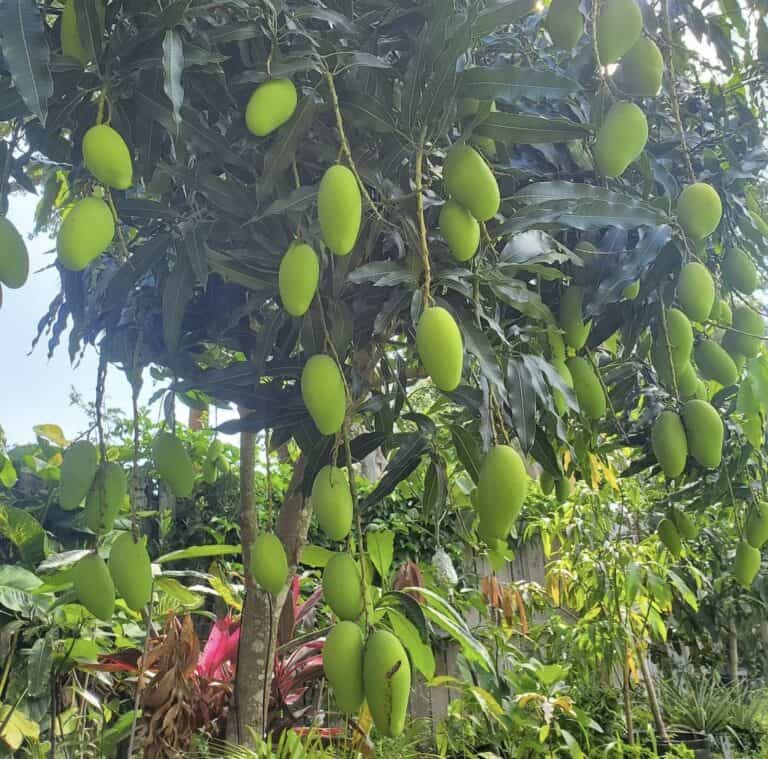
The fruit itself is comparatively small, generally weighing around 8–12 ounces, with an elongated oval-oblong shape and yellow skin at maturity. Inside is yellow, completely fiberless flesh with a creamy, juicy texture. A detailed tasting of an actual PPK fruit weighing about 10.9 ounces described its flavor as syrupy sweet with lemon-citrus and honey characteristics. The seed is relatively small and polyembryonic. The tree is vigorous and upright and is generally considered a good producer. It also possesses useful anthracnose resistance, although bacterial black spot can still affect the fruit, an important distinction for growers in humid climates such as South Florida.
Po Pyu Kalay has also earned an interesting place in modern Florida mango history because its influence extends beyond the original Burmese cultivar. Growers have compared PPK directly with newer citrus-flavored selections such as Lemon Zest, which is reported as a descendant of PPK. That relationship makes Po Pyu Kalay particularly interesting to mango collectors: it is not simply another small yellow mango, but an important older cultivar associated with the development and popularity of the intensely citrus-flavored mangoes now sought after by enthusiasts. Its combination of lemon-like flavor, fiberless flesh, early-season production and Myanmar heritage has allowed the cultivar to remain popular decades after its introduction into Florida.
Maurice Kong did not develop Po Pyu Kalay. The mango originated in Myanmar. Kong is credited with bringing the cultivar to Florida/United States, while Gary Zill later gave it the name Lemon Meringue.

Photo Gallery
Add Your Image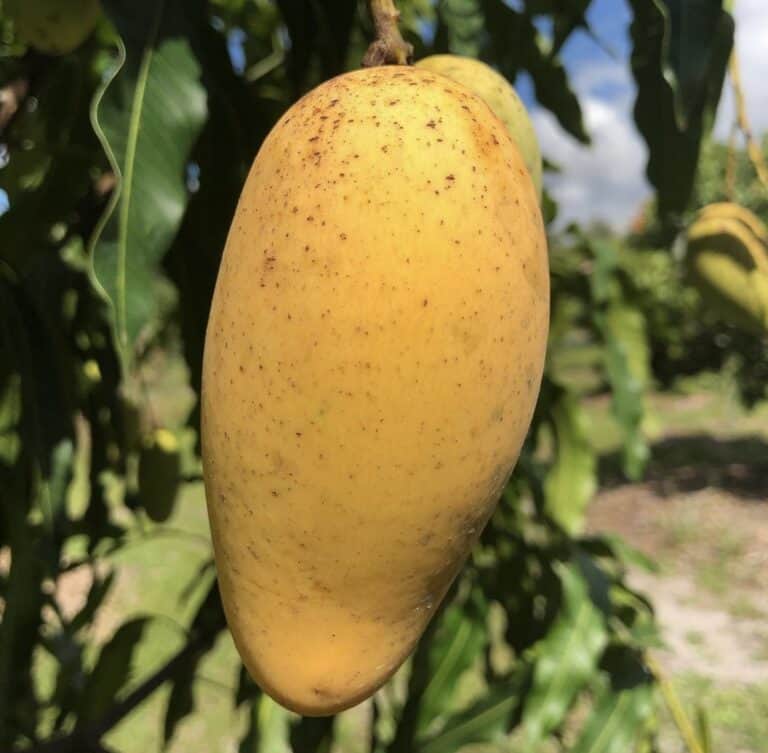
Video Gallery
Mango Review: Lemon Meringue (aka PPK)!
Lemon Meringue (Po Pyu Kalay) Mango
Lemon Meringue Mango- Po Pyu Kalay Mango - Florida Grown Mango Tasting
Truly Tropical Mango Varieties- 'Lemon Meringue' ('Po Pyu Kalay')
Countdown to Mango Season 2024 | 'Lemon Meringue'/ 'Po Pyu Kalay' Mango!
Po Pyu Kalay Mango Tasting - Florida Grown Mango - PPK / Lemon Meringue
Member Descriptions Add Your Description
No Contributions Found
