
This site contains affiliate links for which we may be compensated.

Mango Database
Mangoes in a sunlit tropical orchard

Mango Glossary

Understand the language of mango growing, one term at a time.

Explore Mango Terminology

Browse definitions and growing concepts to expand your mango knowledge.

Showing 1–7 of 35 terms
Graft

Graft

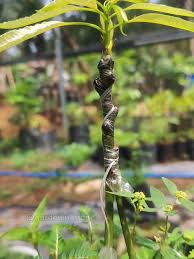
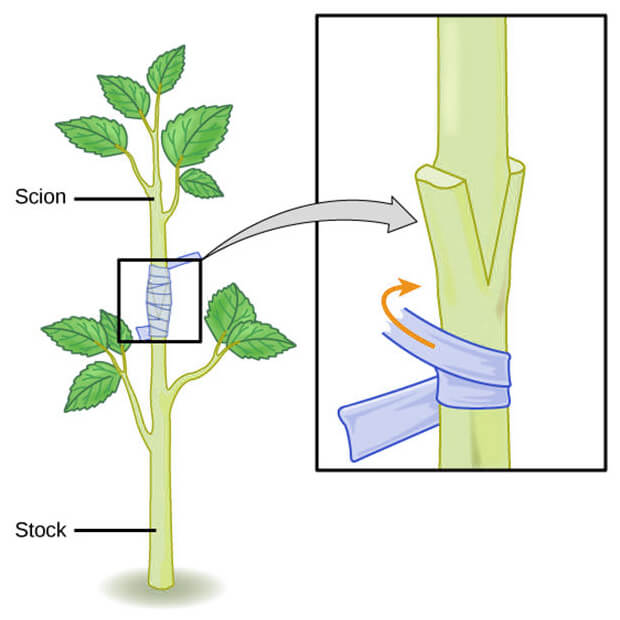
A graft is the union between a scion and a rootstock that allows them to grow as one plant. In mango, the scion supplies the named cultivar's above-ground growth, while the rootstock provides the root system and can influence vigor and adaptation. A graft is not a genetic blending of two varieties. Look for a healed, unconstricted junction when buying a tree, and remove unwanted shoots below it so rootstock growth does not replace the intended cultivar.
Read more about Graft

Graft Compatibility

Graft compatibility is the ability of a scion and rootstock to form and maintain a functioning, durable union. It is different from the initial appearance of callus or bud growth: a join can begin growing yet later develop weakness or poor transport between the parts. For mango propagation, use suitable, healthy material and established combinations where information is available. Compatibility does not mean that the rootstock guarantees dwarfing, disease resistance, or cold tolerance for every scion and location.

Read more about Graft Compatibility
Grafting

Grafting

Grafting is the process of joining living plant parts so their tissues heal together. Mango growers use it to reproduce a selected cultivar on a rootstock instead of relying on genetically variable seedlings. Success depends on compatible material, close contact between cambial regions, suitable growing conditions, and protection from drying and movement. Methods include veneer, cleft, and approach grafting. The best choice depends on stem size and local practice; no method makes unhealthy or mislabeled scion wood reliable.

Read the mango grafting FAQ

Read more about Grafting

Approach Grafting

Approach grafting joins two plants while each still has its own root system during the early healing period. After a secure connection forms, the unwanted parts are removed in stages to leave the intended scion on the chosen rootstock. This can reduce immediate scion dehydration in mango propagation, but it requires positioning and supporting both plants carefully. The joined stems still need close tissue contact and enough time to heal before either plant is separated.

Read more about Approach Grafting

Cleft Grafting

Cleft grafting inserts a wedge-shaped scion into a split at the cut end of a stock or branch. In mango work, matching the living cambial regions along at least one suitable edge is more important than placing a thin scion exactly in the middle of a thick stock. Secure the join and protect exposed surfaces from drying and water entry. A successful technique on one stem size or season should not be treated as a guarantee for every tree.

Read more about Cleft Grafting

Epicotyl Grafting

Epicotyl grafting uses the young stem above the seed leaves of a newly germinated seedling as the grafting stock. It is also called stone grafting in mango nursery practice. The tender stock and attached seed reserves make handling and timing important, and performance depends on local growing conditions and suitable scion material. It is a nursery propagation technique, not a reason to graft onto a damaged sprout or assume every seedling is immediately ready for the procedure.

Read more about Epicotyl Grafting

Veneer Grafting

Veneer grafting joins a prepared scion to a shallow cut along the side of a rootstock stem. It is used in mango propagation because it can provide a useful area of tissue contact without immediately removing the entire rootstock top. Accurate cuts, suitable stem maturity, and prevention of drying are important. The remaining stock growth is managed as the graft establishes. Success rates depend on material, weather, and skill rather than a method name alone.

Read more about Veneer Grafting