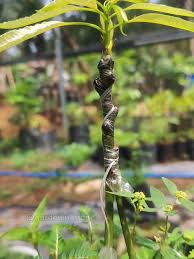
A graft is the union between a scion and a rootstock that allows them to grow as one plant. In mango, the scion supplies the named cultivar's above-ground growth, while the rootstock provides the root system and can influence vigor and adaptation. A graft is not a genetic blending of two varieties. Look for a healed, unconstricted junction when buying a tree, and remove unwanted shoots below it so rootstock growth does not replace the intended cultivar.
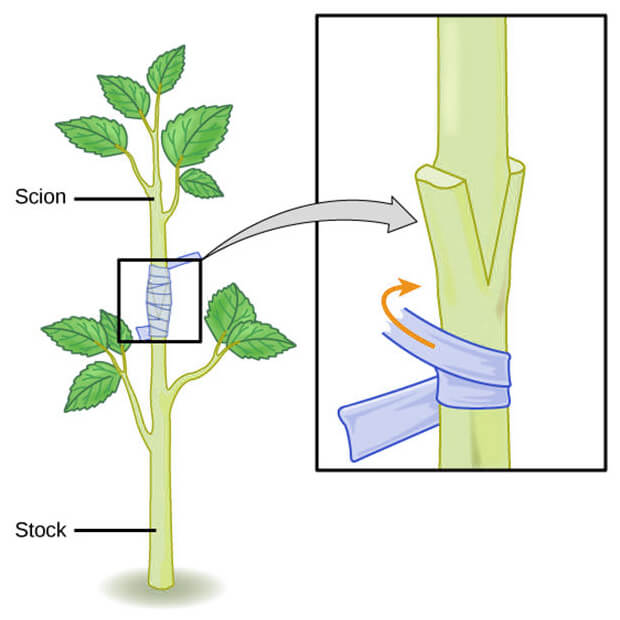
Grafting is the process of joining living plant parts so their tissues heal together. Mango growers use it to reproduce a selected cultivar on a rootstock instead of relying on genetically variable seedlings. Success depends on compatible material, close contact between cambial regions, suitable growing conditions, and protection from drying and movement. Methods include veneer, cleft, and approach grafting. The best choice depends on stem size and local practice; no method makes unhealthy or mislabeled scion wood reliable.
Read the mango grafting FAQ

GRIN stands for Germplasm Resources Information Network, the USDA information system supporting documentation of genetic resources. Plant records can include accession identifiers, taxonomy, collection history, and evaluation information relevant to mango research. It is a reference and collection-management resource, not a guarantee that every cultivar claim found elsewhere is correct or that plant material is available to every requester. Distinguish a documented accession from a commercial nursery name when investigating the identity or history of a mango.

Haji Kalimullah Khan is an Indian horticulturist associated with mango growing in Malihabad, Uttar Pradesh, and widely recognized for maintaining many mango cultivars through grafting. His work illustrates the difference between placing existing cultivars on one tree and breeding a genetically new cultivar from seed. Different grafted branches retain their own identities rather than blending into a new fruit. When discussing his collection, avoid treating changing publicity counts or unusual fruit descriptions as verified botanical measurements without a documented source.
Harvest maturity is the developmental state at which fruit is suitable for picking for its intended use and market. A mango destined to ripen off the tree needs sufficient development, but it may still be firm and not ready to eat. Skin color alone is unreliable across cultivars. Combine relevant local maturity indicators with experience of the tree, and distinguish harvest maturity from eating ripeness when discussing transport, shelf life, or disappointing flavor after picking.
An internode is the length of stem between two neighboring nodes. Mango shoots may have different internode lengths depending on growth conditions, developmental stage, and cultivar. Very stretched growth can signal inadequate light, but internode length alone is not a diagnosis or a reliable variety identifier. When selecting propagation material or describing a tree, examine bud position, shoot maturity, overall vigor, and the conditions in which the shoot developed rather than measuring one segment in isolation.
ISO means In Search Of in grower groups and collector listings. A mango grower using it is requesting a plant, scion, seed, or information rather than offering an item for sale. A useful request specifies the cultivar or trait sought, location, acceptable propagation method, and whether shipping or local pickup is possible. Verify the source of any offered material and applicable plant-health restrictions; responding to an ISO post does not establish that a cultivar label is accurate.
Jelly seed is an internal mango disorder in which flesh near the seed becomes unusually soft or jelly-like. The outer fruit may not reveal the full extent until it is cut. It is distinct from normal even softening at eating ripeness and should not automatically be diagnosed as insect damage. Cultivar susceptibility, maturity, and growing conditions can influence internal breakdown, but one affected fruit does not prove a single nutrient deficiency or justify a universal fertilizer remedy.
Juvenility is the early developmental phase during which a plant has not yet acquired the normal ability to flower. Mango seedlings can spend years in this phase, and their timing is not reliably predicted from height alone. A graft using mature cultivar material generally avoids starting the scion's development from a new seedling embryo, but the resulting tree still needs establishment. Adequate growth and suitable climate matter; applying extra fertilizer cannot guarantee that a juvenile seedling will bear immediately.
King of Fruits is a cultural and promotional title often applied to mangoes to express their popularity, valued flavor, and importance in food traditions. It is not a scientific classification, legal grade, or proof that one cultivar is objectively best. The phrase may appear in festival displays, marketing, and everyday conversation. For useful growing or buying decisions, move beyond the nickname and consider maturity, flavor preference, reliable identity, and the tree's suitability for the local climate.
A landrace is a locally developed crop population shaped by cultivation, selection, and adaptation over time, often retaining genetic variation. It should not automatically be treated as one uniform clone. In mango history and collecting, regional names may sometimes cover diverse seedling material rather than a single verified cultivar. Record the locality and source, and be cautious when assuming every tree sold under a traditional name will have identical fruit, growth habit, or disease response.
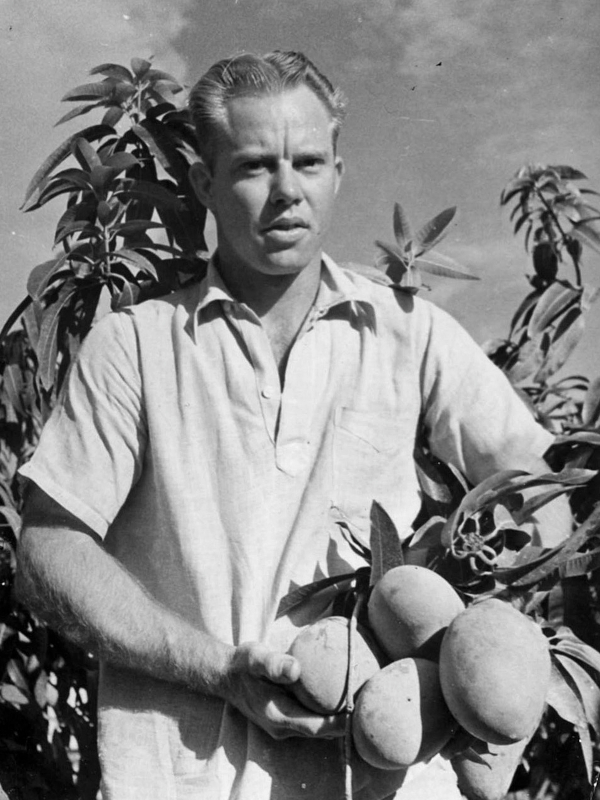
Lawrence Zill, also encountered as Laurence Zill in horticultural accounts, was a South Florida nurseryman associated with mango propagation and the Zill family's growing history. Keeping those name variants together helps readers follow older records. Cultivar histories need particular care: introducing or propagating a mango does not prove that the grower bred it or named it for a relative. Distinguish introductions, seedling selections, and later nursery distribution when researching Florida mango history, because those activities can involve different people and dates.
Mangifera indica is the scientific name of the cultivated mango, a species in the Anacardiaceae family. The genus contains other species, so not every plant called a wild mango is necessarily the same species as ordinary cultivated mangoes. Scientific naming helps separate species identity from cultivar names such as a named selection within the crop. For a collector, recording both the botanical name and the cultivar or accession source makes a plant record more informative than using a common name alone.
A mango auction is a sale in which buyers bid for fruit, plants, or other mango-related items under stated terms. Some auctions emphasize exceptional presentation or rarity, while local events may serve ordinary fundraising or grower exchanges. A headline price is not a reliable estimate of typical market value, flavor, or production cost. When comparing auction reports, check what was sold, the quantity, grading, and purpose of the event rather than treating a promotional sale as a universal price for that cultivar.
A mango festival is an event organized around mango fruit, growing, food, or regional culture. Activities may include tastings, cultivar displays, nursery sales, demonstrations, and grower talks. Such events offer a useful opportunity to compare properly identified fruit, but a tasting sample represents one batch at one ripeness stage rather than every tree of a cultivar. Record names and sources carefully when purchasing plants, and keep ordinary plant-health and transport rules in mind even when material is bought at a festival.
The mango flowering cycle is the sequence leading from suitable mature shoots through flower initiation, panicle emergence, bloom, and early fruit development. Timing responds to climate, shoot age, cultivar, and tree condition, so the same calendar is not valid worldwide. A shoot that is still actively producing leaves may not be ready to flower when nearby mature shoots do. Record local patterns over several seasons and consider pruning and growth timing rather than trying to trigger flowering with one universal treatment.