
This site contains affiliate links for which we may be compensated.

Mango Database
Mangoes in a sunlit tropical orchard

Mango Glossary

Understand the language of mango growing, one term at a time.

Explore Mango Terminology

Browse definitions and growing concepts to expand your mango knowledge.

Showing 1–4 of 4 terms
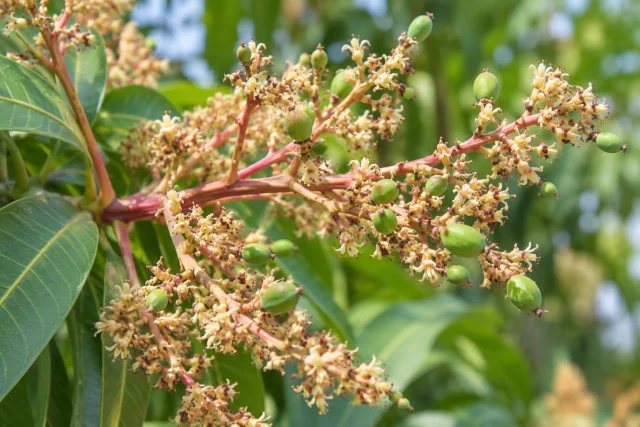
Fruit Set (generated editorial illustration)

Fruit Set

Fruit set is the transition from flowers to developing fruitlets. In mangoes, initial set is only the beginning of the crop: many small fruitlets are subsequently shed before harvest. Flower disease, weather, pollination, fertilization, and the tree's resources can all affect the process. Record when fruitlets appear and when losses occur, because a tree that never sets fruit presents a different problem from one that sets well but later drops developing mangoes.

Read more about Fruit Set

Leaf Hopper

Leaf hopper is a common name for small jumping sap-feeding insects; mango hoppers are particular members of this broader group that can feed on tender growth and flower panicles. Heavy feeding and honeydew can interfere with flowering and fruit set, but species and importance vary by region. Examine insects and fresh damage rather than assuming every small winged visitor is a pest. Pollinating flies and other useful visitors also occur on mango flowers and should not be targeted indiscriminately.

Read more about Leaf Hopper

Phenology

Phenology is the study and recording of recurring biological stages in relation to environmental conditions. For a mango grower, useful stages include flushing, shoot rest, panicle emergence, bloom, fruit set, and harvest. A local record can show why an apparently sensible pruning or irrigation schedule produced a different result in another season. Dates alone are less informative than dates paired with weather, tree condition, and observations of the actual developmental stage.

Read more about Phenology

Powdery Mildew

Powdery mildew is a fungal disease that can produce whitish growth on susceptible mango flowers, young fruit, and other tissues. Flower infection can reduce fruit set even if the rest of the tree looks vigorous. It is different from sooty mold, which grows on insect honeydew, and should not be diagnosed solely from a distant photograph. Monitor emerging panicles, compare symptoms carefully, and seek locally appropriate guidance before using a product, especially where pollinators are visiting flowers.

Read more about Powdery Mildew