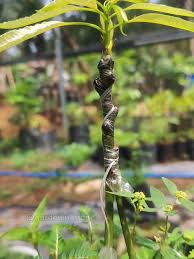
A graft is the union between a scion and a rootstock that allows them to grow as one plant. In mango, the scion supplies the named cultivar's above-ground growth, while the rootstock provides the root system and can influence vigor and adaptation. A graft is not a genetic blending of two varieties. Look for a healed, unconstricted junction when buying a tree, and remove unwanted shoots below it so rootstock growth does not replace the intended cultivar.
Graft compatibility is the ability of a scion and rootstock to form and maintain a functioning, durable union. It is different from the initial appearance of callus or bud growth: a join can begin growing yet later develop weakness or poor transport between the parts. For mango propagation, use suitable, healthy material and established combinations where information is available. Compatibility does not mean that the rootstock guarantees dwarfing, disease resistance, or cold tolerance for every scion and location.
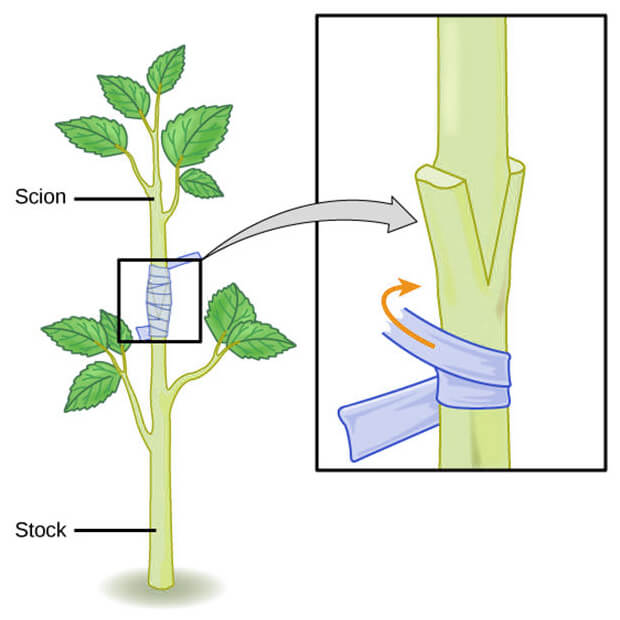
Grafting is the process of joining living plant parts so their tissues heal together. Mango growers use it to reproduce a selected cultivar on a rootstock instead of relying on genetically variable seedlings. Success depends on compatible material, close contact between cambial regions, suitable growing conditions, and protection from drying and movement. Methods include veneer, cleft, and approach grafting. The best choice depends on stem size and local practice; no method makes unhealthy or mislabeled scion wood reliable.
Read the mango grafting FAQ