
This site contains affiliate links for which we may be compensated.

Mango Database
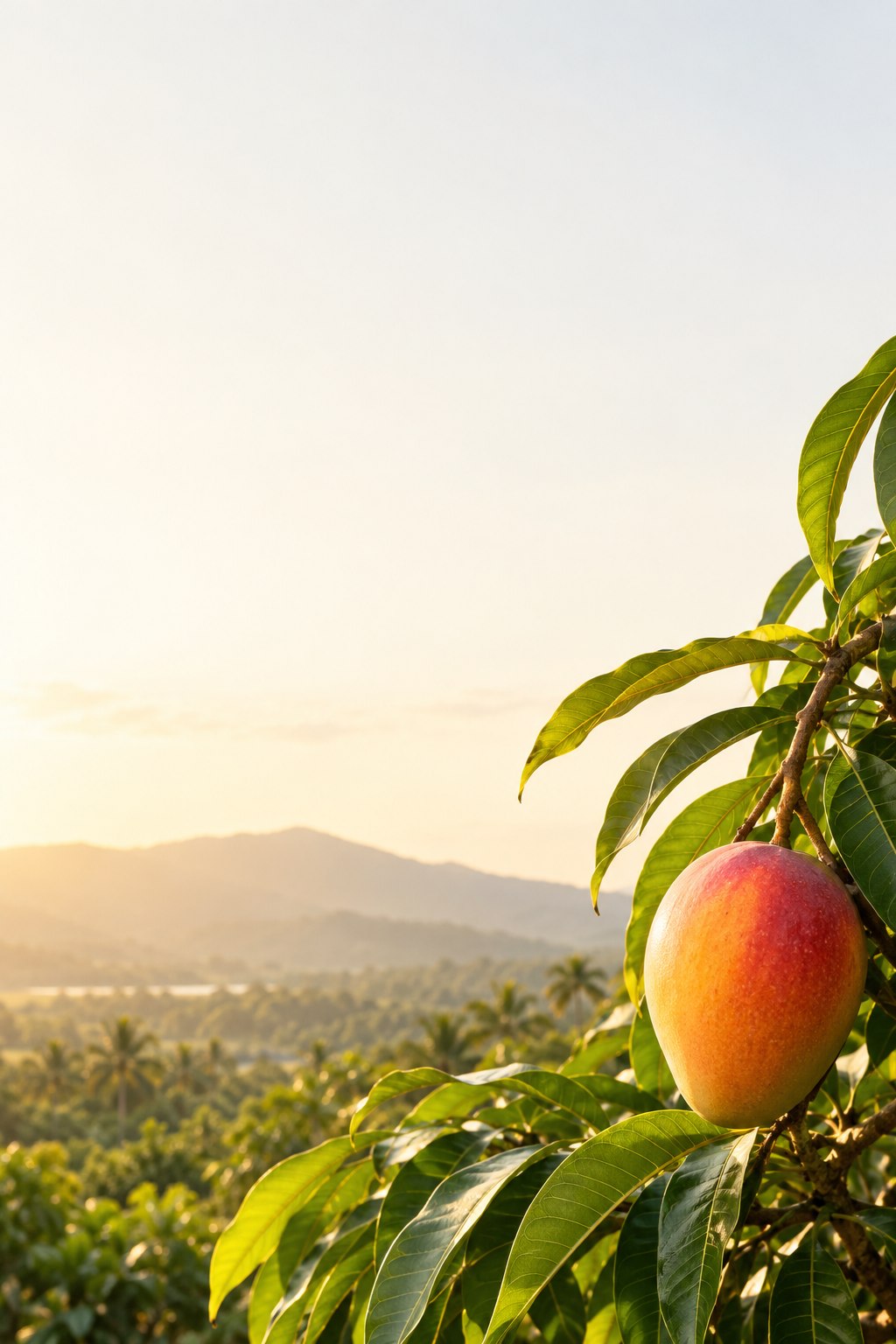
Mangoes in a sunlit tropical orchard

Mango Glossary

Understand the language of mango growing, one term at a time.

Explore Mango Terminology

Browse definitions and growing concepts to expand your mango knowledge.

Showing 1–3 of 3 terms

Stigma

The stigma is the receptive surface of a flower's female reproductive structure where pollen can land and begin the process leading to fertilization. In a mango's bisexual flower, its condition and receptivity are part of successful reproduction. Seeing pollen on a flower does not prove that a compatible pollen tube has reached an ovule. The term is useful when understanding pollination, but ordinary growers usually gain more from protecting flower health and insect visitors than from attempting to inspect every tiny stigma.

Read more about Stigma

Anther

An anther is the pollen-producing part of a flower's stamen. Mango flowers produce pollen that can be carried to receptive stigmas, often by insect visitors. The timing of pollen release and the conditions around the flowers affect whether that pollen contributes to fruit formation. Anthers are not seeds or miniature fruit, and a mass of fallen flower parts does not necessarily indicate a failed crop. Distinguish normal spent flowers from diseased panicles and lost developing fruitlets.

Read more about Anther

Pollination

Pollination is the transfer of pollen to a flower's receptive stigma. Mango panicles bear male flowers and bisexual flowers, and insects such as flies and bees can help move pollen between them. A mango can often set fruit without a second cultivar, but pollination is only one step: fertilization, weather, disease, and the tree's resources also influence retention. Protect useful flower visitors and avoid interpreting every fallen flower as evidence that the tree needs a pollination partner.

Read more about Pollination