

This site contains affiliate links for which we may be compensated.

Mango Database
Mangoes in a sunlit tropical orchard

Mango Glossary

Understand the language of mango growing, one term at a time.

Explore Mango Terminology

Browse definitions and growing concepts to expand your mango knowledge.

Showing 8–11 of 11 terms

Matching Mango Varieties

Chlorosis

Chlorosis is yellowing caused by reduced chlorophyll in plant tissue. On mango leaves it can result from nutrient problems, unsuitable root conditions, water stress, disease, or normal aging, depending on the pattern. Record which leaves are affected first and whether veins stay green before choosing a response. The term describes a visible symptom rather than a diagnosis. Applying a broad fertilizer mix to every yellow tree can overlook waterlogged roots or create unnecessary salt accumulation.

Useful symptom records identify leaf age, distribution within the canopy, and whether discoloration follows veins, margins, or whole leaves. Yellowing limited to older shaded leaves has a different context from a sudden change throughout new growth. These observations help choose the next diagnostic step without assigning a nutrient name prematurely.
Read more about Chlorosis
Cocktail Tree

Cocktail Tree

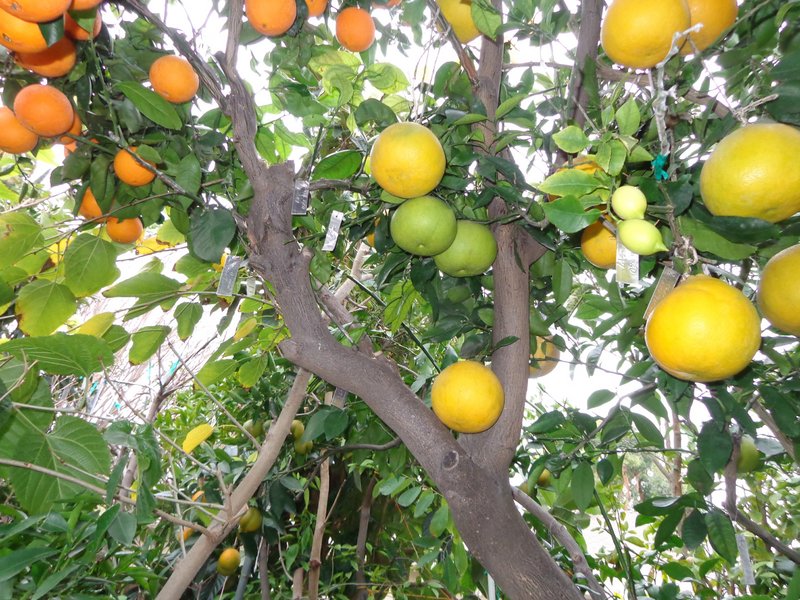
A cocktail tree is a fruit tree carrying more than one grafted cultivar. On a mango cocktail tree, each successfully grafted branch retains its own cultivar identity, offering variety within limited planting space. The arrangement does not guarantee balanced growth: a vigorous branch can shade or overtake weaker grafts, so labeling and selective pruning matter. Different harvest seasons may broaden the picking window where the cultivars perform appropriately, but combining branches does not make an unsuitable climate suitable for mango production.

Each grafted section needs enough space and light to persist. If one cultivar grows much faster, it can shade or physically dominate the others even though all grafts initially succeeded. Keep a branch map and labels, and assess pruning branch by branch instead of treating the tree as a single uniform cultivar.

Read more about Cocktail Tree

Color Break

Color break is the beginning of a noticeable color change as a fruit develops or ripens. On mango, the location and meaning of that change vary with cultivar and growing conditions. A shift in background color can be more informative than a sun-induced blush, but neither provides a universal test. Use color alongside fruit fullness, firmness, and known cultivar behavior, and avoid labeling all green-skinned mangoes immature or all red ones ready to eat.

Color change should be described by location and sequence. A small yellow area near one part of the peel, an overall shift in background color, and a preexisting red blush are different observations. Photographs taken with consistent lighting help record development without turning a change in camera exposure into an apparent ripening event.

Further reading: UC Davis: Mango Produce Facts.

Read more about Color Break

Cuticle

The cuticle is a protective, wax-containing layer covering the outer surfaces of many aboveground plant organs. On mango leaves and fruit it helps limit uncontrolled water loss and separates living tissues from their environment. Its properties change as organs develop. Rough handling or abrasion can damage the fruit surface without immediately producing a deep wound. A naturally waxy appearance is not evidence that a mango received a particular treatment, and surface shine alone says little about eating quality.

The cuticle is a surface barrier with a physical condition that can change through development and handling. It is distinct from a coating deliberately applied after harvest. When describing mango peel, separate natural surface appearance from documented treatments, and avoid assuming that a glossy fruit has received wax simply because it reflects light.

Further reading: Oregon State University: Botany Basics.

Read more about Cuticle