This site contains affiliate links for which we may be compensated.

Mango Database
Mangoes in a sunlit tropical orchard

Mango Glossary

Understand the language of mango growing, one term at a time.

Explore Mango Terminology

Browse definitions and growing concepts to expand your mango knowledge.

Showing 15–21 of 91 terms

Matching Mango Varieties

Adaxial

Adaxial describes the surface facing toward an organ's axis; for a typical leaf, it is the upper surface. It is paired with abaxial, the underside, in botanical descriptions. Upper and lower mango leaf surfaces can differ in appearance and in the visibility of damage. Photograph both when asking for help, and keep lighting consistent so that reflections from a glossy upper surface are not mistaken for pale lesions or a coating on the leaf.

Adaxial and abaxial are anatomical orientations, not descriptions of which surface happens to face the sun at the moment. Leaves can change angle as they develop or move in wind. A labeled pair of photographs is therefore more useful than calling one image the sunny side without identifying the actual surface.

Further reading: Oregon State University: Vegetative Plant Parts.
Read more about Adaxial
Agroforestry

Agroforestry

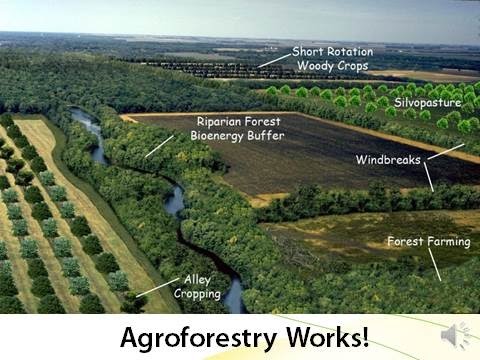
Agroforestry is intentional management of trees together with crops, livestock, or other agricultural components on the same land. Mango can be part of such a system, but successful combinations require planning for shade, root competition, water use, access, and changing tree size. A young orchard's inter-row crop may become unsuitable as the canopy closes. The approach can diversify production and provide ecological benefits, but does not automatically increase fruit quality or eliminate pests without attention to the particular planting design.

The compatibility of trees, crops, and other farm activities depends on their spatial and seasonal arrangement. Shade, access, water demand, and root competition all affect an integrated mango planting. A diverse-looking photograph is not enough to demonstrate a successful system; describe the participating components and the management objectives behind their arrangement.

Read more about Agroforestry

Algal Leaf Spot

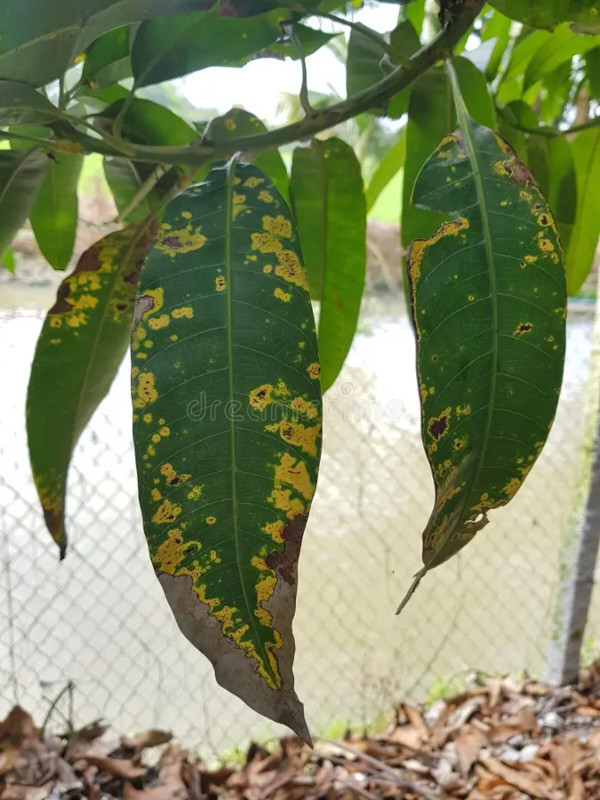
Algal leaf spot is a plant disease associated with parasitic algae such as Cephaleuros species. On mango foliage, affected areas may appear as raised or textured spots with rusty or orange coloration, though appearance changes with age and conditions. It is not the same as an insect infestation or every brown leaf patch. Tree vigor, moisture conditions, and accurate identification matter when deciding whether management is needed. A few old spots do not automatically justify broad chemical treatment.

Surface texture, the age of a spot, and the condition of nearby tissue contribute to identification. A photograph taken in strong reflected light can obscure these details. Include both leaf surfaces and an overall shoot view, and compare newer and older lesions before attributing a rusty patch to one organism.

Read more about Algal Leaf Spot

Anthocyanins

Anthocyanins are water-soluble pigments that can produce red, purple, or bluish coloration in plant tissues. They contribute to the red appearance of some mango peel and young foliage, alongside other pigments and environmental influences. A red mango is not necessarily sweeter or more mature than a green-skinned one. When comparing fruit photographs, record the cultivar and stage of maturity if known, because lighting and sun exposure can also change how strongly a blush appears.

Pigment appearance changes with tissue, concentration, and surrounding chemistry, and photographs introduce additional variation through lighting and exposure. Describe the actual color and organ rather than inferring a measured pigment amount. In cultivar comparisons, distinguish a young leaf's temporary red coloration from the appearance of its mature foliage.

Further reading: Mango fruit composition: research review.

Read more about Anthocyanins

Appressorium

An appressorium is a specialized fungal structure that helps certain fungi attach to and penetrate a host surface. It is relevant to understanding infection processes in anthracnose-causing fungi, but it cannot normally be identified from an ordinary photograph of a mango spot. Its formation and activity depend on the organism and conditions. Use the term when explaining a disease process, while keeping a suspected anthracnose diagnosis separate from laboratory confirmation of the pathogen.

A fungal spore and an appressorium are different structures within an infection process. The spore can germinate and produce a structure adapted to host contact and penetration. Understanding that sequence helps explain why the presence of spores on a surface and an established infection within living tissue are not the same observation.

Further reading: Pacific Northwest Plant Disease Handbook: Glossary.

Read more about Appressorium
Bacterial Black Spot

Bacterial Black Spot

Bacterial black spot is a mango disease associated with Xanthomonas citri pv. mangiferaeindicae, which has also appeared under older scientific names. It can produce dark lesions on leaves, fruit, and young stems, sometimes with cracking or raised margins. Symptoms may overlap with fungal spots and physical damage, so diagnosis matters. Clean propagation material, reduced injury, sanitation, and locally appropriate management help limit spread. Do not infer that every black spot is bacterial or apply a treatment based only on color.

Disease descriptions should distinguish water-soaked lesions, cracking, and tissue death from insect scars or mechanical wounds. Wind-driven injury and moisture can influence the opportunity for infection, but neither identifies the bacterium. Preserve information about when symptoms began and which organs were affected when submitting material for diagnosis.

Read more about Bacterial Black Spot

Bicarbonate Alkalinity

Bicarbonate alkalinity is the acid-neutralizing capacity associated with bicarbonate in water. It is different from pH, which describes the water's current acid-base condition rather than its reserve capacity to resist change. Repeated irrigation with alkaline water can influence root-zone chemistry and equipment deposits. Mango growers evaluating persistent nutritional problems should consider water analysis alongside soil testing; water that looks clear and has an acceptable-looking pH can still have management-relevant alkalinity.

Two irrigation waters can have similar pH but different amounts of bicarbonate available to neutralize added acid. That distinction influences interpretation of treatment needs. Request the relevant laboratory measurement rather than estimating alkalinity from taste, clarity, or one pH reading, and consider repeated applications over time when evaluating the root environment.

Further reading: Colorado State University: Irrigation Water Quality.

Read more about Bicarbonate Alkalinity