This site contains affiliate links for which we may be compensated.

Mango Database
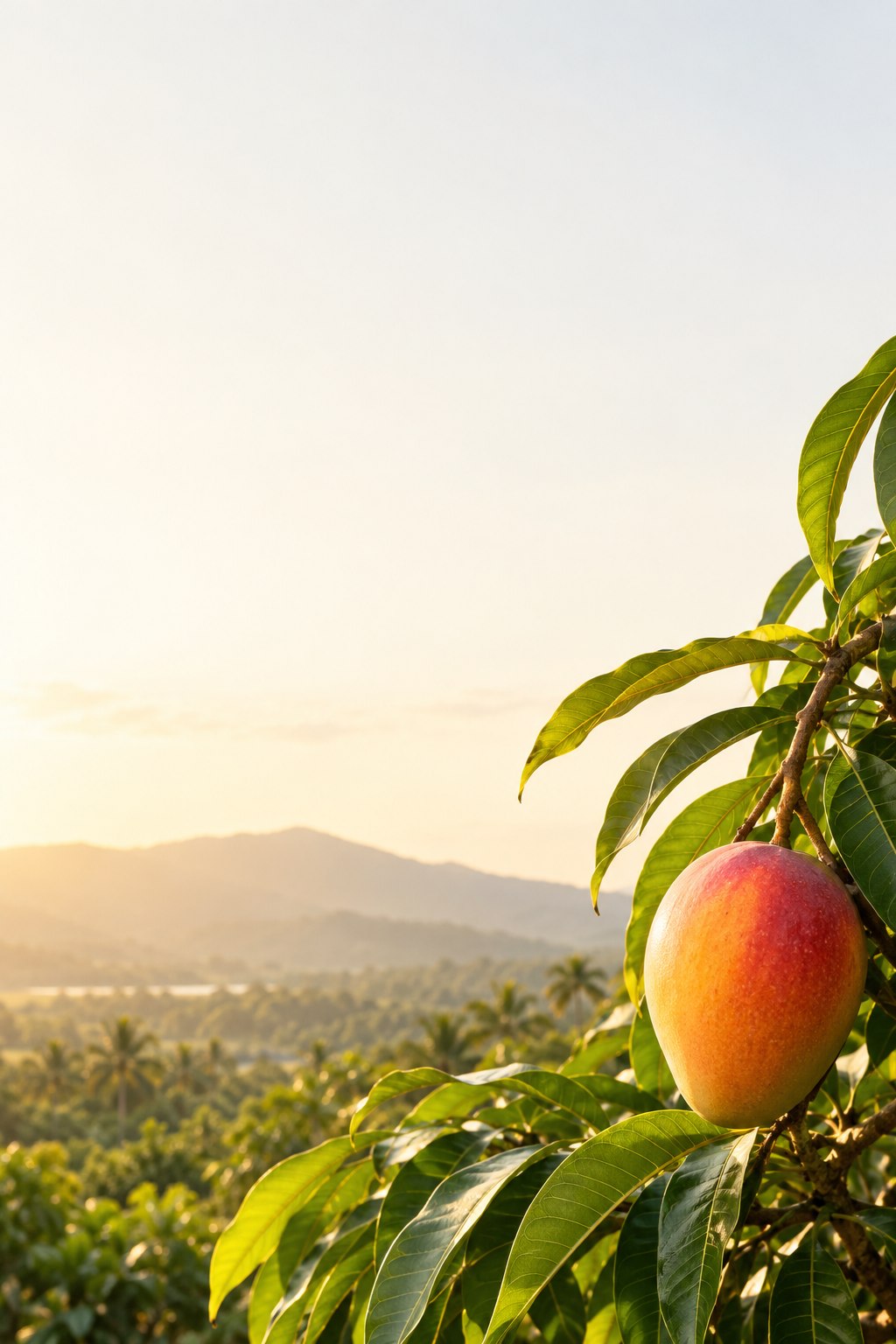
Mangoes in a sunlit tropical orchard

Mango Glossary

Understand the language of mango growing, one term at a time.

Explore Mango Terminology

Browse definitions and growing concepts to expand your mango knowledge.

Showing 1–7 of 11 terms

ISO

ISO means In Search Of in grower groups and collector listings. A mango grower using it is requesting a plant, scion, seed, or information rather than offering an item for sale. A useful request specifies the cultivar or trait sought, location, acceptable propagation method, and whether shipping or local pickup is possible. Verify the source of any offered material and applicable plant-health restrictions; responding to an ISO post does not establish that a cultivar label is accurate.
Read more about ISO

Physiological Disorder

A physiological disorder is an abnormal plant or fruit condition arising from developmental or environmental processes rather than an infectious pathogen. Mango internal breakdown, chilling injury, and some nutrient-related problems fall within this broad category. The distinction matters because a fungicide cannot correct every blemish or internal defect. Different causes can produce overlapping appearances, and damaged tissue may later decay. Examine timing, handling history, and representative fruit before assigning a cause or recommending a treatment.

Read more about Physiological Disorder
Brix Level

Brix Level

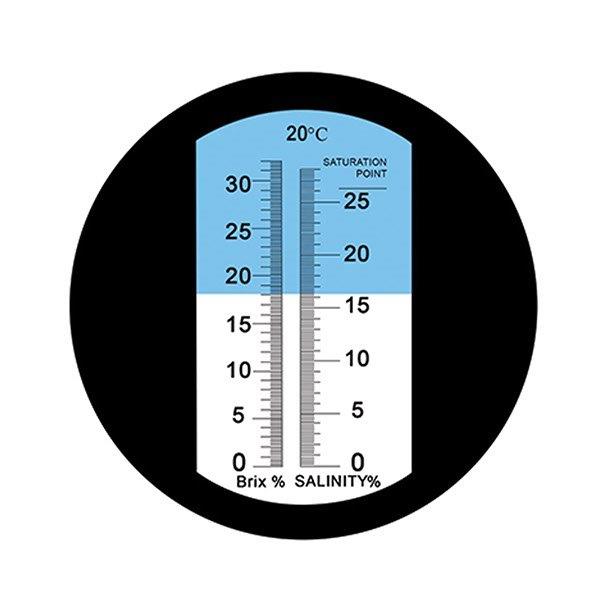
Brix level is a reading used to estimate soluble solids in juice, commonly measured with a refractometer. In mango juice, sugars account for much of the reading, but acids and other dissolved substances also contribute, so it is not an exact laboratory sugar percentage for every sample. Ripeness, sampling location, and instrument calibration affect comparisons. A high reading does not describe all of eating quality: aroma, acidity, fiber, and personal preference still matter when comparing mangoes.

Related products: brix tool

Read more about Brix Level
Carbon Sequestration

Carbon Sequestration

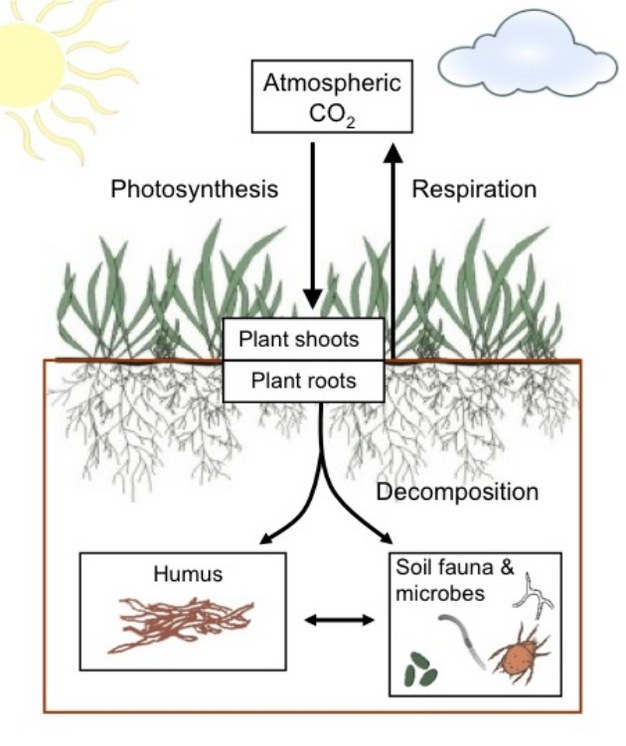
Carbon sequestration is capture and storage of carbon in a longer-lived pool such as woody biomass or soil organic matter. Mango trees incorporate atmospheric carbon into their tissues as they grow, and management influences whether stored carbon persists or returns to the atmosphere. Net climate effects also depend on land-use history, inputs, transport, and eventual tree removal. Planting a mango is therefore not a measured carbon offset by itself; credible comparisons require a defined baseline and accounting period.

Read more about Carbon Sequestration
Internode (generated editorial illustration)

Internode

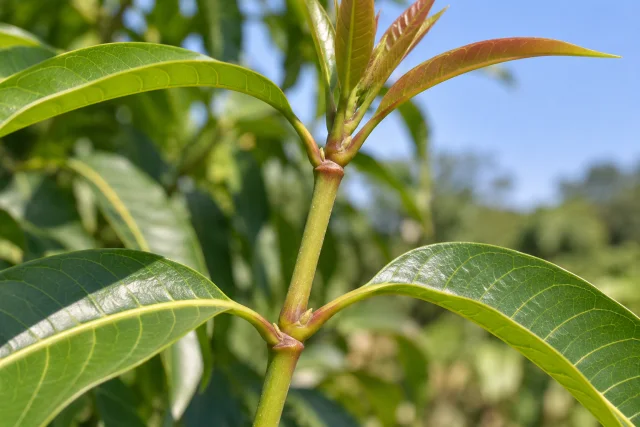
An internode is the length of stem between two neighboring nodes. Mango shoots may have different internode lengths depending on growth conditions, developmental stage, and cultivar. Very stretched growth can signal inadequate light, but internode length alone is not a diagnosis or a reliable variety identifier. When selecting propagation material or describing a tree, examine bud position, shoot maturity, overall vigor, and the conditions in which the shoot developed rather than measuring one segment in isolation.

Read more about Internode

Jelly Seed

Jelly seed is an internal mango disorder in which flesh near the seed becomes unusually soft or jelly-like. The outer fruit may not reveal the full extent until it is cut. It is distinct from normal even softening at eating ripeness and should not automatically be diagnosed as insect damage. Cultivar susceptibility, maturity, and growing conditions can influence internal breakdown, but one affected fruit does not prove a single nutrient deficiency or justify a universal fertilizer remedy.

Read more about Jelly Seed
PITA

PITA

PITA is informal slang meaning Pain In The Ass or Pain In The Arse. Growers use it to express frustration with a difficult pest, maintenance job, or growing problem; it is not a diagnosis or a recognized mango disorder. When reading advice, separate that expression from evidence about the actual problem. Useful descriptions identify the symptom, affected plant part, timing, and growing conditions, because a colorful label alone cannot tell a grower what action is appropriate.

Read more about PITA