This site contains affiliate links for which we may be compensated.

Mango Database
Mangoes in a sunlit tropical orchard

Mango Glossary

Understand the language of mango growing, one term at a time.

Explore Mango Terminology

Browse definitions and growing concepts to expand your mango knowledge.

Showing 1–7 of 9 terms

Approach Grafting

Approach grafting joins two plants while each still has its own root system during the early healing period. After a secure connection forms, the unwanted parts are removed in stages to leave the intended scion on the chosen rootstock. This can reduce immediate scion dehydration in mango propagation, but it requires positioning and supporting both plants carefully. The joined stems still need close tissue contact and enough time to heal before either plant is separated.

Keeping both partners attached to their own roots during early union development changes the moisture risk compared with using a detached scion. Separation is a later step, after sufficient connection has formed. Labels should distinguish the temporary two-root arrangement from the intended finished tree and identify which partner will supply the permanent root system.
Read more about Approach Grafting
Aamras

Aamras

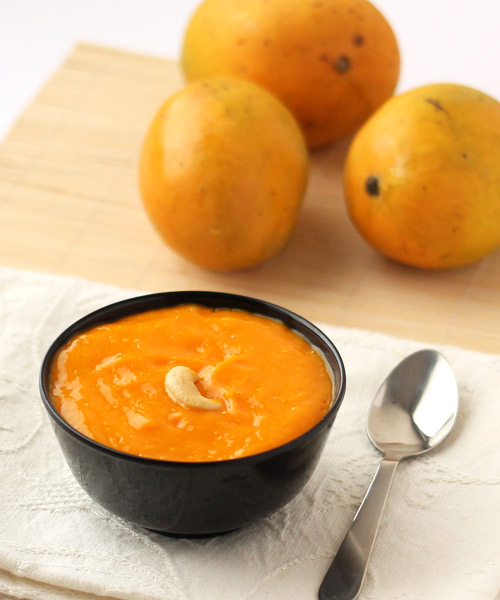
Aamras is a preparation of ripe mango pulp associated with western Indian food traditions, particularly in Maharashtra and Gujarat. It is commonly eaten with breads such as puri or served as a sweet accompaniment, with seasoning and added ingredients varying by household and region. It illustrates that mango eating quality includes how fruit performs in food, not only a fresh-fruit tasting score. Use ripe, sound fruit and clean preparation methods; pulp still requires appropriate food handling and storage after preparation.

The dish's texture can depend on the mango flesh and whether fibers are strained out. Culinary descriptions should distinguish the traditional preparation being discussed from a particular household adaptation. A photograph of a smooth puree does not identify the cultivar used, and a recipe should not imply that its proportions were personally tested unless they were.

Read more about Aamras
Abscission Layer

Abscission Layer

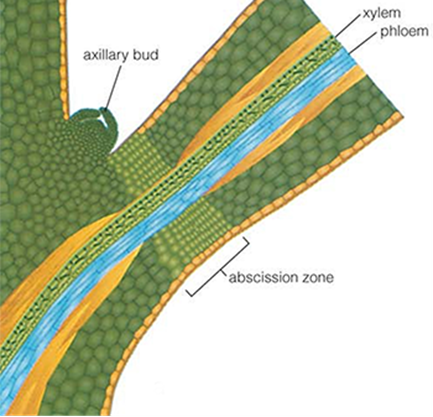
An abscission layer is a specialized zone of cells where a plant part can separate from the plant. In mango fruit drop, changes at the fruit attachment allow flowers or fruitlets to detach as part of normal development or in response to stress. Some early drop is expected because the tree cannot mature every flower into fruit. Excessive losses need context: crop stage, pollination, disease, water supply, and weather may all matter. The existence of an abscission zone does not identify a single cause of drop.

Separation occurs at an organized attachment zone rather than necessarily through random tearing. Flower and fruitlet losses can change rapidly as a crop develops. Counting retained fruit on marked clusters at consistent intervals helps distinguish a normal decline from an unusually concentrated drop associated with a specific weather or management event.

Read more about Abscission Layer
Agroforestry

Agroforestry

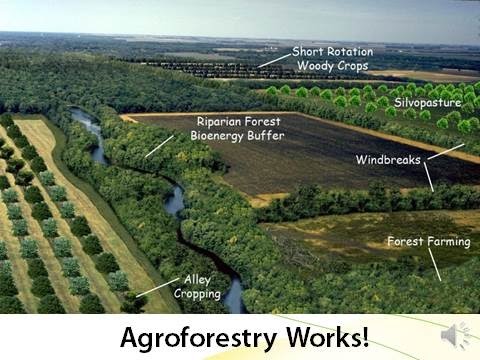
Agroforestry is intentional management of trees together with crops, livestock, or other agricultural components on the same land. Mango can be part of such a system, but successful combinations require planning for shade, root competition, water use, access, and changing tree size. A young orchard's inter-row crop may become unsuitable as the canopy closes. The approach can diversify production and provide ecological benefits, but does not automatically increase fruit quality or eliminate pests without attention to the particular planting design.

The compatibility of trees, crops, and other farm activities depends on their spatial and seasonal arrangement. Shade, access, water demand, and root competition all affect an integrated mango planting. A diverse-looking photograph is not enough to demonstrate a successful system; describe the participating components and the management objectives behind their arrangement.

Read more about Agroforestry
Air Layering

Air Layering

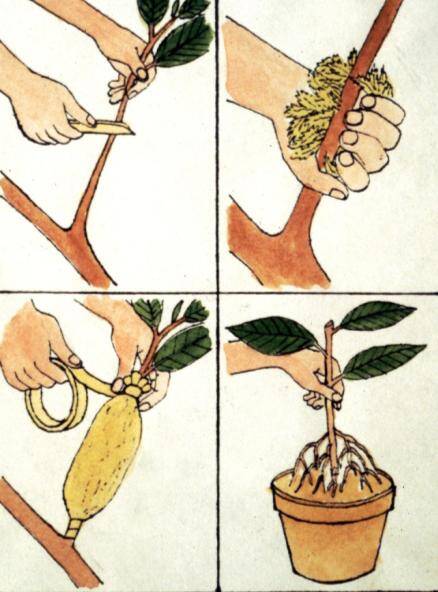
Air layering is encouraging a branch to form roots while it remains attached to the parent plant, commonly by treating a wounded section and enclosing it in moist medium. Although it works well for some fruit species, mango is generally propagated more reliably by grafting onto seedling rootstocks. A layer must develop adequate roots before separation, and roots can be fragile afterward. Do not assume a technique demonstrated on another tropical fruit will give the same success or tree structure on mango.

Related products: air layering tools

A successful layer copies the branch's genetic identity, but its new root system develops adventitiously on that branch rather than coming from a seedling rootstock. That distinction matters when discussing anchorage and establishment. Record actual root formation and survival after separation, not just the appearance of callus within the wrapping.

Read more about Air Layering
Alternate Bearing

Alternate Bearing

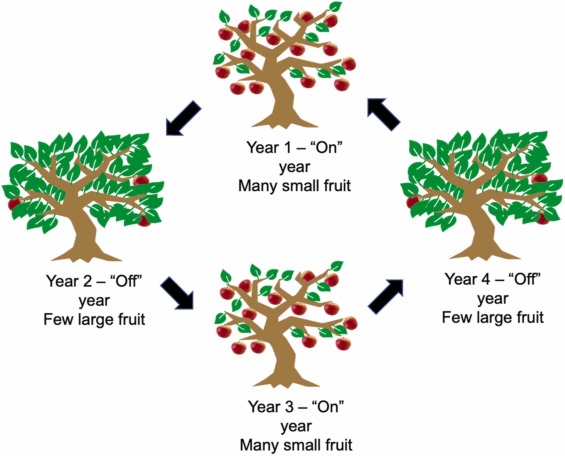
Alternate bearing is a tendency to produce a heavy crop in one year followed by a lighter crop in another. In mango, a large crop can affect reserves, shoot growth, and the availability of mature terminals for later flowering, while weather and management can reinforce the pattern. It is not always a strict every-other-year schedule. Keep records over several seasons and consider tree condition, pruning, and harvest timing before concluding that one low-yield year identifies a permanently unproductive tree.

A bearing pattern is assessed across successive seasons, not from one disappointing harvest. Keep approximate crop-load and pruning records along with flowering dates. Differences in shoot growth, weather, and retained fruit can contribute to the pattern, so a single heavy application of fertilizer is not an explanation or remedy for every off year.

Read more about Alternate Bearing

Anther

An anther is the pollen-producing part of a flower's stamen. Mango flowers produce pollen that can be carried to receptive stigmas, often by insect visitors. The timing of pollen release and the conditions around the flowers affect whether that pollen contributes to fruit formation. Anthers are not seeds or miniature fruit, and a mass of fallen flower parts does not necessarily indicate a failed crop. Distinguish normal spent flowers from diseased panicles and lost developing fruitlets.

Anther appearance changes as pollen develops and is released. An intact-looking structure does not reveal how much viable pollen it supplies under the conditions being studied. When comparing mango flowering, distinguish observations of anther development from actual measurements of pollen viability, transfer, or the subsequent set of fruit.

Read more about Anther