This site contains affiliate links for which we may be compensated.

Mango Database
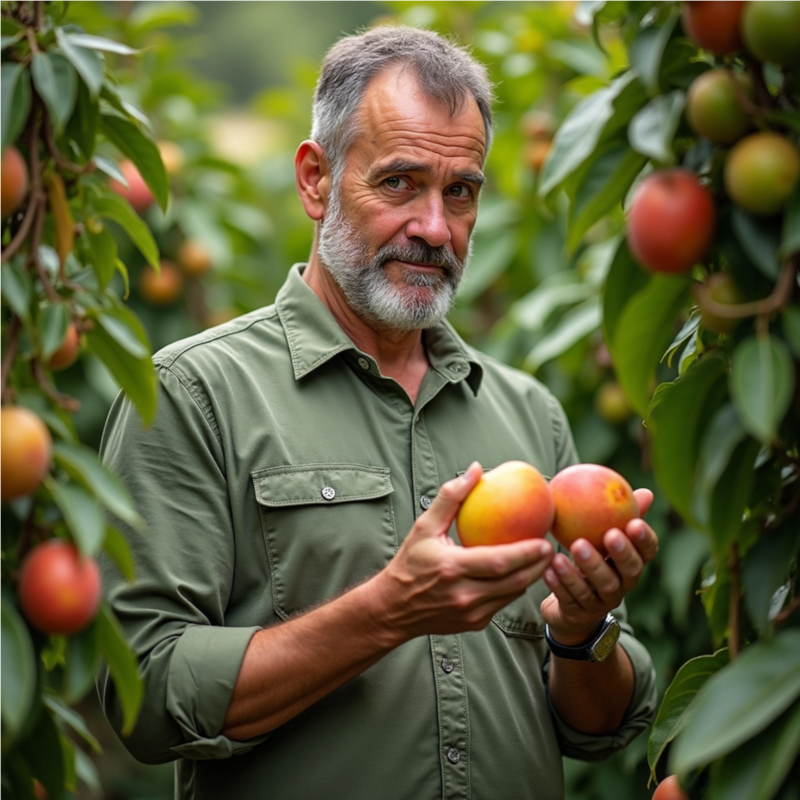
Mangoes in a sunlit tropical orchard

Mango Glossary

Understand the language of mango growing, one term at a time.

Explore Mango Terminology

Browse definitions and growing concepts to expand your mango knowledge.

Showing 8–14 of 18 terms
Cheek

Cheek

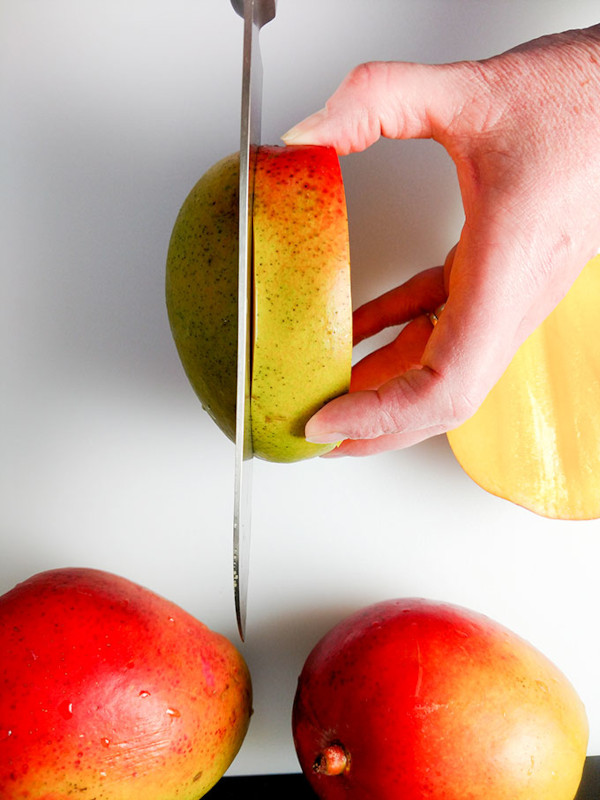
The cheek is either broad, fleshy side of a mango on opposite sides of the flattened seed. Cutting along each side of the seed produces the two pieces commonly called mango cheeks. The shape and fullness of these areas contribute to fruit appearance and practical slicing yield, but do not prove cultivar identity. When preparing fruit, wash the exterior first and use a stable cutting surface, because a slippery mango and an unexpectedly positioned seed can make careless cutting hazardous.

The flattened stone may not lie exactly where it appears from the outside. Begin by locating the stem-to-tip orientation, then adapt the cut to the actual fruit shape. When evaluating flesh yield, distinguish the mass of usable cheeks from peel and stone rather than comparing only the fruit's external size.
Read more about Cheek

Chip Budding

Chip budding transfers a bud attached to a small chip of bark and wood into a corresponding cut on the rootstock. It is distinct from inserting a bud under lifted bark in a T-shaped incision. The cut surfaces need suitable alignment, protection, and contact while healing proceeds. In mango propagation, use guidance specific to the available material and growing conditions; knowing this technique's name does not establish that every cultivar and rootstock combination will respond equally well.

The chip's orientation and contact with appropriate living regions influence the resulting union. Wrapping holds the fitted tissues in place but should not be mistaken for healing itself. Record later bud development and the stock's response, and keep the source identity with the individual plant as other shoots are removed or selected.

Further reading: West Virginia University: Budding Methods.

Read more about Chip Budding
Climacteric

Climacteric

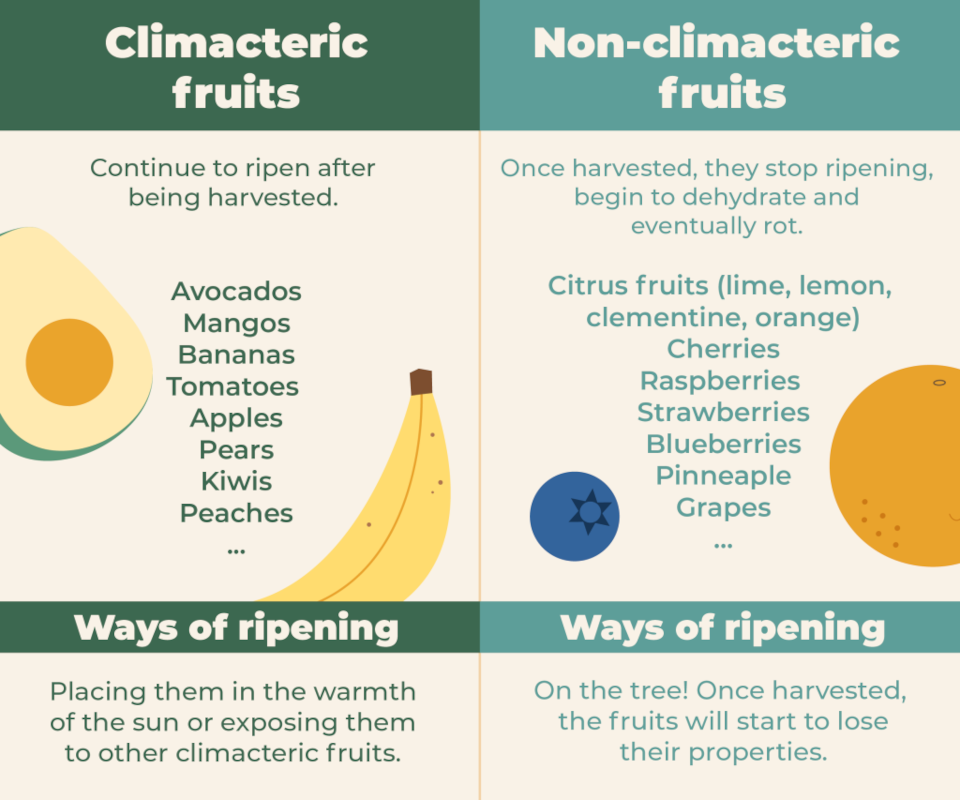
Climacteric describes fruit that shows a characteristic rise in respiration and ethylene production during ripening. Mango is climacteric, so a sufficiently mature fruit can continue ripening after harvest. That does not mean an undersized, immature fruit will develop normal flavor simply by waiting or adding ethylene. Harvest maturity, temperature, and damage influence the result. For home use, allow mature unripe mangoes to soften at room temperature, then refrigerate ripe fruit as appropriate to slow further deterioration.

A climacteric pattern does not imply that all fruit from a tree ripens at the same rate. Fruit condition and maturity at picking still differ within a harvest. Separate damaged specimens from sound ones when comparing ripening behavior, and record both the picking stage and the subsequent temperature history.

Read more about Climacteric

Clone

A clone is a plant or group of plants produced from one source through asexual reproduction and generally sharing its genotype, apart from possible mutations. Mango grafting preserves the scion as a clone of the selected source rather than creating a new seedling genotype. Clonal identity does not make all trees perform identically: rootstock, soil, climate, health, and management still matter. A clone is also not automatically disease-free, so propagation hygiene and trustworthy source material remain important.

Clonal identity concerns genetic continuity, not identical appearance in every environment. Grafted branches of the same mango selection can produce different-looking crops under different loads, light, and water conditions. Record those conditions before assuming an observed change represents a new mutation or that an existing clone has transformed into another cultivar.

Read more about Clone
Cocktail Tree

Cocktail Tree

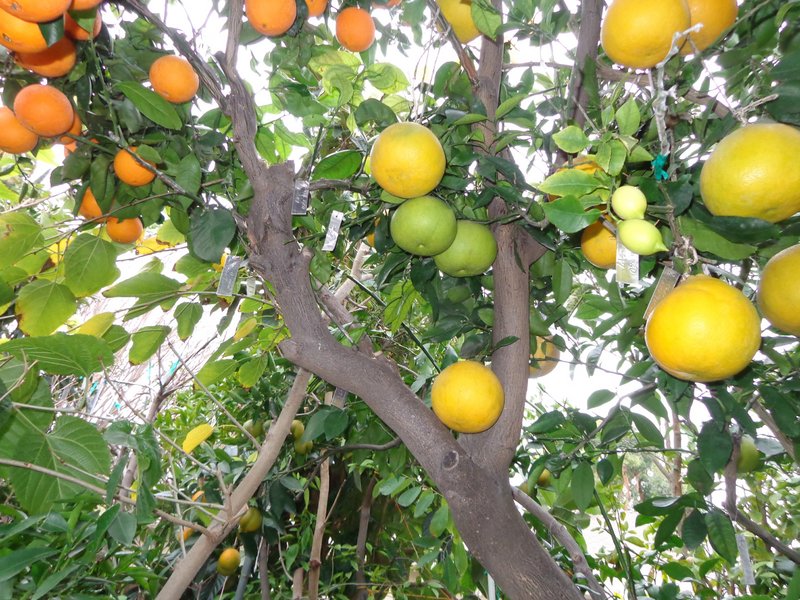
A cocktail tree is a fruit tree carrying more than one grafted cultivar. On a mango cocktail tree, each successfully grafted branch retains its own cultivar identity, offering variety within limited planting space. The arrangement does not guarantee balanced growth: a vigorous branch can shade or overtake weaker grafts, so labeling and selective pruning matter. Different harvest seasons may broaden the picking window where the cultivars perform appropriately, but combining branches does not make an unsuitable climate suitable for mango production.

Each grafted section needs enough space and light to persist. If one cultivar grows much faster, it can shade or physically dominate the others even though all grafts initially succeeded. Keep a branch map and labels, and assess pruning branch by branch instead of treating the tree as a single uniform cultivar.

Read more about Cocktail Tree

Color Break

Color break is the beginning of a noticeable color change as a fruit develops or ripens. On mango, the location and meaning of that change vary with cultivar and growing conditions. A shift in background color can be more informative than a sun-induced blush, but neither provides a universal test. Use color alongside fruit fullness, firmness, and known cultivar behavior, and avoid labeling all green-skinned mangoes immature or all red ones ready to eat.

Color change should be described by location and sequence. A small yellow area near one part of the peel, an overall shift in background color, and a preexisting red blush are different observations. Photographs taken with consistent lighting help record development without turning a change in camera exposure into an apparent ripening event.

Further reading: UC Davis: Mango Produce Facts.

Read more about Color Break
connoisseur

connoisseur

A connoisseur is a knowledgeable and discerning enthusiast. In mango tasting, that may mean comparing aroma, sweetness, acidity, texture, fiber, and aftertaste while paying attention to ripeness and the source of each sample. It is a description of experience and interest, not a formal horticultural credential or an objective ranking system. Good tasting notes explain what was observed and under what conditions, allowing others to compare preferences without claiming that one person's favorite mango must be best for everyone.

Read more about connoisseur