

This site contains affiliate links for which we may be compensated.

Mango Database
Mangoes in a sunlit tropical orchard

Mango Glossary

Understand the language of mango growing, one term at a time.

Explore Mango Terminology

Browse definitions and growing concepts to expand your mango knowledge.

Showing 148–154 of 155 terms
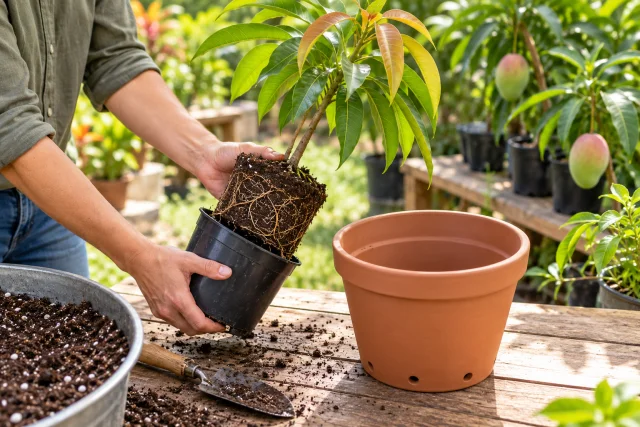
Up pot (generated editorial illustration)

Up pot

To up pot is to move a plant into a larger container so its roots have more room and fresh growing medium. For a mango, choose a container with effective drainage and avoid a very large jump that leaves unused medium wet for long periods. Preserve the original planting depth and handle the root ball carefully. Watering needs may change after the move, so check both the old root ball and the surrounding new mix rather than judging only the surface.

After repotting, the new and old media may wet and dry at different rates. Water can travel around a dense root ball while its interior remains dry, or the original fine medium can stay wetter than the outer mix. Check both regions and observe drainage while the roots begin exploring the added volume.
Read more about Up pot
Walter Zill

Walter Zill

Walter Zill is a Florida mango grower associated with the selection and propagation of mangoes, including the selection known as Pickering. His work belongs to the broader history of the Zill family's involvement with mango growing in South Florida. A named seedling selection becomes dependable nursery material through identification and vegetative propagation, not simply by sharing a family name. When researching this history, distinguish the person, the cultivar, and other family members rather than transferring a cultivar's growth or disease traits to every Zill selection.

View the Pickering variety

Read more about Walter Zill

Watersprout

A watersprout is a vigorous shoot arising from older aboveground wood, often growing more upright than neighboring branches. Such shoots can appear after heavy pruning or other disturbances. They are different from suckers originating from roots or rootstock tissues. On a mango, some may be useful for canopy renewal while others crowd the interior. Select or remove them according to position and purpose instead of assuming every vigorous vertical shoot is either valuable replacement growth or useless growth.

Vigorous upright growth may arise after the removal of competing shoots or damage to older parts of the canopy. Its future usefulness depends on attachment and position, not simply its speed of growth. Select replacement structure deliberately and avoid confusing such a shoot with growth emerging from a different rootstock genotype below the graft.

Further reading: University of Minnesota: Pruning Trees and Shrubs.

Read more about Watersprout
Wayne Pickering

Wayne Pickering

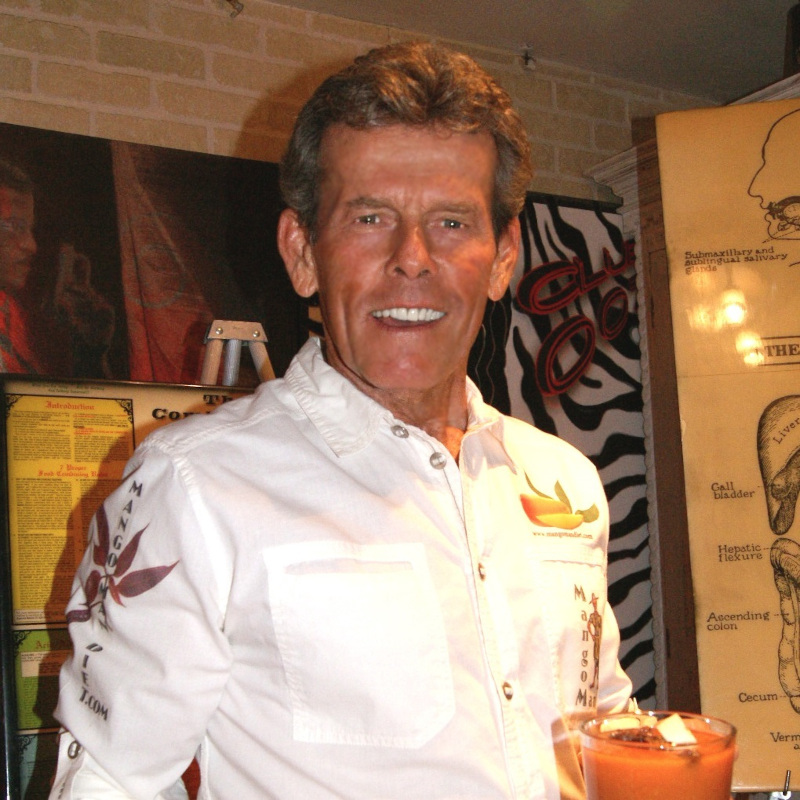
Wayne Pickering, widely known in the mango community as The Mango Man, was a nutrition educator and fruit enthusiast whose name is associated with the Pickering mango selected by Walter Zill. The person and the cultivar are related historically but are not interchangeable subjects: claims about the tree's performance should be checked against cultivar information rather than inferred from a biography. Mango Database's tribute discusses his community connection. Personal recollections should be identified as recollections, without treating an unverified quotation or date as an established scientific fact.

Read the Mango Database tribute

Read more about Wayne Pickering

White Mango Scale

White mango scale, Aulacaspis tubercularis, is an armored scale insect that can infest mango leaves and fruit. Attached scale coverings and associated discoloration may affect the appearance of infested tissues, but pale spots alone do not confirm the species. Examine the insects with suitable magnification and compare their arrangement and coverings with a reliable identification reference. Monitoring should distinguish living scales, old coverings, crawler activity, and natural enemies before management decisions are made.

Armored scale coverings are distinct from the exposed body of the living insect beneath them. Old coverings can remain on fruit or leaves after the insect is no longer active. Inspect life stages and fresh damage as well as the visible marks, keeping the distinction from honeydew-producing scales when interpreting associated symptoms.

Further reading: UF/IFAS: Mango Insect Pests and Beneficials.

Read more about White Mango Scale

WTB

WTB means Want To Buy in marketplace and collector posts. A mango grower may use it when seeking a named grafted tree, scion wood, or fruit, but should specify what form of material is wanted. Include location and delivery constraints, and ask for clear identification and propagation details before agreeing to a purchase. Seeds collected from a named mango do not necessarily produce that same cultivar, so a WTB request should distinguish seedlings from verified grafted plants.

Read more about WTB

Xylem

Xylem is vascular tissue that conducts water and dissolved mineral nutrients through a plant and also contributes structural support. In woody mango stems, much of the wood is xylem. A successful graft must eventually establish functional vascular connections across the union, not merely remain attached externally. Disruption of water transport can produce wilting even when soil is moist, so evaluating a struggling tree requires attention to roots, trunk injuries, and the graft as well as irrigation.

Water movement through xylem is connected to water loss from the canopy and the physical continuity of the transport pathway. A break or blockage can limit supply even when soil contains water. This makes trunk condition and root function important parts of investigating wilt, rather than assuming the problem can be read from soil moisture alone.

Further reading: Washington State University: Basic Botany.

Read more about Xylem