

This site contains affiliate links for which we may be compensated.

Mango Database
Mangoes in a sunlit tropical orchard

Mango Glossary

Understand the language of mango growing, one term at a time.

Explore Mango Terminology

Browse definitions and growing concepts to expand your mango knowledge.

Showing 36–42 of 91 terms

Matching Mango Varieties

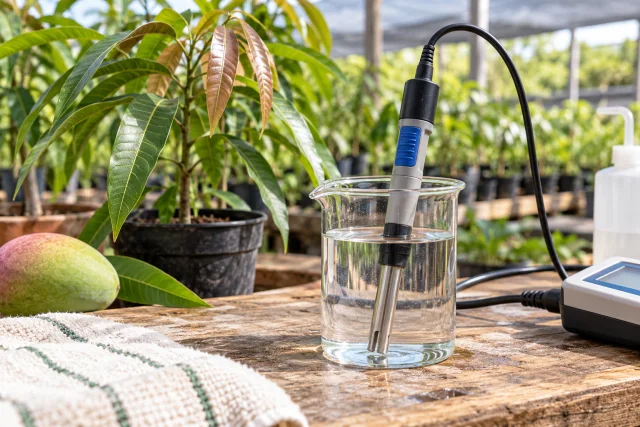
Electrical Conductivity (generated editorial illustration)

Electrical Conductivity

Electrical conductivity, commonly abbreviated EC, measures how readily a solution conducts electricity and is used as an indicator of dissolved salts. In mango growing it can help assess irrigation water, soil extracts, or container media. The sampling and extraction method matter, so readings from different methods are not automatically comparable. EC does not identify which salts are present or measure pH. Investigate high readings alongside water quality, fertilizer use, drainage, and symptoms instead of adding more fertilizer to every pale tree.

Conductivity reflects the combined effects of ions in the measured solution. A reading from a saturated-paste extract is not directly interchangeable with one from a differently diluted sample. Keep units, temperature handling, and extraction method with the result so that changes in procedure are not mistaken for changes in the mango root zone.

Read more about Electrical Conductivity

Floral Induction

Floral induction is the physiological process that makes a developing bud capable of following a flowering pathway rather than only vegetative growth. In mangoes, temperature, shoot age, tree condition, and environmental history interact, with differences between tropical and subtropical production. Visible flowers appear later, so the process cannot be judged only on the day a panicle emerges. It is not synonymous with applying a chemical, and stressing a weak tree does not reliably create a productive bloom.

Induction concerns the conditions and processes leading toward flowering before an obvious panicle is visible. Later emergence is an observable event, but it does not identify exactly when induction occurred. Interpret mango flowering with shoot maturity and local environmental history, and do not infer a universal triggering temperature from one successful season.

Read more about Floral Induction

Frass

Frass is material associated with insect feeding, particularly insect excrement, sometimes mixed with chewed plant particles. Around a mango shoot or trunk opening, it can be a clue that an insect has been active inside tissue. It is different from sap or gum exuding from a wound. Record the material, entry holes, and surrounding damage before disturbing the area, since frass alone rarely establishes the insect species or whether an infestation remains active.

Its appearance can vary with the insect, food source, and moisture. Material pushed from a feeding gallery is a clue to investigate, not proof that every particle is insect excrement. Photograph its association with openings or damaged tissues before cleaning it away, and distinguish it from loose soil, decayed bark, or dried sap.

Further reading: University of California: Invasive Shothole Borer Diagnosis.

Read more about Frass

FS

FS means For Sale in plant-collector and marketplace posts. In a mango listing it may refer to a tree, scion wood, seeds, or fruit, so the abbreviation alone says nothing about what is included or whether the item is true to type. Check the cultivar name, propagation method, plant health, size, and shipping restrictions before purchasing. A seller's photograph of attractive fruit is not proof that an offered seedling will produce that same fruit.

Read more about FS

Genotype

Genotype is the genetic constitution of an organism. A mango seedling formed through fertilization has its own genetic combination, whereas a grafted scion normally preserves the genotype of its source tree. Genotype is distinct from phenotype, the characteristics actually observed under particular conditions. Poor flavor from immature fruit or weak growth in a saturated pot does not by itself demonstrate that a correctly labeled graft has changed genetically. Identity questions need provenance and, where appropriate, more specialized evidence.

Different plant parts in a grafted tree can have different genotypes: the rootstock and scion are joined but remain distinct partners. A shoot arising below the union may therefore differ from the desired cultivar. Locate its origin before interpreting unusual foliage or fruit as a genetic change within the scion.

Read more about Genotype
GI

GI

GI is the abbreviation for geographical indication, a place-linked product designation used under particular legal frameworks. In mango discussions, it may refer to a protected regional product rather than to a botanical variety or a quality score. On commercial labels the abbreviation names the designation, not a separate horticultural attribute. Check the actual registered name and requirements before interpreting a GI claim; ordinary use of a famous region's name is not proof of certification.

Read more about GI
Grafting

Grafting

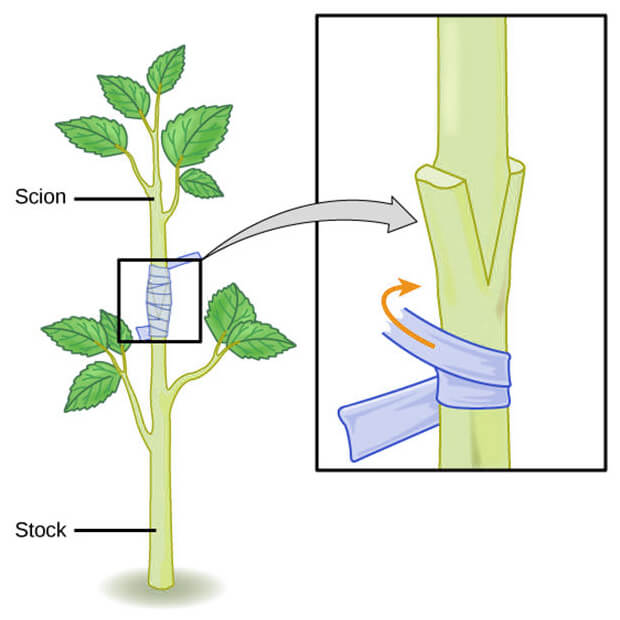
Grafting is the process of joining living plant parts so their tissues heal together. Mango growers use it to reproduce a selected cultivar on a rootstock instead of relying on genetically variable seedlings. Success depends on compatible material, close contact between cambial regions, suitable growing conditions, and protection from drying and movement. Methods include veneer, cleft, and approach grafting. The best choice depends on stem size and local practice; no method makes unhealthy or mislabeled scion wood reliable.

Read the mango grafting FAQ

Successful grafting has both a construction stage and an establishment stage. A carefully fitted cut can still fail if the joined pieces move or dry before connections develop. Record subsequent growth and union condition as well as the initial operation, so comparisons between methods include aftercare rather than only the shape of the cuts.

Read more about Grafting