This site contains affiliate links for which we may be compensated.

Mango Database
Mangoes in a sunlit tropical orchard

Mango Glossary

Understand the language of mango growing, one term at a time.

Explore Mango Terminology

Browse definitions and growing concepts to expand your mango knowledge.

Showing 57–63 of 155 terms
Fruit Set (generated editorial illustration)

Fruit Set

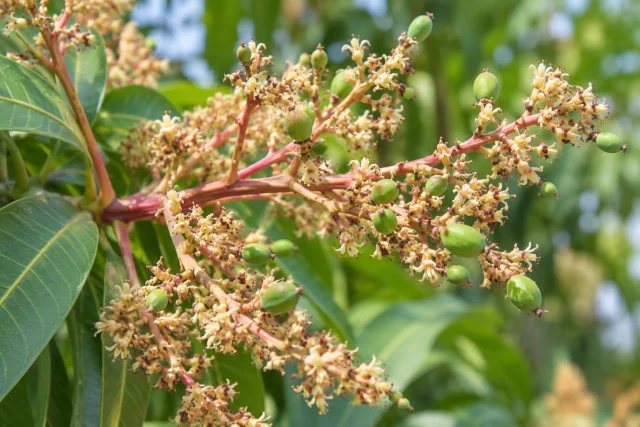
Fruit set is the transition from flowers to developing fruitlets. In mangoes, initial set is only the beginning of the crop: many small fruitlets are subsequently shed before harvest. Flower disease, weather, pollination, fertilization, and the tree's resources can all affect the process. Record when fruitlets appear and when losses occur, because a tree that never sets fruit presents a different problem from one that sets well but later drops developing mangoes.

An initial count of small fruitlets and the harvest count answer different questions. Many mango fruitlets are shed after initial development, so a meaningful record identifies the stage being counted. Repeated observations of the same marked panicles help separate initial set from later retention and make comparisons between seasons clearer.


Read more about Fruit Set

Genotype

Genotype is the genetic constitution of an organism. A mango seedling formed through fertilization has its own genetic combination, whereas a grafted scion normally preserves the genotype of its source tree. Genotype is distinct from phenotype, the characteristics actually observed under particular conditions. Poor flavor from immature fruit or weak growth in a saturated pot does not by itself demonstrate that a correctly labeled graft has changed genetically. Identity questions need provenance and, where appropriate, more specialized evidence.

Different plant parts in a grafted tree can have different genotypes: the rootstock and scion are joined but remain distinct partners. A shoot arising below the union may therefore differ from the desired cultivar. Locate its origin before interpreting unusual foliage or fruit as a genetic change within the scion.

Read more about Genotype
Geographical Indication

Geographical Indication

A geographical indication identifies a product whose origin is linked to a defined place and whose qualities, reputation, or characteristics are associated with that origin under an applicable legal system. In mango commerce it can distinguish a protected regional product from a cultivar name used elsewhere. Protection, labeling rules, and production specifications depend on the registration and jurisdiction. A geographical indication does not mean every fruit is identical, and a tree grown outside the defined area does not acquire the designation merely by sharing a cultivar name.

Read more about Geographical Indication
GI

GI

GI is the abbreviation for geographical indication, a place-linked product designation used under particular legal frameworks. In mango discussions, it may refer to a protected regional product rather than to a botanical variety or a quality score. On commercial labels the abbreviation names the designation, not a separate horticultural attribute. Check the actual registered name and requirements before interpreting a GI claim; ordinary use of a famous region's name is not proof of certification.

Read more about GI
GRIN

GRIN

GRIN stands for Germplasm Resources Information Network, the USDA information system supporting documentation of genetic resources. Plant records can include accession identifiers, taxonomy, collection history, and evaluation information relevant to mango research. It is a reference and collection-management resource, not a guarantee that every cultivar claim found elsewhere is correct or that plant material is available to every requester. Distinguish a documented accession from a commercial nursery name when investigating the identity or history of a mango.

Read more about GRIN
Grow light

Grow light

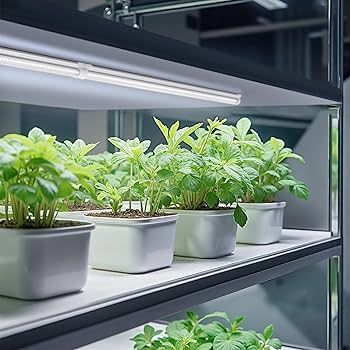
A grow light supplies artificial light for plant growth when daylight is inadequate. For container mangoes kept indoors during cold weather, useful performance depends on the light reaching the leaves, coverage, daily operating time, and distance from foliage, not just the lamp's advertised wattage. Increase exposure gradually and monitor heat and leaf response. Supplementary light can maintain a tree through winter, but it does not automatically provide the space, pollination, and environmental conditions needed for a dependable indoor crop.

Related products: grow lights

Light intensity at the canopy decreases as distance and coverage change. A useful setup illuminates more than the highest shoot while leaving room for growth and safe ventilation. Keep notes on the actual lamp position and hours used; a tree leaning toward a window may be receiving a different distribution than its lamp arrangement suggests.

Read more about Grow light
Gummosis

Gummosis

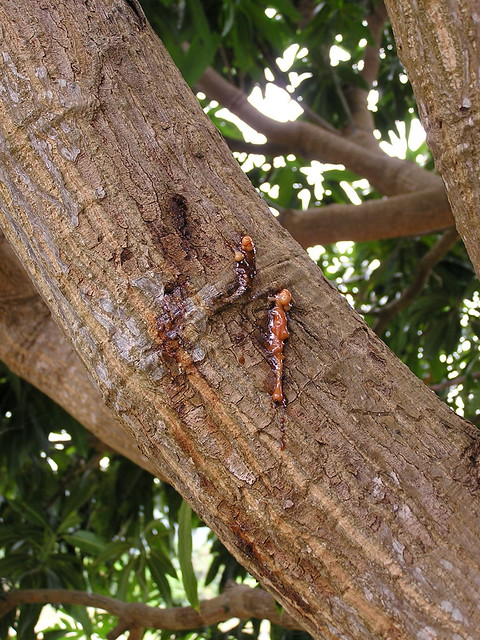
Gummosis is the exudation of gum-like material from damaged or stressed plant tissue, often visible on mango trunks or branches. It is a symptom rather than a single disease: injury, insects, infection, and environmental stress can produce similar appearances. Examine the site for wounds, boring holes, discoloration, and spreading dieback before deciding on management. Repeatedly cutting or coating the area without identifying the cause can worsen damage. A diagnostic assessment is more useful than assuming every gum deposit has the same treatment.

Exudate can conceal the margin of an injury, making a dated photograph of the surrounding bark useful. Note whether a wound followed pruning, abrasion, sun exposure, or insect activity. Repeatedly reopening the area can remove protective tissues and complicate diagnosis, so inspection should be proportionate to the tree's condition.

Read more about Gummosis