This site contains affiliate links for which we may be compensated.

Mango Database
Mangoes in a sunlit tropical orchard

Mango Glossary

Understand the language of mango growing, one term at a time.

Explore Mango Terminology

Browse definitions and growing concepts to expand your mango knowledge.

Showing 1–6 of 6 terms

Whip Grafting

Whip grafting joins scion and rootstock using matching sloping cuts, usually on material of similar diameter. Close tissue contact and secure support are important; the related whip-and-tongue method adds interlocking cuts. Mango propagators may use different grafting methods according to material and conditions, so whip grafting should not be treated as universally preferable. Practice safe cutting on expendable material first, and distinguish mechanical attachment from the living union that must subsequently develop.

Matching diameters make fitted contact easier, but apparent outer alignment does not guarantee alignment of the relevant living tissues. Bark thickness and cut quality still matter. Compare the technique with the available material and the intended aftercare, rather than assuming that a mechanically neat joint is already a functioning vascular connection.

Further reading: University of Missouri: Plant Propagation.
Read more about Whip Grafting
Walter Zill

Walter Zill

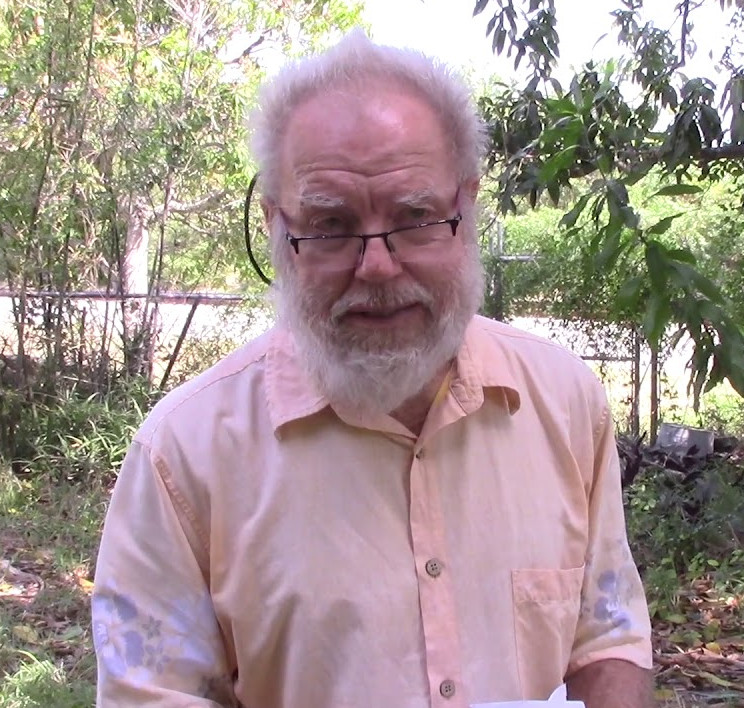
Walter Zill is a Florida mango grower associated with the selection and propagation of mangoes, including the selection known as Pickering. His work belongs to the broader history of the Zill family's involvement with mango growing in South Florida. A named seedling selection becomes dependable nursery material through identification and vegetative propagation, not simply by sharing a family name. When researching this history, distinguish the person, the cultivar, and other family members rather than transferring a cultivar's growth or disease traits to every Zill selection.

View the Pickering variety

Read more about Walter Zill

Watersprout

A watersprout is a vigorous shoot arising from older aboveground wood, often growing more upright than neighboring branches. Such shoots can appear after heavy pruning or other disturbances. They are different from suckers originating from roots or rootstock tissues. On a mango, some may be useful for canopy renewal while others crowd the interior. Select or remove them according to position and purpose instead of assuming every vigorous vertical shoot is either valuable replacement growth or useless growth.

Vigorous upright growth may arise after the removal of competing shoots or damage to older parts of the canopy. Its future usefulness depends on attachment and position, not simply its speed of growth. Select replacement structure deliberately and avoid confusing such a shoot with growth emerging from a different rootstock genotype below the graft.

Further reading: University of Minnesota: Pruning Trees and Shrubs.

Read more about Watersprout
Wayne Pickering

Wayne Pickering

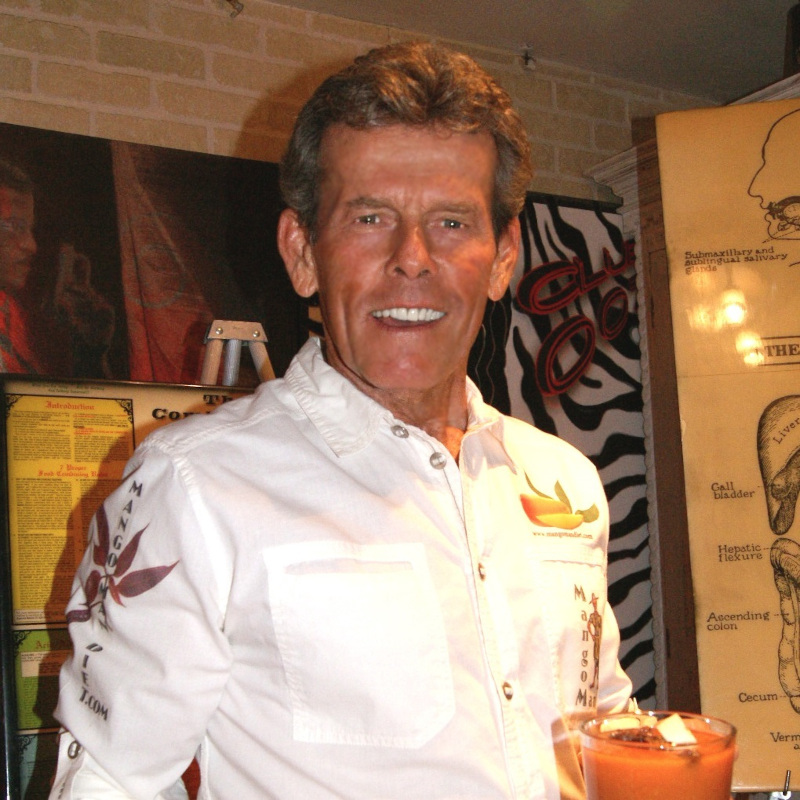
Wayne Pickering, widely known in the mango community as The Mango Man, was a nutrition educator and fruit enthusiast whose name is associated with the Pickering mango selected by Walter Zill. The person and the cultivar are related historically but are not interchangeable subjects: claims about the tree's performance should be checked against cultivar information rather than inferred from a biography. Mango Database's tribute discusses his community connection. Personal recollections should be identified as recollections, without treating an unverified quotation or date as an established scientific fact.

Read the Mango Database tribute

Read more about Wayne Pickering

White Mango Scale

White mango scale, Aulacaspis tubercularis, is an armored scale insect that can infest mango leaves and fruit. Attached scale coverings and associated discoloration may affect the appearance of infested tissues, but pale spots alone do not confirm the species. Examine the insects with suitable magnification and compare their arrangement and coverings with a reliable identification reference. Monitoring should distinguish living scales, old coverings, crawler activity, and natural enemies before management decisions are made.

Armored scale coverings are distinct from the exposed body of the living insect beneath them. Old coverings can remain on fruit or leaves after the insect is no longer active. Inspect life stages and fresh damage as well as the visible marks, keeping the distinction from honeydew-producing scales when interpreting associated symptoms.

Further reading: UF/IFAS: Mango Insect Pests and Beneficials.

Read more about White Mango Scale

WTB

WTB means Want To Buy in marketplace and collector posts. A mango grower may use it when seeking a named grafted tree, scion wood, or fruit, but should specify what form of material is wanted. Include location and delivery constraints, and ask for clear identification and propagation details before agreeing to a purchase. Seeds collected from a named mango do not necessarily produce that same cultivar, so a WTB request should distinguish seedlings from verified grafted plants.

Read more about WTB