
This site contains affiliate links for which we may be compensated.

Mango Database
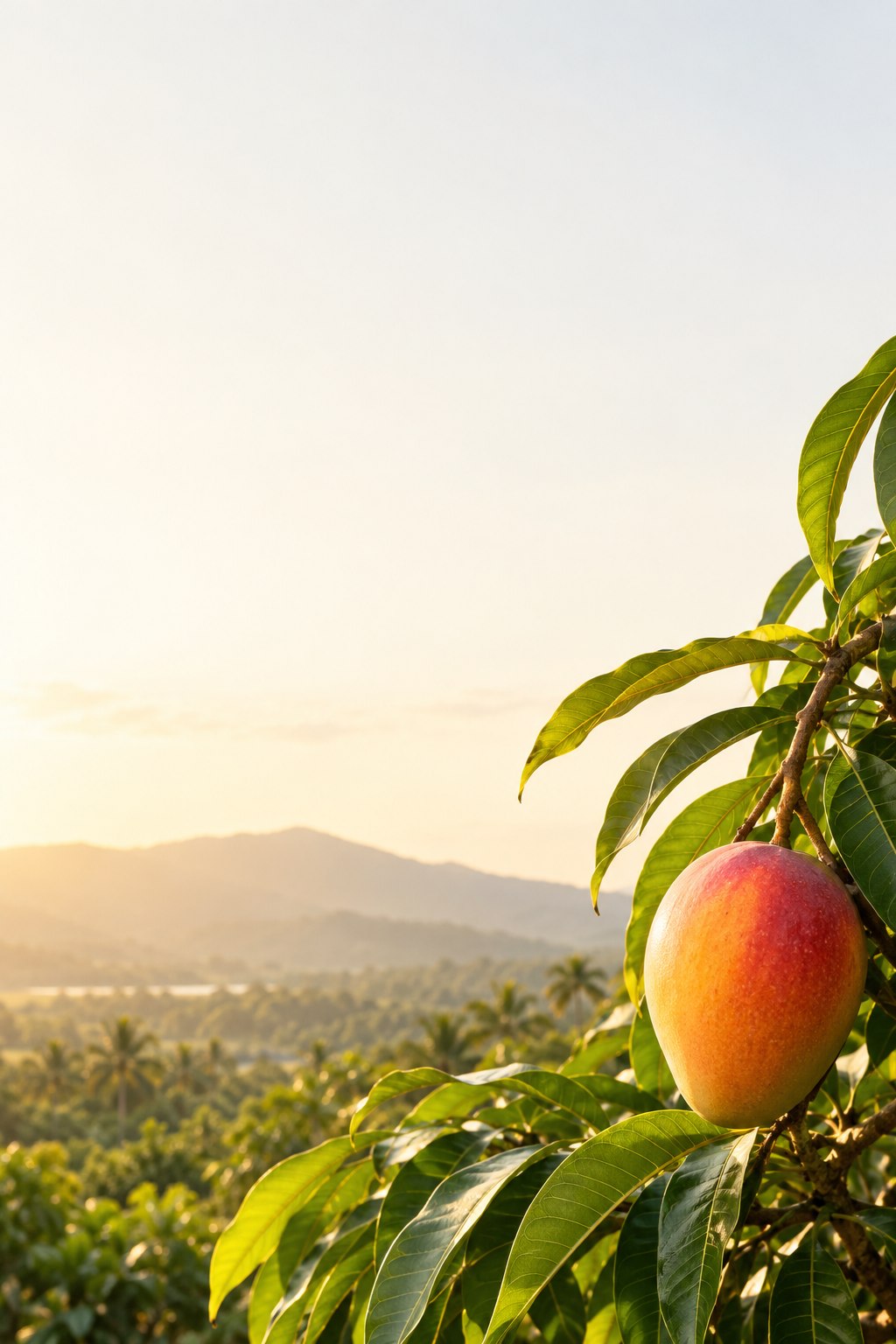
Mangoes in a sunlit tropical orchard

Mango Glossary

Understand the language of mango growing, one term at a time.

Explore Mango Terminology

Browse definitions and growing concepts to expand your mango knowledge.

Showing 1–2 of 2 terms

Stomata

Stomata are microscopic pores bordered by guard cells, especially important on leaf surfaces. Their opening and closing influence carbon dioxide entry and water-vapor loss. A mango tree can reduce stomatal opening under stressful conditions, limiting photosynthesis even while its leaves remain present. This helps explain why more fertilizer cannot compensate for every growth problem. Consider water availability, root health, heat, and exposure together when evaluating a tree that is growing slowly.

Guard cells regulate the pore, linking water loss with access to carbon dioxide. The response changes with the plant's environment and water status. This tradeoff helps explain why a stressed tree may have lower carbon assimilation even under bright light, and why more light alone does not resolve every growth limitation.

Further reading: Oregon State University: Botany Basics.

Read more about Stomata

Transpiration

Transpiration is the loss of water vapor from a plant, predominantly through leaf stomata. It is connected to the movement of water from roots through the canopy and is affected by light, humidity, wind, and temperature. A mango in a windy, exposed container can therefore dry differently from one in a sheltered site. Judge watering needs from the root zone and growing conditions, rather than using leaf size or a fixed calendar as the only guide.

Transpiration can change rapidly with wind, humidity, light, and the opening of stomata. The roots must supply the resulting demand through the plant's transport system. Comparing a sheltered morning with a windy afternoon therefore requires more context than noting that the same pot received the same amount of water on both occasions.

Further reading: Oregon State University: Botany Basics.

Read more about Transpiration