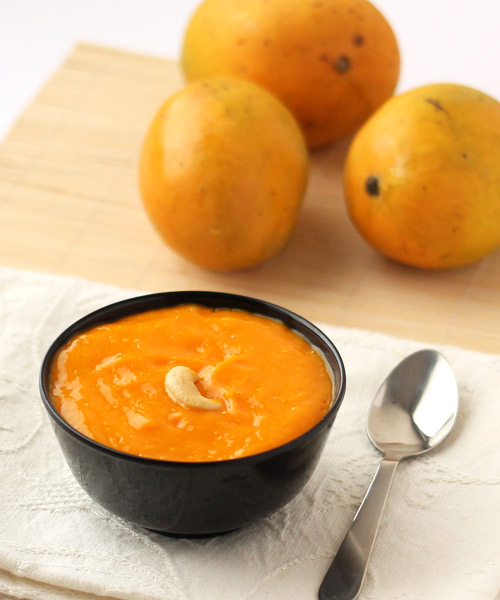
Aamras is a preparation of ripe mango pulp associated with western Indian food traditions, particularly in Maharashtra and Gujarat. It is commonly eaten with breads such as puri or served as a sweet accompaniment, with seasoning and added ingredients varying by household and region. It illustrates that mango eating quality includes how fruit performs in food, not only a fresh-fruit tasting score. Use ripe, sound fruit and clean preparation methods; pulp still requires appropriate food handling and storage after preparation.
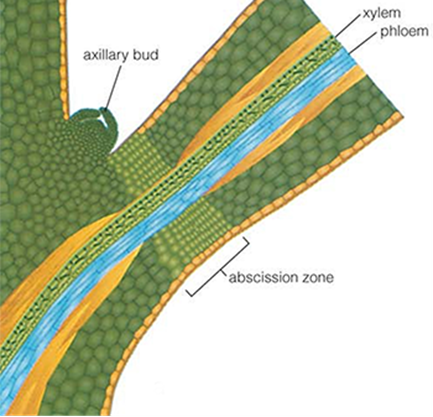
An abscission layer is a specialized zone of cells where a plant part can separate from the plant. In mango fruit drop, changes at the fruit attachment allow flowers or fruitlets to detach as part of normal development or in response to stress. Some early drop is expected because the tree cannot mature every flower into fruit. Excessive losses need context: crop stage, pollination, disease, water supply, and weather may all matter. The existence of an abscission zone does not identify a single cause of drop.
An accession is a separately identified sample or collection unit maintained in a germplasm collection. A mango accession number helps track a particular introduction or source, which may be a cultivar, a breeding selection, or other material. It is not automatically the same as a commercial variety name, and several accessions can share a name while having different histories. Preserve the number and provenance together when using collection records to investigate identity, performance, or breeding relationships.
Aeration is the exchange and availability of air within soil or growing medium. Mango roots require oxygen for normal functioning, so a useful mix must balance water retention with air-filled pore space. Adding a coarse component does not guarantee good aeration if fine material fills the gaps or the container stays flooded. Judge the entire root environment, including pot depth, drainage, and watering pattern. Piercing soil around major roots is not automatically a safe way to repair every aeration problem.
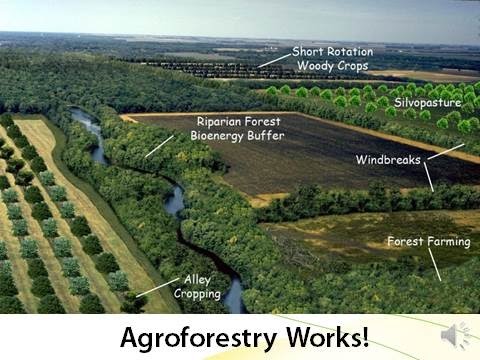
Agroforestry is intentional management of trees together with crops, livestock, or other agricultural components on the same land. Mango can be part of such a system, but successful combinations require planning for shade, root competition, water use, access, and changing tree size. A young orchard's inter-row crop may become unsuitable as the canopy closes. The approach can diversify production and provide ecological benefits, but does not automatically increase fruit quality or eliminate pests without attention to the particular planting design.
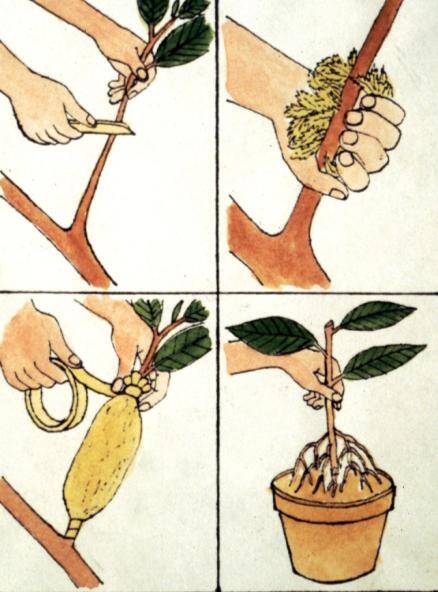
Air layering is encouraging a branch to form roots while it remains attached to the parent plant, commonly by treating a wounded section and enclosing it in moist medium. Although it works well for some fruit species, mango is generally propagated more reliably by grafting onto seedling rootstocks. A layer must develop adequate roots before separation, and roots can be fragile afterward. Do not assume a technique demonstrated on another tropical fruit will give the same success or tree structure on mango.
Related products: air layering tools
Algal leaf spot is a plant disease associated with parasitic algae such as Cephaleuros species. On mango foliage, affected areas may appear as raised or textured spots with rusty or orange coloration, though appearance changes with age and conditions. It is not the same as an insect infestation or every brown leaf patch. Tree vigor, moisture conditions, and accurate identification matter when deciding whether management is needed. A few old spots do not automatically justify broad chemical treatment.
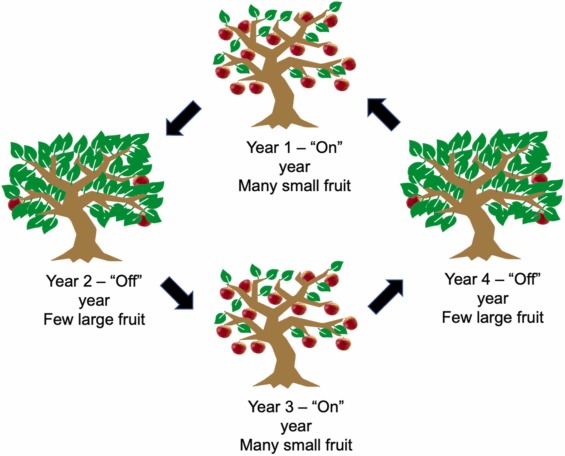
Alternate bearing is a tendency to produce a heavy crop in one year followed by a lighter crop in another. In mango, a large crop can affect reserves, shoot growth, and the availability of mature terminals for later flowering, while weather and management can reinforce the pattern. It is not always a strict every-other-year schedule. Keep records over several seasons and consider tree condition, pruning, and harvest timing before concluding that one low-yield year identifies a permanently unproductive tree.
An anther is the pollen-producing part of a flower's stamen. Mango flowers produce pollen that can be carried to receptive stigmas, often by insect visitors. The timing of pollen release and the conditions around the flowers affect whether that pollen contributes to fruit formation. Anthers are not seeds or miniature fruit, and a mass of fallen flower parts does not necessarily indicate a failed crop. Distinguish normal spent flowers from diseased panicles and lost developing fruitlets.
Anthesis is the period when a flower opens and functions in reproduction. A mango panicle contains many flowers that do not all open at exactly the same moment, so a flowering tree can present a changing mixture of buds, open flowers, and spent flowers. Weather and insect activity during this period can affect successful pollination. The term helps growers describe observations precisely without confusing first panicle emergence with the actual opening and reproductive activity of individual flowers.

Anthracnose is a fungal disease associated with Colletotrichum species that can affect mango flowers, young growth, and fruit. Infections acquired earlier may remain inconspicuous until the fruit ripens, when dark lesions and decay develop. Wet conditions and susceptible growth increase risk, but black spots alone do not confirm the cause. Good airflow, careful handling, and avoiding unnecessary wetting of flowers are useful preventive practices. Seek a diagnosis and locally appropriate advice before treating, rather than assuming every dark mark requires a fungicide.
Apical dominance is the influence of a growing shoot tip on the activity of buds farther down that shoot. Removing the tip of a young mango can encourage lateral branching, which is useful for training a lower, more accessible canopy. The response also depends on vigor, timing, and plant condition. Repeatedly removing every new tip can delay shoot maturity and flowering, so branching goals should be balanced with the need to retain healthy foliage and productive terminals.
Approach grafting joins two plants while each still has its own root system during the early healing period. After a secure connection forms, the unwanted parts are removed in stages to leave the intended scion on the chosen rootstock. This can reduce immediate scion dehydration in mango propagation, but it requires positioning and supporting both plants carefully. The joined stems still need close tissue contact and enough time to heal before either plant is separated.
An axillary bud occurs in the angle between a leaf and its stem. On a mango shoot, these buds can provide new side growth when conditions favor it or when the terminal shoot is removed. Their presence helps explain why a carefully placed pruning cut can produce branching below the cut. The response is not identical at every node, so inspect the tree's vigor and subsequent growth instead of expecting a fixed number of branches from every pruning action.

Bacterial black spot is a mango disease associated with Xanthomonas citri pv. mangiferaeindicae, which has also appeared under older scientific names. It can produce dark lesions on leaves, fruit, and young stems, sometimes with cracking or raised margins. Symptoms may overlap with fungal spots and physical damage, so diagnosis matters. Clean propagation material, reduced injury, sanitation, and locally appropriate management help limit spread. Do not infer that every black spot is bacterial or apply a treatment based only on color.
Beneficial insects provide services such as pollination, predation, or parasitism of pests. Mango flower visitors and insect natural enemies can support production, but a helpful insect may resemble a pest at a glance. Preserve useful habitat where appropriate and assess the need for treatment before spraying active flowers. Beneficial does not mean that one purchased insect will solve every problem; species, timing, food supply, and environmental conditions determine whether a natural enemy can contribute effectively.