Fertigation is applying nutrients through an irrigation system. In a mango orchard it can deliver small, scheduled applications to the wetted root zone, but it requires suitable equipment, compatible materials, and safeguards against contamination of the water supply. Uneven irrigation produces uneven nutrient delivery, and blocked emitters can leave trees underfed or dry. Check the system and follow applicable instructions rather than treating fertigation as simply pouring any fertilizer into a water tank.
Fertilization in plant reproduction is the union of reproductive cells following successful pollen-tube growth. It differs from fertilizing a tree with nutrients, even though everyday language uses similar words. In mangoes it leads to development of a sexually produced embryo and supports normal seed and fruit development. Pollination can occur without successful fertilization, and a fertilized flower can still lose its fruitlet later. Consider these separate stages when asking why a heavily flowering tree did not produce a crop.
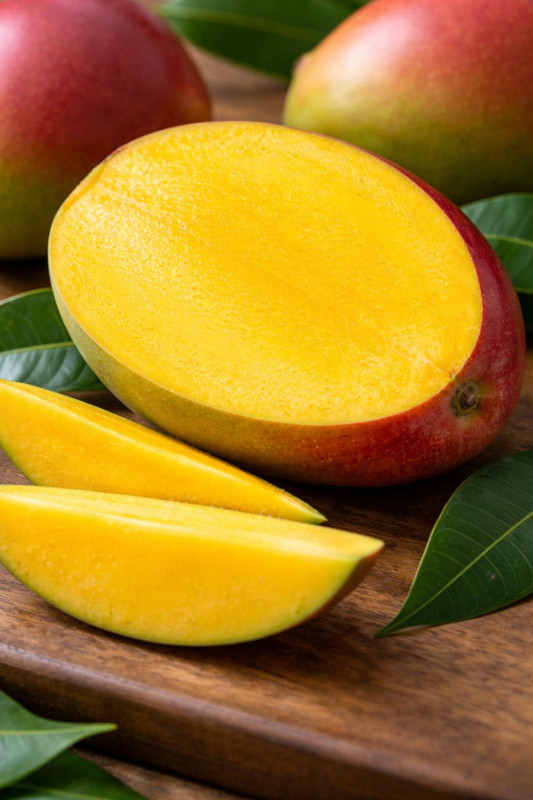
Fiberless is a practical eating-quality description for mango flesh with little noticeable stringiness, not a claim that the fruit contains absolutely no structural or dietary fiber. The amount perceived depends on cultivar, ripeness, and which part of the flesh is sampled. Low-fiber flesh can be pleasant for fresh eating, but texture is only one aspect of quality. Compare sound fruit at similar stages and avoid assuming that a smooth sample alone identifies a variety or guarantees a particular flavor.

Fibrous describes mango flesh with noticeable string-like strands, especially near the seed. These strands include vascular tissue and influence eating texture, but the term does not by itself indicate poor nutrition, spoilage, or an inferior cultivar. Some people prefer smooth dessert fruit while others enjoy more fibrous mangoes or use them in drinks and cooking. Compare fruit at a similar eating-ripe stage, and separate the amount of fiber from other qualities such as sweetness, acidity, aroma, and flesh firmness.
Fibrous means having noticeable fibers; in mango tasting it usually refers to the stringy strands that can remain around the seed or through the flesh. Describing their location and how strongly they affect mouthfeel makes a tasting note more informative than simply calling a fruit bad. Fiber content is a texture characteristic, not by itself a defect or a sign that a fruit is unsafe. Some culinary uses tolerate or remove the strands, while fresh-fruit preferences vary. Evaluate ripeness, flavor, and condition separately from stringiness.
Field capacity describes the soil moisture remaining after substantial gravitational drainage has slowed. It is a useful reference for irrigation planning, not a fixed moisture percentage shared by every soil. A mango root zone can hold very different amounts of plant-available water depending on texture, structure, and rooting depth. A sensor reading is most useful when interpreted for the actual soil and placement. Do not equate field capacity with continuous saturation, which leaves much less air available to roots.
Floral induction is the physiological process that makes a developing bud capable of following a flowering pathway rather than only vegetative growth. In mangoes, temperature, shoot age, tree condition, and environmental history interact, with differences between tropical and subtropical production. Visible flowers appear later, so the process cannot be judged only on the day a panicle emerges. It is not synonymous with applying a chemical, and stressing a weak tree does not reliably create a productive bloom.
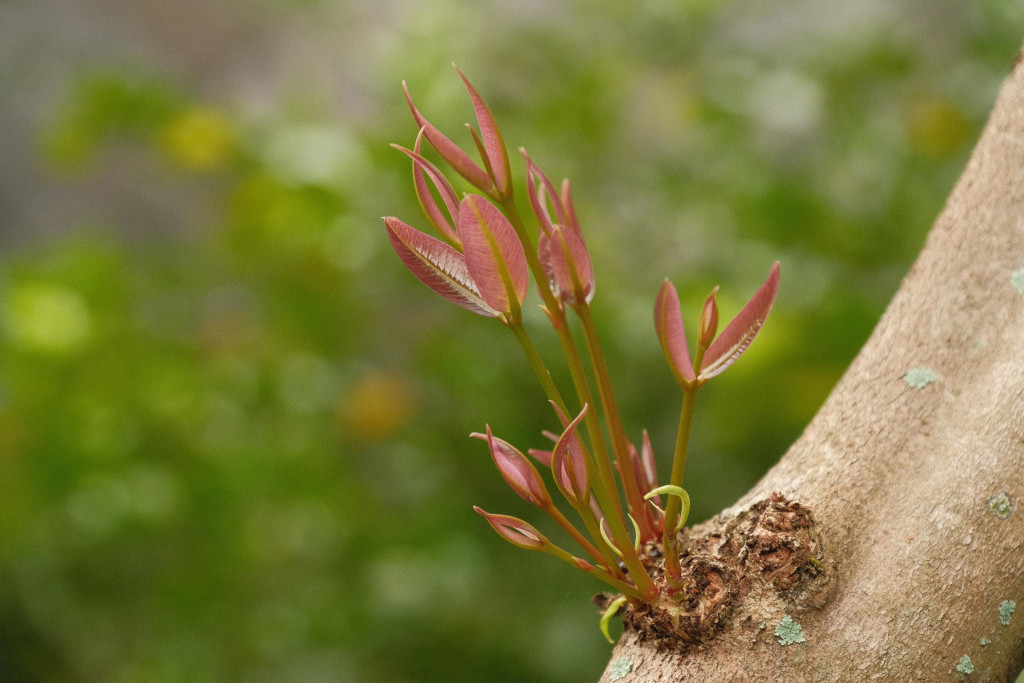
Flushing is the production of a new burst of shoots and leaves, rather than steady growth throughout the year. Mango leaves often emerge bronze, reddish, or pale green and become firmer and darker as they mature. A flush helps build the canopy and provides shoots that may later flower, but a late vegetative flush can compete with flowering. Record when growth starts and hardens before deciding when to prune or fertilize; the calendar varies with climate and tree condition.
Fruit fly is a common name used for different flies, including species whose larvae can infest mango fruit and small vinegar flies attracted to damaged or fermenting material. The distinction matters for crop protection and quarantine. Adult appearance, larval findings, host condition, and location help guide identification. Keep fallen fruit managed and follow local reporting requirements for suspect regulated pests. A household vinegar trap or the sight of flies near overripe fruit does not establish control of a regulated mango fruit-fly species.
Fruit retention is the continued holding of developing fruit after initial set. A mango tree normally sheds many flowers and small fruitlets, so retention should be considered relative to stage, tree size, and normal behavior. Unusual losses can follow stress, disease, injury, or competing demands within the tree. Maintain suitable root-zone conditions and investigate the pattern rather than treating every fallen fruitlet as a nutrient deficiency or assuming a spray can preserve every fruit that initially sets.
Fruit set is the transition from flowers to developing fruitlets. In mangoes, initial set is only the beginning of the crop: many small fruitlets are subsequently shed before harvest. Flower disease, weather, pollination, fertilization, and the tree's resources can all affect the process. Record when fruitlets appear and when losses occur, because a tree that never sets fruit presents a different problem from one that sets well but later drops developing mangoes.
FS means For Sale in plant-collector and marketplace posts. In a mango listing it may refer to a tree, scion wood, seeds, or fruit, so the abbreviation alone says nothing about what is included or whether the item is true to type. Check the cultivar name, propagation method, plant health, size, and shipping restrictions before purchasing. A seller's photograph of attractive fruit is not proof that an offered seedling will produce that same fruit.
FT means For Trade: an item is being offered in exchange for something else rather than simply listed for a cash sale. Mango growers may trade scions, grafted plants, or seeds, but the parties need to agree on cultivar identity, quantity, condition, and timing. Plant-health and movement restrictions still apply to a trade. Keep labels attached and document the source, because a mistaken scion label can propagate an identification error through many later trees.