
Walter Zill is a Florida mango grower associated with the selection and propagation of mangoes, including the selection known as Pickering. His work belongs to the broader history of the Zill family's involvement with mango growing in South Florida. A named seedling selection becomes dependable nursery material through identification and vegetative propagation, not simply by sharing a family name. When researching this history, distinguish the person, the cultivar, and other family members rather than transferring a cultivar's growth or disease traits to every Zill selection.
View the Pickering variety
Waterlogging occurs when water fills soil pores for long enough to restrict air supply to roots. A mango may then wilt, grow poorly, or develop yellow leaves despite being surrounded by water. Repeated watering in response to those symptoms can make the situation worse. Examine drainage, planting depth, soil layers, and container outlets before adding fertilizer or more water. Recovery depends on the extent of root injury and correction of the cause, not simply on drying the leaf surface.
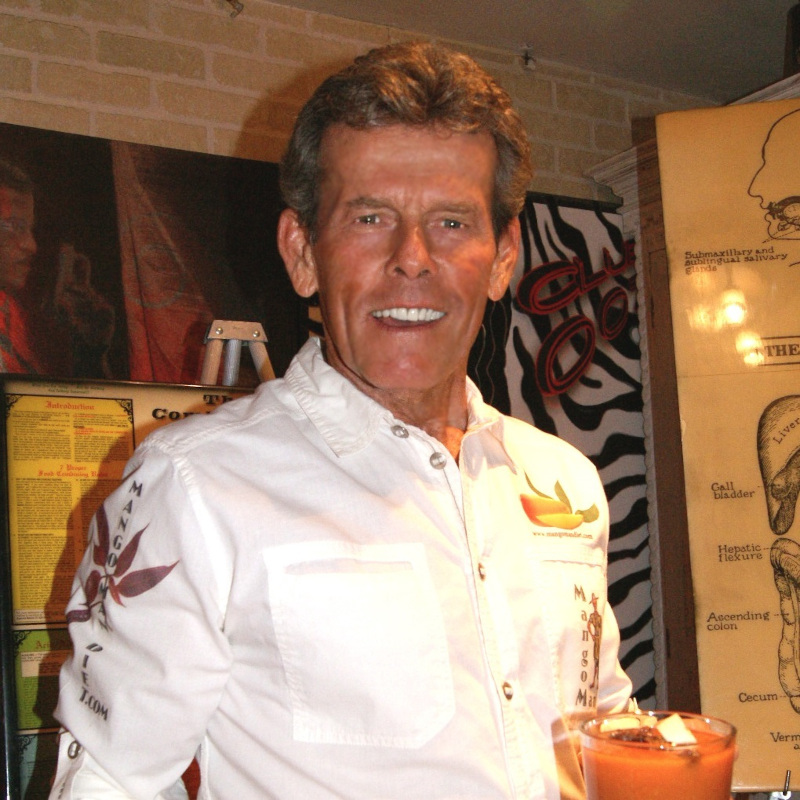
Wayne Pickering, widely known in the mango community as The Mango Man, was a nutrition educator and fruit enthusiast whose name is associated with the Pickering mango selected by Walter Zill. The person and the cultivar are related historically but are not interchangeable subjects: claims about the tree's performance should be checked against cultivar information rather than inferred from a biography. Mango Database's tribute discusses his community connection. Personal recollections should be identified as recollections, without treating an unverified quotation or date as an established scientific fact.
Read the Mango Database tribute
A windbreak is a planted or constructed barrier intended to reduce wind exposure. Near mangoes it can lessen physical stress and rubbing damage, but placement and density matter because an overly solid or close barrier can create turbulence, shade, or competition. It does not make a storm-vulnerable tree completely safe or compensate for poor branch structure. Plan for the mature size of both the mangoes and the barrier, preserving airflow and access while reducing the most damaging winds.
WTB means Want To Buy in marketplace and collector posts. A mango grower may use it when seeking a named grafted tree, scion wood, or fruit, but should specify what form of material is wanted. Include location and delivery constraints, and ask for clear identification and propagation details before agreeing to a purchase. Seeds collected from a named mango do not necessarily produce that same cultivar, so a WTB request should distinguish seedlings from verified grafted plants.
WTS means Want To Sell, a marketplace abbreviation indicating that a grower intends to offer an item for purchase. In mango groups the item could be fruit, a tree, seed, or scion wood, so readers need more detail than the abbreviation. A responsible listing states cultivar identity, propagation method, size or quantity, and collection or shipping arrangements. Do not infer disease freedom, legal movement permission, or true-to-type seed propagation simply from a seller's WTS label.
WTT means Want To Trade, a shorthand used when a grower wants to exchange plants or propagation material. In mango collecting, useful listings state both what is available and what is sought, together with the source and condition of the material. Cultivar labels, plant-health rules, and shipping requirements matter even when no money changes hands. Keep separate records for each scion and exchange, because an attractive trade is not worthwhile if identity or disease status is uncertain.