This site contains affiliate links for which we may be compensated.

Mango Database
Mangoes in a sunlit tropical orchard

Mango Glossary

Understand the language of mango growing, one term at a time.

Explore Mango Terminology

Browse definitions and growing concepts to expand your mango knowledge.

Showing 8–14 of 155 terms

Graft Wrapping

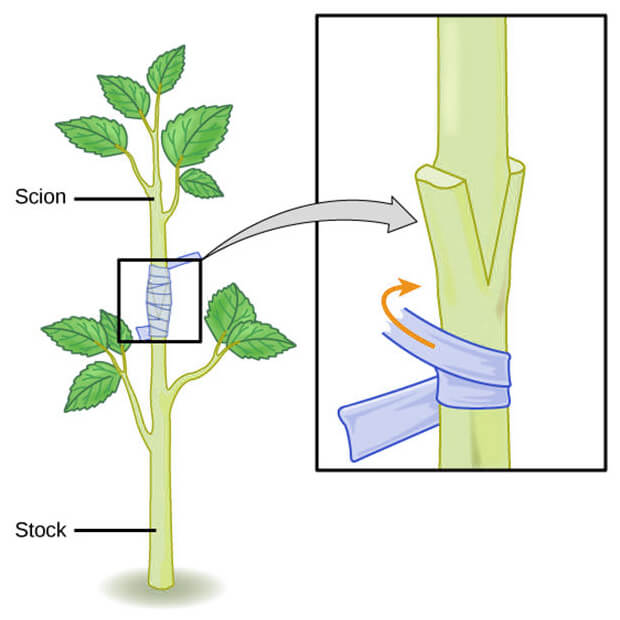
Graft wrapping uses suitable material to secure and protect a newly joined scion and rootstock. Depending on the material and technique, it can maintain contact and reduce drying around exposed cuts. A wrap that remains tight as a mango stem expands can also constrict growth. Inspect the union during aftercare and follow the material's intended removal or release procedure. Wrapping is a support measure, not a replacement for sound plant material, clean cuts, and proper tissue alignment.

Materials differ in elasticity, permeability, and how they deteriorate outdoors. Those differences influence aftercare, especially as stems expand. Keep the wrapping material and inspection dates in a propagation record, and examine the union itself before assuming that a wrap has loosened appropriately or that the tissues underneath remain sound.

Further reading: University of Missouri: Plant Propagation.
Read more about Graft Wrapping
Grafting

Grafting

Grafting is the process of joining living plant parts so their tissues heal together. Mango growers use it to reproduce a selected cultivar on a rootstock instead of relying on genetically variable seedlings. Success depends on compatible material, close contact between cambial regions, suitable growing conditions, and protection from drying and movement. Methods include veneer, cleft, and approach grafting. The best choice depends on stem size and local practice; no method makes unhealthy or mislabeled scion wood reliable.

Read the mango grafting FAQ

Successful grafting has both a construction stage and an establishment stage. A carefully fitted cut can still fail if the joined pieces move or dry before connections develop. Record subsequent growth and union condition as well as the initial operation, so comparisons between methods include aftercare rather than only the shape of the cuts.

Read more about Grafting

Soft Nose

Soft nose is a mango internal disorder characterized by excessive softening near the fruit's blossom end or tip, sometimes with discoloration or spongy tissue. It differs in location and appearance from ordinary uniform ripening and from decay starting at the stem end. Several factors can be involved in fruit breakdown, so an association with nutrition is not a diagnosis of one specific deficiency. Inspect cut fruit and handling history before deciding whether a crop or storage practice needs adjustment.

The blossom end is opposite the stem attachment, so orientation matters when documenting the defect. Photograph the whole cut fruit and the affected region rather than an isolated piece of soft flesh. Distinguish tissue breakdown from a localized bruise that happened to occur near the tip during picking or transport.

Read more about Soft Nose

Veneer Grafting

Veneer grafting joins a prepared scion to a shallow cut along the side of a rootstock stem. It is used in mango propagation because it can provide a useful area of tissue contact without immediately removing the entire rootstock top. Accurate cuts, suitable stem maturity, and prevention of drying are important. The remaining stock growth is managed as the graft establishes. Success rates depend on material, weather, and skill rather than a method name alone.

The technique makes a relatively shallow fitting surface on the stock and a corresponding cut on the scion. The exact dimensions depend on the stems being joined. Its success is best documented by tissue condition, secure contact, and subsequent development, rather than by how closely an operation resembles a photograph of another grower's cuts.

Read more about Veneer Grafting

Whip Grafting

Whip grafting joins scion and rootstock using matching sloping cuts, usually on material of similar diameter. Close tissue contact and secure support are important; the related whip-and-tongue method adds interlocking cuts. Mango propagators may use different grafting methods according to material and conditions, so whip grafting should not be treated as universally preferable. Practice safe cutting on expendable material first, and distinguish mechanical attachment from the living union that must subsequently develop.

Matching diameters make fitted contact easier, but apparent outer alignment does not guarantee alignment of the relevant living tissues. Bark thickness and cut quality still matter. Compare the technique with the available material and the intended aftercare, rather than assuming that a mechanically neat joint is already a functioning vascular connection.

Further reading: University of Missouri: Plant Propagation.
Read more about Whip Grafting
Aamras

Aamras

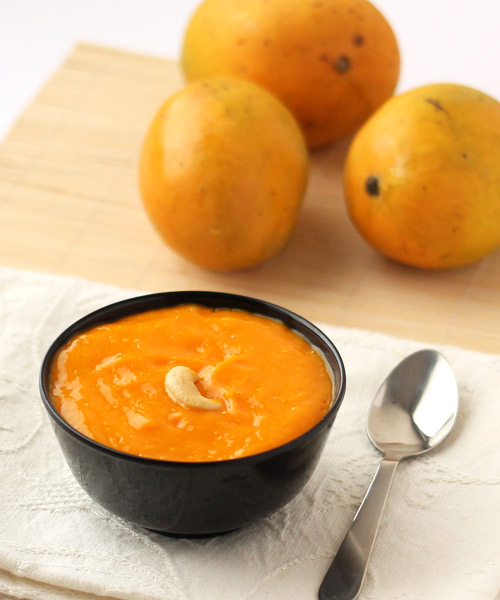
Aamras is a preparation of ripe mango pulp associated with western Indian food traditions, particularly in Maharashtra and Gujarat. It is commonly eaten with breads such as puri or served as a sweet accompaniment, with seasoning and added ingredients varying by household and region. It illustrates that mango eating quality includes how fruit performs in food, not only a fresh-fruit tasting score. Use ripe, sound fruit and clean preparation methods; pulp still requires appropriate food handling and storage after preparation.

The dish's texture can depend on the mango flesh and whether fibers are strained out. Culinary descriptions should distinguish the traditional preparation being discussed from a particular household adaptation. A photograph of a smooth puree does not identify the cultivar used, and a recipe should not imply that its proportions were personally tested unless they were.

Read more about Aamras
Abscission Layer

Abscission Layer

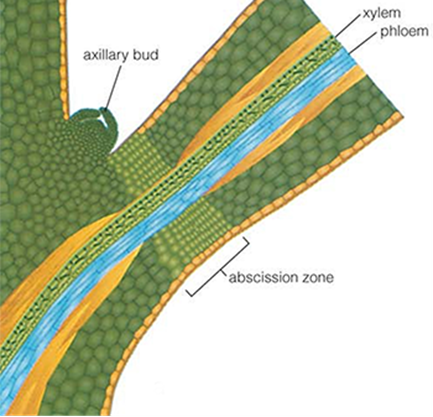
An abscission layer is a specialized zone of cells where a plant part can separate from the plant. In mango fruit drop, changes at the fruit attachment allow flowers or fruitlets to detach as part of normal development or in response to stress. Some early drop is expected because the tree cannot mature every flower into fruit. Excessive losses need context: crop stage, pollination, disease, water supply, and weather may all matter. The existence of an abscission zone does not identify a single cause of drop.

Separation occurs at an organized attachment zone rather than necessarily through random tearing. Flower and fruitlet losses can change rapidly as a crop develops. Counting retained fruit on marked clusters at consistent intervals helps distinguish a normal decline from an unusually concentrated drop associated with a specific weather or management event.

Read more about Abscission Layer