This site contains affiliate links for which we may be compensated.

Mango Database
Mangoes in a sunlit tropical orchard

Mango Glossary

Understand the language of mango growing, one term at a time.

Explore Mango Terminology

Browse definitions and growing concepts to expand your mango knowledge.

Showing 176–182 of 197 terms
Stone Fruit (generated editorial illustration)

Stone Fruit

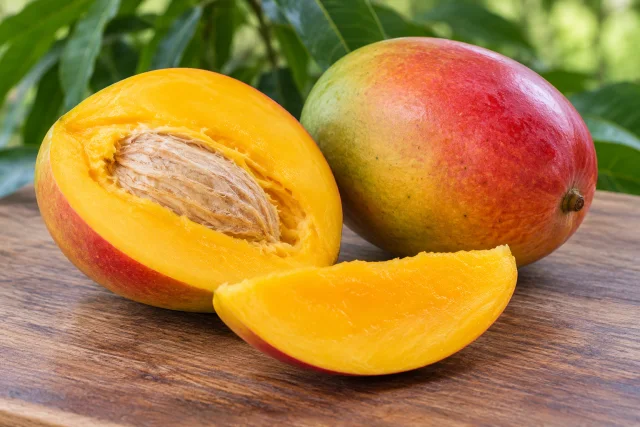
Stone fruit is a common name for a drupe, a fruit with a fleshy outer portion surrounding a hardened inner layer. Mango fits this botanical arrangement: the tough stone encloses the seed, and the edible flesh surrounds it. The stone and the seed inside are not strictly the same structure. This distinction is useful when germinating mangoes, because removing a fibrous husk exposes a seed that still needs gentle handling and suitable growing conditions.
Read more about Stone Fruit
Sunburn (generated editorial illustration)

Sunburn

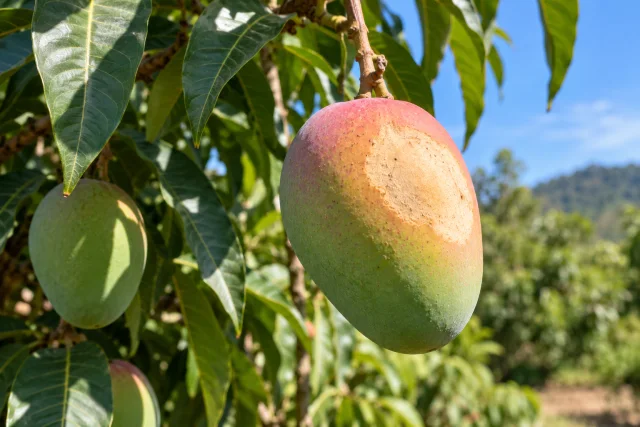
Sunburn is damage caused by excessive sunlight and associated heat on plant tissue. Mango fruit or bark previously shaded by foliage can be vulnerable after sudden heavy pruning, and newly moved nursery leaves can scorch after abrupt exposure. The damage can resemble other blemishes, so consider when exposure changed. Prevent unnecessary sudden canopy removal and acclimate sheltered plants gradually. A sunburned area does not turn back into healthy tissue simply because fertilizer is applied.

Read more about Sunburn

SWD

SWD stands for spotted wing drosophila, Drosophila suzukii, a small vinegar fly best known as a pest of certain thin-skinned fruits. It should not be used as a catch-all name for every fly around ripe mangoes. Other drosophilid flies often gather at damaged or fermenting fruit, while different fruit-fly groups can be regulated mango pests. Identification and local host information matter before choosing traps, interpreting fruit damage, or making a quarantine or pesticide decision.

Read more about SWD
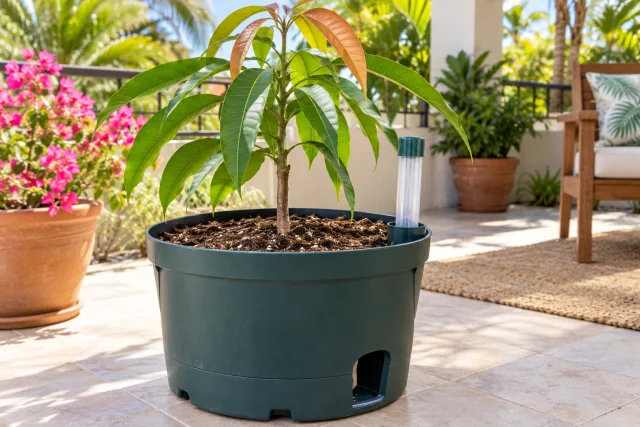
SWP (generated editorial illustration)

SWP

SWP means self-watering planter, a general name for a container with a water reservoir or another automatic water-delivery arrangement. Many designs are also sub-irrigated planters, but the label does not guarantee suitability for a mango. Root aeration, an effective overflow, adequate container volume, and monitoring remain important. Fertilizer salts can accumulate if water repeatedly moves upward without periodic appropriate leaching. Adjust operation to the tree's water use instead of keeping the reservoir full in all seasons.

Read more about SWP
Terminal Bud (generated editorial illustration)

Terminal Bud

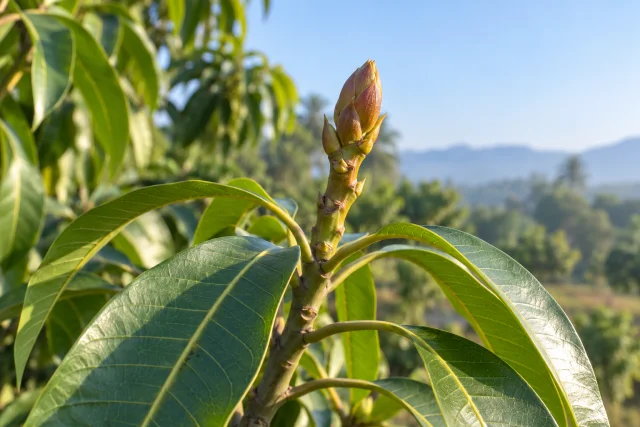
A terminal bud is located at the end of a shoot. Mango terminal growth is important because many flower panicles develop at shoot tips after the shoots reach an appropriate state. Removing those tips at the wrong time can remove potential bloom sites or stimulate new leaves instead. Observe whether the terminal is resting, producing leaves, or developing a panicle before pruning, and relate that observation to local flowering patterns rather than using one worldwide calendar.

Read more about Terminal Bud

Thrips

Thrips are tiny insects that can feed on mango flowers, young leaves, or developing fruit, depending on the species. Feeding may leave scarring or distorted tissue, but the symptoms can resemble damage from other causes. Not every thrips found on a plant is equally harmful, and insects in flowers should be identified before action. Monitor fresh injury and crop stage, consider natural enemies, and avoid assuming that a broad spray during bloom is justified by the presence of any small insect.

Read more about Thrips
Titratable Acidity (generated editorial illustration)

Titratable Acidity

Titratable acidity is an analytical measure of acid content obtained by neutralizing a sample under a defined method. In mango quality assessment it helps describe the acid side of the sweetness-acidity balance and is different from pH. Two juices can have similar pH yet different titratable acidity and perceived sourness. Use consistent methods when comparing batches, and interpret the result with soluble solids and sensory observations rather than assuming the least acidic fruit must taste best.

Read more about Titratable Acidity