
This site contains affiliate links for which we may be compensated.

Mango Database
Mangoes in a sunlit tropical orchard

Mango Glossary

Understand the language of mango growing, one term at a time.

Explore Mango Terminology

Browse definitions and growing concepts to expand your mango knowledge.

Showing 169–175 of 197 terms
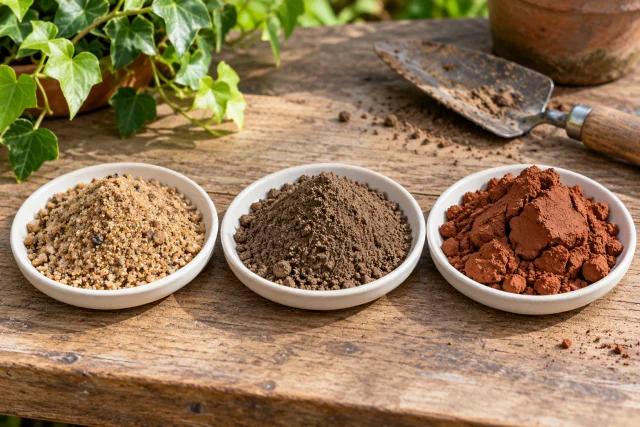
Soil Texture (generated editorial illustration)

Soil Texture

Soil texture describes the relative proportions of sand, silt, and clay in the mineral soil. It influences water storage, drainage, nutrient retention, and how a mango's root zone behaves after irrigation. Texture is different from structure and cannot be permanently changed by a small addition of compost. Use it to interpret moisture observations and test results, but inspect actual drainage too: a sandy surface can still overlie a compacted or poorly draining layer.
Read more about Soil Texture

Sooty Mold

Sooty mold is a dark fungal coating that grows on sticky honeydew deposited by certain sap-feeding insects. On mangoes it can cover leaves, twigs, or peel without being the same disease as anthracnose. Heavy coverage can reduce light reaching leaves and make fruit unattractive. Inspect for scale insects, mealybugs, or other honeydew producers and consider ant activity. Managing the source of honeydew is generally more useful than repeatedly trying to remove the black coating without addressing the insects.

Read more about Sooty Mold
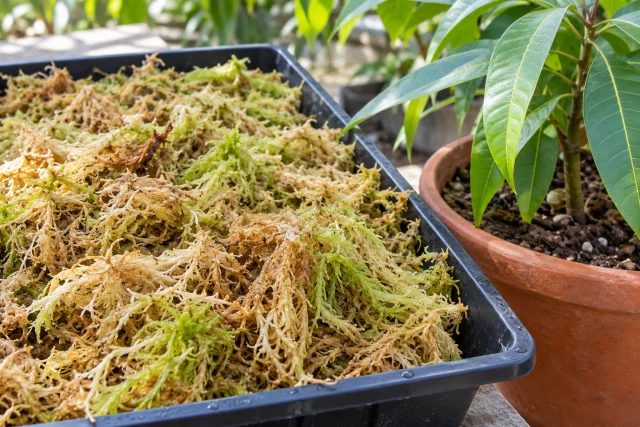
Sphagnum Moss (generated editorial illustration)

Sphagnum Moss

Sphagnum moss is the recognizable, long-fibered material harvested from sphagnum growth and often sold dried. It is different from the more decomposed, fine-textured material sold as peat moss, so check the actual material rather than relying only on a product name. Growers use sphagnum for moisture retention in some propagation setups, but wet moss packed too tightly can limit oxygen. It does not make mango cuttings easy to root or replace a complete, well-aerated potting medium for long-term tree growth.

Read more about Sphagnum Moss

Spider Mites

Spider mites are small plant-feeding arachnids rather than insects. On mango foliage, feeding can cause stippling, bronzing, or declining leaf quality, sometimes with fine webbing when populations are high. Dust, plant stress, and disruption of natural enemies can affect outbreaks. Inspect leaf undersides with magnification if possible and distinguish pest mites from predatory mites. A pale or dry-looking leaf is not enough for diagnosis, and routine broad insecticide use can sometimes worsen mite problems by removing beneficial predators.

Read more about Spider Mites

Spongy Tissue

Spongy tissue is an internal mango quality disorder in which part of the flesh develops an abnormal, often pale or corky texture instead of normal ripening. It may be hidden beneath a reasonably normal peel. The term describes the tissue condition and is not proof of a particular pathogen or a single cause in every cultivar. Assess maturity, temperature history, and the distribution of affected fruit, and avoid presenting extra fertilizer or an unverified spray as a guaranteed cure.

Read more about Spongy Tissue

Stem-End Rot

Stem-end rot is decay that begins around the stalk attachment of harvested fruit and may extend into the flesh during ripening. Several fungi can be involved in mangoes, including species associated with latent infections and wounded tissue. Sound-looking fruit at harvest can therefore develop symptoms later. Gentle handling, appropriate sanitation, and suitable storage help reduce losses, but the name alone does not identify the exact organism. Do not confuse normal sap staining with progressive soft decay around the stem.

Read more about Stem-End Rot

Stigma

The stigma is the receptive surface of a flower's female reproductive structure where pollen can land and begin the process leading to fertilization. In a mango's bisexual flower, its condition and receptivity are part of successful reproduction. Seeing pollen on a flower does not prove that a compatible pollen tube has reached an ovule. The term is useful when understanding pollination, but ordinary growers usually gain more from protecting flower health and insect visitors than from attempting to inspect every tiny stigma.

Read more about Stigma