This site contains affiliate links for which we may be compensated.

Mango Database
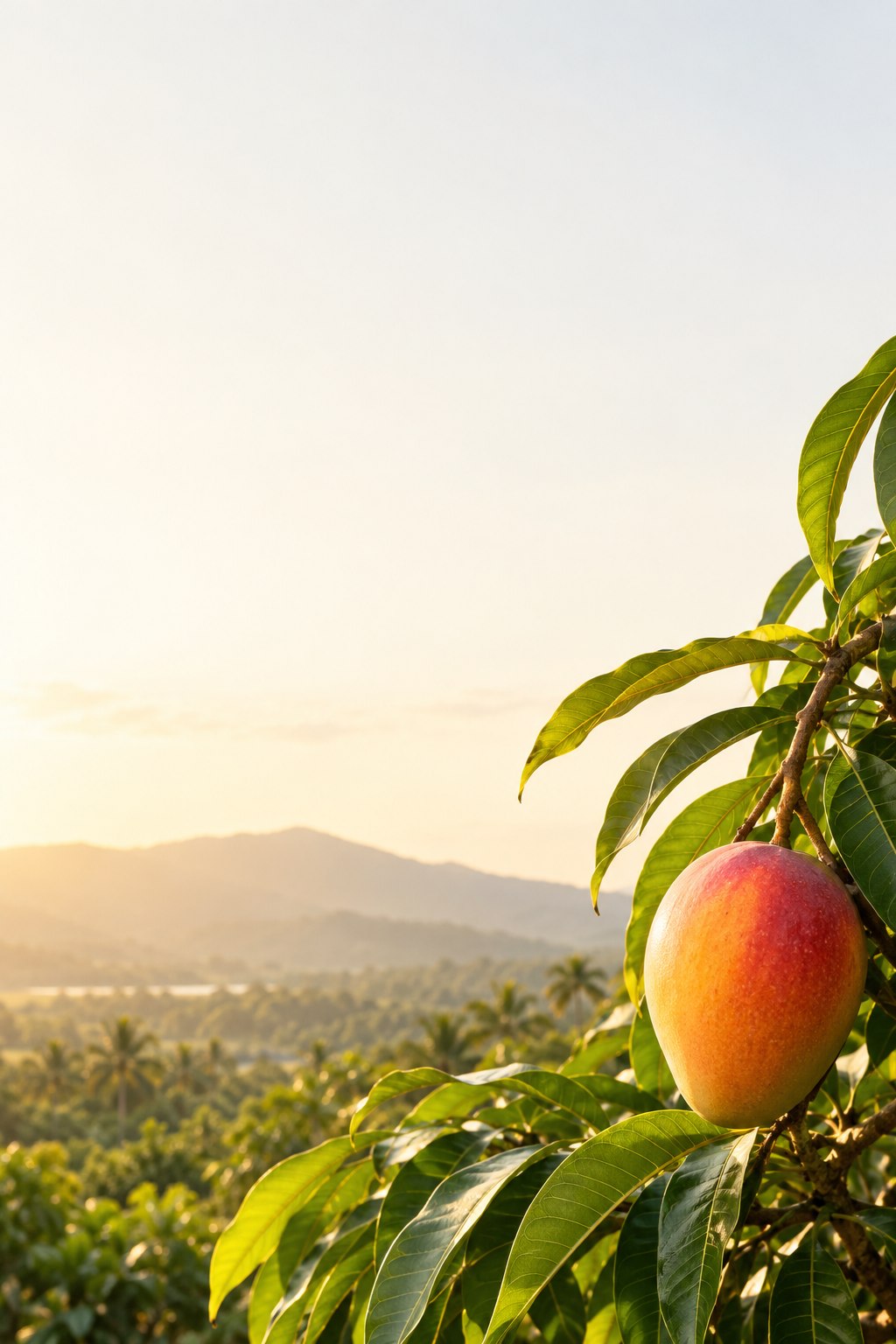
Mangoes in a sunlit tropical orchard

Mango Glossary

Understand the language of mango growing, one term at a time.

Explore Mango Terminology

Browse definitions and growing concepts to expand your mango knowledge.

Showing 99–105 of 197 terms

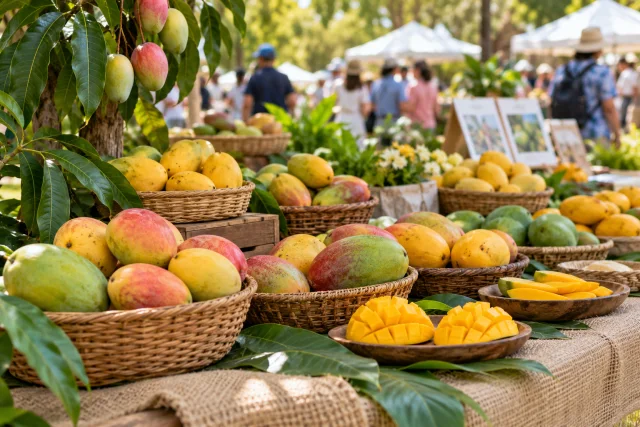
Mango Auction

A mango auction is a sale in which buyers bid for fruit, plants, or other mango-related items under stated terms. Some auctions emphasize exceptional presentation or rarity, while local events may serve ordinary fundraising or grower exchanges. A headline price is not a reliable estimate of typical market value, flavor, or production cost. When comparing auction reports, check what was sold, the quantity, grading, and purpose of the event rather than treating a promotional sale as a universal price for that cultivar.
Read more about Mango Auction

Mango Belt

Mango belt is an informal expression for a region where climate, growing tradition, and agricultural activity support substantial mango production. It is not one official worldwide boundary or a guarantee that every site within a named region suits mangoes. Elevation, frost pockets, drainage, rainfall timing, and local markets can differ sharply over short distances. For a planting decision, investigate the actual property and nearby tree performance rather than relying only on a broad regional nickname.

Read more about Mango Belt
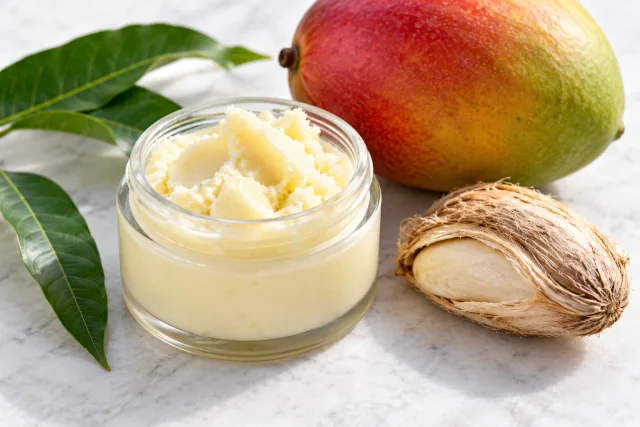
Mango Butter (generated editorial illustration)

Mango Butter

Mango butter is a fat obtained from mango seed kernels and used as an ingredient in some cosmetic formulations. It is different from mango pulp, mango juice, or a fruit-flavored spread, and its properties depend on processing and formulation. A cosmetic ingredient should not be presented as a proven treatment for skin disease merely because it is plant-derived. Read the product's intended use and ingredients, and do not assume a cosmetic-grade material is suitable for eating or home food preparation.

Read more about Mango Butter
Mango Byproduct (generated editorial illustration)

Mango Byproduct

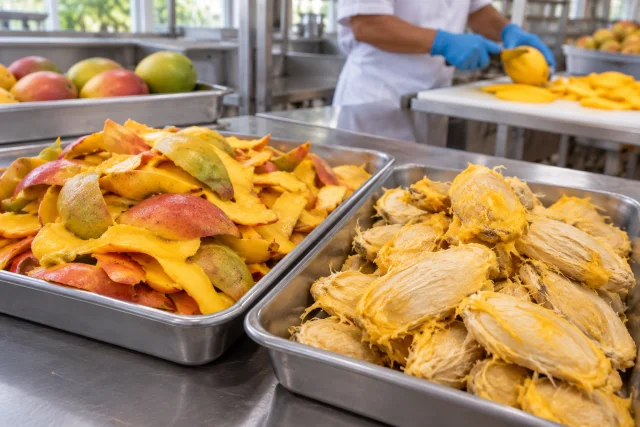
A mango byproduct is a secondary material or product associated with mango production and processing. Peels, stones, and seed kernels can become byproducts when flesh is processed; other products may be made deliberately from whole or surplus fruit. Possible uses depend on sanitation, processing, quality specifications, and applicable regulations, so waste material is not automatically food or livestock feed. The term is useful when discussing waste reduction, but each proposed use needs its own safety and economic assessment.

Read more about Mango Byproduct
Mango Festival (generated editorial illustration)

Mango Festival

A mango festival is an event organized around mango fruit, growing, food, or regional culture. Activities may include tastings, cultivar displays, nursery sales, demonstrations, and grower talks. Such events offer a useful opportunity to compare properly identified fruit, but a tasting sample represents one batch at one ripeness stage rather than every tree of a cultivar. Record names and sources carefully when purchasing plants, and keep ordinary plant-health and transport rules in mind even when material is bought at a festival.

Read more about Mango Festival

Mango Flowering Cycle

The mango flowering cycle is the sequence leading from suitable mature shoots through flower initiation, panicle emergence, bloom, and early fruit development. Timing responds to climate, shoot age, cultivar, and tree condition, so the same calendar is not valid worldwide. A shoot that is still actively producing leaves may not be ready to flower when nearby mature shoots do. Record local patterns over several seasons and consider pruning and growth timing rather than trying to trigger flowering with one universal treatment.

Read more about Mango Flowering Cycle

Mango Malformation Disease

Mango malformation disease produces abnormal, compact growth in shoots or flower clusters and is associated with Fusarium pathogens, including Fusarium mangiferae. Affected panicles may be thickened, crowded, and poorly fruitful instead of developing normally. Similar-looking growth needs careful identification because not every distorted shoot has the disease. Avoid using suspect trees as sources of propagation material, seek local diagnostic advice, and manage affected material according to local guidance rather than moving it between collections.

Read more about Mango Malformation Disease