This site contains affiliate links for which we may be compensated.

Mango Database
Mangoes in a sunlit tropical orchard

Mango Glossary

Understand the language of mango growing, one term at a time.

Explore Mango Terminology

Browse definitions and growing concepts to expand your mango knowledge.

Showing 113–119 of 197 terms
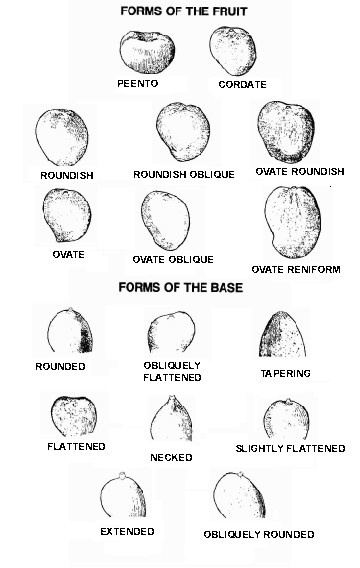
Node (generated editorial illustration)

Node

A node is a point on a stem where a leaf or leaves attach and where associated buds may occur. Nodes help a grower describe mango shoot structure and locate potential new growth. They are different from the internodes between them. When making training or propagation cuts, recognize the actual bud and tissue condition instead of assuming every mark on the bark will produce a shoot. Damaged or inactive buds may not respond as expected after pruning.
Read more about Node

Noob

Noob is informal internet slang for a newcomer. In mango discussions it describes a person's experience level, not a type of tree or a technical growing method. A beginner can get more useful help by describing the tree's location, age, propagation method, pot or soil conditions, and symptoms, preferably with clear photographs. The label should not discourage questions: basic checks such as drainage, light, and root-ball moisture often matter more than complicated treatments when learning to grow mangoes.

Read more about Noob

NPGS

NPGS stands for National Plant Germplasm System, a collaborative US system that conserves plant genetic resources for agriculture. Its work includes acquiring, documenting, evaluating, maintaining, and distributing germplasm for appropriate research and improvement uses. Mango accessions in living collections help preserve material that cannot simply be replaced by a packet of ordinary seed. Collection records are valuable for identity research, but an accession's presence does not establish unrestricted public availability or guarantee performance in every growing region.

Read more about NPGS

Nubbin

Nubbin is a grower's term for an unusually small mango, often associated with an absent or poorly developed seed. It describes the resulting fruit rather than proving a single cause such as lack of insects or a particular weather event. Some nubbins can persist on a tree while normal fruit develops alongside them. Cut representative fruit when investigating the problem and consider flowering conditions and seed development before deciding that all small mangoes reflect insufficient fertilizer or a new cultivar.

Read more about Nubbin

Nucellar Embryony

Nucellar embryony is embryo formation from maternal nucellus tissue rather than from a fertilized egg. It explains why a polyembryonic mango seed can contain embryos genetically matching the mother tree alongside a sexually produced embryo. The term identifies the embryo's origin, whereas polyembryony describes the presence of multiple embryos. Do not select a supposed nucellar seedling solely by its size or emergence order; those visible features are not a dependable identity test for every seed.

Read more about Nucellar Embryony

Organic Mango

Organic mango refers to fruit produced under an organic farming system; a certified claim must meet the rules of the relevant certification program. Organic does not simply mean that nothing was sprayed, and some approved pest-management inputs may still be used. Certification concerns production and handling practices rather than guaranteeing superior flavor or freedom from every residue. A home grower can describe actual methods without implying certification, and should still identify pests, protect pollinators, and follow applicable product labels.

Read more about Organic Mango
Ovate

Ovate

Ovate means egg-shaped in botanical descriptions: broader below the middle and narrowing toward the opposite end. In mango records it can describe an outline, especially a leaf or a fruit viewed in a stated orientation. Note which end is the stem end before comparing photographs, because camera angle can make shapes misleading. The term documents appearance rather than proving cultivar identity, sweetness, or flesh yield. Use it alongside seed, skin, flavor, growth habit, and provenance observations.

Read more about Ovate