This site contains affiliate links for which we may be compensated.

Mango Database
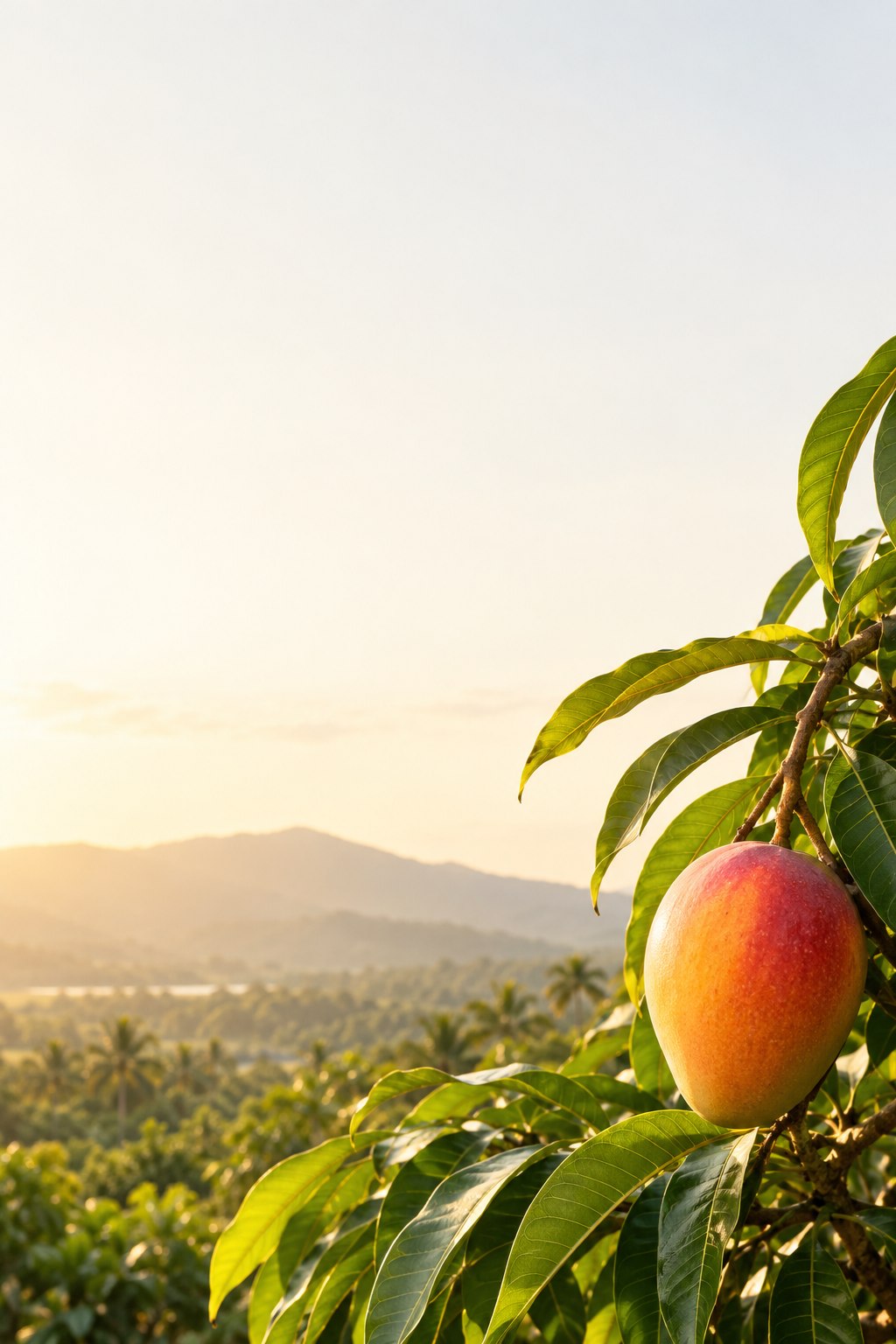
Mangoes in a sunlit tropical orchard

Mango Glossary

Understand the language of mango growing, one term at a time.

Explore Mango Terminology

Browse definitions and growing concepts to expand your mango knowledge.

Showing 127–133 of 197 terms

Phenotype

Phenotype is the set of observable characteristics of an organism resulting from its genotype interacting with its environment. Mango fruit size, skin appearance, growth habit, and seasonal performance are examples that can vary with growing conditions. Two trees with the same scion genotype may therefore look somewhat different in different locations. When identifying a cultivar or comparing selections, use multiple observations and reliable provenance rather than assuming one photograph or one unusual crop establishes genetic difference.
Read more about Phenotype

Physiological Disorder

A physiological disorder is an abnormal plant or fruit condition arising from developmental or environmental processes rather than an infectious pathogen. Mango internal breakdown, chilling injury, and some nutrient-related problems fall within this broad category. The distinction matters because a fungicide cannot correct every blemish or internal defect. Different causes can produce overlapping appearances, and damaged tissue may later decay. Examine timing, handling history, and representative fruit before assigning a cause or recommending a treatment.

Read more about Physiological Disorder

Phytosanitary Certificate

A phytosanitary certificate is an official plant-health document issued by an authorized national plant-protection organization for specified consignments and requirements. In mango trade it may relate to fruit, nursery plants, or propagation material, depending on the destination and commodity. It is not the same as an organic certificate, a nursery label, or a guarantee of flavor. Check current destination rules before shipping, because a private seller's assurance cannot replace an official document or an approved treatment requirement.

Read more about Phytosanitary Certificate
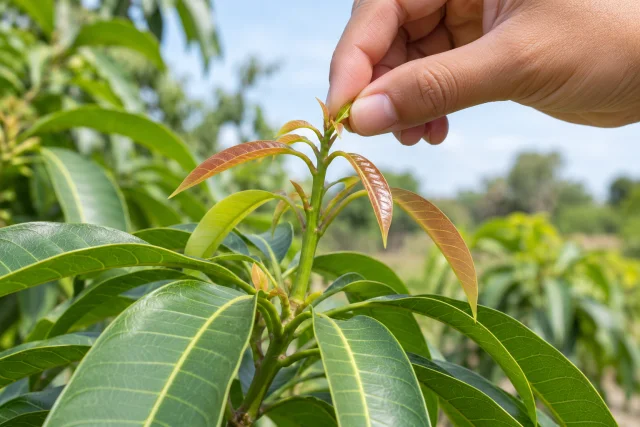
Pinch (generated editorial illustration)

Pinch

To pinch is to remove the soft growing tip of a shoot, usually with fingers or a small clean tool. On a young mango, this can reduce apical dominance and encourage side branches, helping form a manageable framework. Timing matters: repeated tip removal delays shoot maturity and can remove future flowering sites. Pinching is a small training cut, not a substitute for structural pruning, and should be avoided when a weak or newly stressed tree needs foliage to recover.

Read more about Pinch

Piney Flavor

Piney flavor describes a resinous, pine-like, or sometimes turpentine-like note perceived in mango aroma and taste. It is a sensory description, not automatically evidence of contamination, immaturity, or an inferior cultivar. The strength and balance of aromatic notes vary with the fruit and its ripeness, and people differ in their preferences. Compare sound fruit at a suitable eating stage, and distinguish a normal resinous note from sour fermentation, mold, or another sign that a fruit should not be eaten.

Read more about Piney Flavor
PITA

PITA

PITA is informal slang meaning Pain In The Ass or Pain In The Arse. Growers use it to express frustration with a difficult pest, maintenance job, or growing problem; it is not a diagnosis or a recognized mango disorder. When reading advice, separate that expression from evidence about the actual problem. Useful descriptions identify the symptom, affected plant part, timing, and growing conditions, because a colorful label alone cannot tell a grower what action is appropriate.

Read more about PITA

Plashing

Plashing is an older term associated with interlacing or laying branches in hedge work and is sometimes used alongside pleaching. It does not describe a separate mango propagation method. Interwoven mango branches can rub, shade one another, or create difficult picking conditions, so the technique should not be confused with deliberate grafting. A grower wanting several cultivars on one tree needs compatible grafts and balanced branch management rather than merely weaving different trees together.

Read more about Plashing