Sunburn is damage caused by excessive sunlight and associated heat on plant tissue. Mango fruit or bark previously shaded by foliage can be vulnerable after sudden heavy pruning, and newly moved nursery leaves can scorch after abrupt exposure. The damage can resemble other blemishes, so consider when exposure changed. Prevent unnecessary sudden canopy removal and acclimate sheltered plants gradually. A sunburned area does not turn back into healthy tissue simply because fertilizer is applied.
SWD stands for spotted wing drosophila, Drosophila suzukii, a small vinegar fly best known as a pest of certain thin-skinned fruits. It should not be used as a catch-all name for every fly around ripe mangoes. Other drosophilid flies often gather at damaged or fermenting fruit, while different fruit-fly groups can be regulated mango pests. Identification and local host information matter before choosing traps, interpreting fruit damage, or making a quarantine or pesticide decision.
SWP means self-watering planter, a general name for a container with a water reservoir or another automatic water-delivery arrangement. Many designs are also sub-irrigated planters, but the label does not guarantee suitability for a mango. Root aeration, an effective overflow, adequate container volume, and monitoring remain important. Fertilizer salts can accumulate if water repeatedly moves upward without periodic appropriate leaching. Adjust operation to the tree's water use instead of keeping the reservoir full in all seasons.
A terminal bud is located at the end of a shoot. Mango terminal growth is important because many flower panicles develop at shoot tips after the shoots reach an appropriate state. Removing those tips at the wrong time can remove potential bloom sites or stimulate new leaves instead. Observe whether the terminal is resting, producing leaves, or developing a panicle before pruning, and relate that observation to local flowering patterns rather than using one worldwide calendar.
Thrips are tiny insects that can feed on mango flowers, young leaves, or developing fruit, depending on the species. Feeding may leave scarring or distorted tissue, but the symptoms can resemble damage from other causes. Not every thrips found on a plant is equally harmful, and insects in flowers should be identified before action. Monitor fresh injury and crop stage, consider natural enemies, and avoid assuming that a broad spray during bloom is justified by the presence of any small insect.
Titratable acidity is an analytical measure of acid content obtained by neutralizing a sample under a defined method. In mango quality assessment it helps describe the acid side of the sweetness-acidity balance and is different from pH. Two juices can have similar pH yet different titratable acidity and perceived sourness. Use consistent methods when comparing batches, and interpret the result with soluble solids and sensory observations rather than assuming the least acidic fruit must taste best.
Topworking changes the cultivar carried by an established tree by grafting selected scions onto suitable branches or regrowth. On mangoes it can replace an unsatisfactory selection or create a multi-cultivar tree without starting with a new root system. The operation needs planning for branch structure, exposed bark, vigorous competing shoots, and the balance of new grafts. Large cuts and heavy canopy removal create risks, so an established tree should not be stripped indiscriminately in pursuit of a quicker crop.
Traceability is the ability to follow a product or plant material through documented stages of its history. Mango fruit records may connect an orchard block, harvest date, packing batch, and customer, while nursery records can connect a graft to its scion source and rootstock batch. Useful traceability requires labels and records that remain linked as material moves. It supports investigation and quality control but does not independently prove a cultivar claim or replace inspection for pests and disease.
Transplant shock is a temporary setback following movement or planting, often caused by disturbed roots, changed water supply, and a sudden change in exposure. A mango may wilt, drop leaves, or pause growth even when it has not acquired a new disease. Keep the original root ball appropriately moist while avoiding waterlogging and protect the tree from extreme conditions. Heavy fertilizer or drastic pruning is not an automatic cure; observe recovery and investigate persistent decline.
To up pot is to move a plant into a larger container so its roots have more room and fresh growing medium. For a mango, choose a container with effective drainage and avoid a very large jump that leaves unused medium wet for long periods. Preserve the original planting depth and handle the root ball carefully. Watering needs may change after the move, so check both the old root ball and the surrounding new mix rather than judging only the surface.
Up-pot is the hyphenated form of up pot, meaning to transplant a container-grown plant into a larger pot. Both spellings describe the same container-growing operation rather than a separate propagation technique. Mangoes need a stable container, drainage holes, and a growing medium that holds useful moisture without staying saturated. Repot in suitable growing weather where possible, protect disturbed roots from drying, and reassess irrigation while the tree establishes in the new volume.
USDA stands for United States Department of Agriculture, the federal department responsible for a broad range of agricultural programs. Mango growers may encounter USDA information through plant research, genetic-resource collections, agricultural statistics, organic certification programs, and plant-health services. Those responsibilities are carried out by different agencies and programs, so a reference to USDA is not automatically a recommendation or approval for a product. Check which program is involved when interpreting a cultivar record, import requirement, or certification claim.
Veneer grafting joins a prepared scion to a shallow cut along the side of a rootstock stem. It is used in mango propagation because it can provide a useful area of tissue contact without immediately removing the entire rootstock top. Accurate cuts, suitable stem maturity, and prevention of drying are important. The remaining stock growth is managed as the graft establishes. Success rates depend on material, weather, and skill rather than a method name alone.
Walter Zill is a Florida mango grower associated with the selection and propagation of mangoes, including the selection known as Pickering. His work belongs to the broader history of the Zill family's involvement with mango growing in South Florida. A named seedling selection becomes dependable nursery material through identification and vegetative propagation, not simply by sharing a family name. When researching this history, distinguish the person, the cultivar, and other family members rather than transferring a cultivar's growth or disease traits to every Zill selection.
View the Pickering variety
Waterlogging occurs when water fills soil pores for long enough to restrict air supply to roots. A mango may then wilt, grow poorly, or develop yellow leaves despite being surrounded by water. Repeated watering in response to those symptoms can make the situation worse. Examine drainage, planting depth, soil layers, and container outlets before adding fertilizer or more water. Recovery depends on the extent of root injury and correction of the cause, not simply on drying the leaf surface.

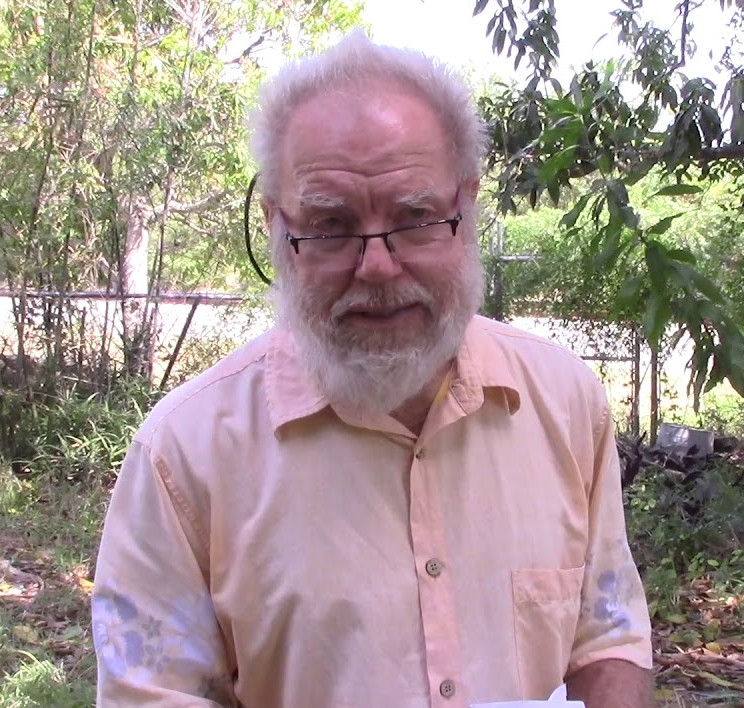
Wayne Pickering, widely known in the mango community as The Mango Man, was a nutrition educator and fruit enthusiast whose name is associated with the Pickering mango selected by Walter Zill. The person and the cultivar are related historically but are not interchangeable subjects: claims about the tree's performance should be checked against cultivar information rather than inferred from a biography. Mango Database's tribute discusses his community connection. Personal recollections should be identified as recollections, without treating an unverified quotation or date as an established scientific fact.
Read the Mango Database tribute