Genotype is the genetic constitution of an organism. A mango seedling formed through fertilization has its own genetic combination, whereas a grafted scion normally preserves the genotype of its source tree. Genotype is distinct from phenotype, the characteristics actually observed under particular conditions. Poor flavor from immature fruit or weak growth in a saturated pot does not by itself demonstrate that a correctly labeled graft has changed genetically. Identity questions need provenance and, where appropriate, more specialized evidence.

A geographical indication identifies a product whose origin is linked to a defined place and whose qualities, reputation, or characteristics are associated with that origin under an applicable legal system. In mango commerce it can distinguish a protected regional product from a cultivar name used elsewhere. Protection, labeling rules, and production specifications depend on the registration and jurisdiction. A geographical indication does not mean every fruit is identical, and a tree grown outside the defined area does not acquire the designation merely by sharing a cultivar name.
Germplasm is genetic material maintained or used for conservation, research, or breeding. In mangoes it can be represented by living trees, seeds, or other suitable plant material, accompanied by records that describe its identity and origin. A collection of many unlabeled trees is much less useful than a documented collection. Because seed propagation can change genotype and mango seed is not suited to conventional long-term dry storage, living collections and reliable vegetative propagation have particular importance.

GI is the abbreviation for geographical indication, a place-linked product designation used under particular legal frameworks. In mango discussions, it may refer to a protected regional product rather than to a botanical variety or a quality score. On commercial labels the abbreviation names the designation, not a separate horticultural attribute. Check the actual registered name and requirements before interpreting a GI claim; ordinary use of a famous region's name is not proof of certification.
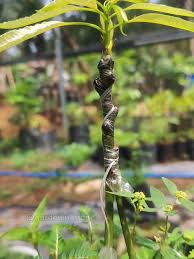
A graft is the union between a scion and a rootstock that allows them to grow as one plant. In mango, the scion supplies the named cultivar's above-ground growth, while the rootstock provides the root system and can influence vigor and adaptation. A graft is not a genetic blending of two varieties. Look for a healed, unconstricted junction when buying a tree, and remove unwanted shoots below it so rootstock growth does not replace the intended cultivar.
Graft compatibility is the ability of a scion and rootstock to form and maintain a functioning, durable union. It is different from the initial appearance of callus or bud growth: a join can begin growing yet later develop weakness or poor transport between the parts. For mango propagation, use suitable, healthy material and established combinations where information is available. Compatibility does not mean that the rootstock guarantees dwarfing, disease resistance, or cold tolerance for every scion and location.
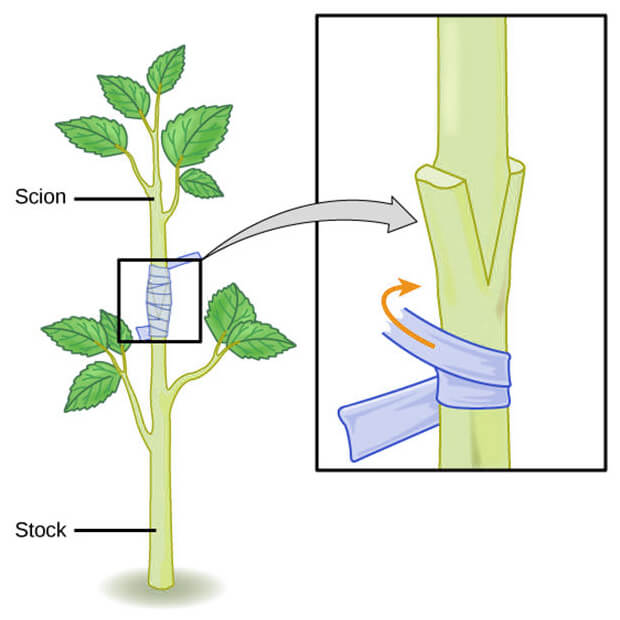
Grafting is the process of joining living plant parts so their tissues heal together. Mango growers use it to reproduce a selected cultivar on a rootstock instead of relying on genetically variable seedlings. Success depends on compatible material, close contact between cambial regions, suitable growing conditions, and protection from drying and movement. Methods include veneer, cleft, and approach grafting. The best choice depends on stem size and local practice; no method makes unhealthy or mislabeled scion wood reliable.
Read the mango grafting FAQ

GRIN stands for Germplasm Resources Information Network, the USDA information system supporting documentation of genetic resources. Plant records can include accession identifiers, taxonomy, collection history, and evaluation information relevant to mango research. It is a reference and collection-management resource, not a guarantee that every cultivar claim found elsewhere is correct or that plant material is available to every requester. Distinguish a documented accession from a commercial nursery name when investigating the identity or history of a mango.
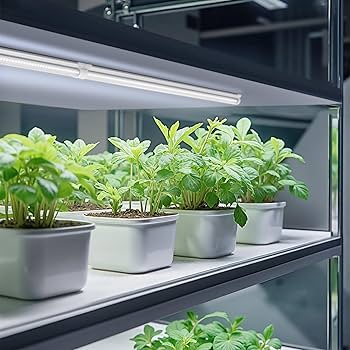
A grow light supplies artificial light for plant growth when daylight is inadequate. For container mangoes kept indoors during cold weather, useful performance depends on the light reaching the leaves, coverage, daily operating time, and distance from foliage, not just the lamp's advertised wattage. Increase exposure gradually and monitor heat and leaf response. Supplementary light can maintain a tree through winter, but it does not automatically provide the space, pollination, and environmental conditions needed for a dependable indoor crop.
Related products: grow lights
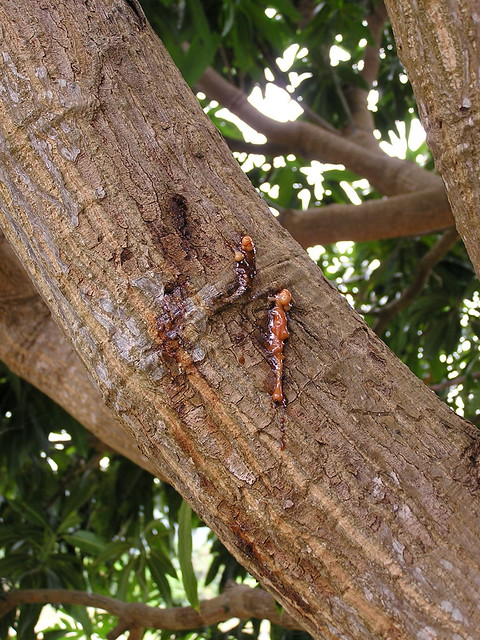
Gummosis is the exudation of gum-like material from damaged or stressed plant tissue, often visible on mango trunks or branches. It is a symptom rather than a single disease: injury, insects, infection, and environmental stress can produce similar appearances. Examine the site for wounds, boring holes, discoloration, and spreading dieback before deciding on management. Repeatedly cutting or coating the area without identifying the cause can worsen damage. A diagnostic assessment is more useful than assuming every gum deposit has the same treatment.

Haji Kalimullah Khan is an Indian horticulturist associated with mango growing in Malihabad, Uttar Pradesh, and widely recognized for maintaining many mango cultivars through grafting. His work illustrates the difference between placing existing cultivars on one tree and breeding a genetically new cultivar from seed. Different grafted branches retain their own identities rather than blending into a new fruit. When discussing his collection, avoid treating changing publicity counts or unusual fruit descriptions as verified botanical measurements without a documented source.
Hardening off is gradually acclimating a plant to more demanding conditions after it has grown in shelter. A nursery mango moved directly from shade to strong sun, wind, and lower humidity can lose leaves or scorch even if the species normally needs full sun. Increase exposure in stages while monitoring root-ball moisture and leaf response. This is environmental adjustment, not making a tropical tree permanently cold-hardy or a substitute for protecting it from frost.
Harvest maturity is the developmental state at which fruit is suitable for picking for its intended use and market. A mango destined to ripen off the tree needs sufficient development, but it may still be firm and not ready to eat. Skin color alone is unreliable across cultivars. Combine relevant local maturity indicators with experience of the tree, and distinguish harvest maturity from eating ripeness when discussing transport, shelf life, or disappointing flavor after picking.
Hedging is cutting the sides of a tree canopy or orchard row to control spread and maintain access. In mango production it can help manage row width and light distribution, but it also removes leaves and potential bearing shoots. Timing, severity, and the response of the particular trees determine the effect on later flowering. It is different from selective structural pruning and should not be treated as a reason to shear every backyard mango into a dense wall of foliage.
Honeydew is a sugary excretion produced by certain sap-feeding insects, including many mealybugs and soft scales. On mango leaves and fruit it can feel sticky, attract ants, and provide a surface food source for sooty mold. The mold is a consequence of the honeydew rather than proof that a fungus is attacking the leaf tissue internally. Trace the deposit to the insects producing it, and consider ant activity and natural enemies instead of repeatedly washing the surface without addressing the cause.
Hot water treatment is a controlled postharvest process in which mangoes are exposed to a specified water temperature for a specified time. Commercial protocols may target insect quarantine requirements or decay management, and the schedules are not interchangeable. Fruit size, maturity, equipment control, and the approved protocol affect safety and quality. Excess heat can scald fruit or disrupt ripening. It is not a general instruction to soak homegrown mangoes in hot water or a substitute for required phytosanitary certification.