A node is a point on a stem where a leaf or leaves attach and where associated buds may occur. Nodes help a grower describe mango shoot structure and locate potential new growth. They are different from the internodes between them. When making training or propagation cuts, recognize the actual bud and tissue condition instead of assuming every mark on the bark will produce a shoot. Damaged or inactive buds may not respond as expected after pruning.
Noob is informal internet slang for a newcomer. In mango discussions it describes a person's experience level, not a type of tree or a technical growing method. A beginner can get more useful help by describing the tree's location, age, propagation method, pot or soil conditions, and symptoms, preferably with clear photographs. The label should not discourage questions: basic checks such as drainage, light, and root-ball moisture often matter more than complicated treatments when learning to grow mangoes.
NPGS stands for National Plant Germplasm System, a collaborative US system that conserves plant genetic resources for agriculture. Its work includes acquiring, documenting, evaluating, maintaining, and distributing germplasm for appropriate research and improvement uses. Mango accessions in living collections help preserve material that cannot simply be replaced by a packet of ordinary seed. Collection records are valuable for identity research, but an accession's presence does not establish unrestricted public availability or guarantee performance in every growing region.
Nubbin is a grower's term for an unusually small mango, often associated with an absent or poorly developed seed. It describes the resulting fruit rather than proving a single cause such as lack of insects or a particular weather event. Some nubbins can persist on a tree while normal fruit develops alongside them. Cut representative fruit when investigating the problem and consider flowering conditions and seed development before deciding that all small mangoes reflect insufficient fertilizer or a new cultivar.
Nucellar embryony is embryo formation from maternal nucellus tissue rather than from a fertilized egg. It explains why a polyembryonic mango seed can contain embryos genetically matching the mother tree alongside a sexually produced embryo. The term identifies the embryo's origin, whereas polyembryony describes the presence of multiple embryos. Do not select a supposed nucellar seedling solely by its size or emergence order; those visible features are not a dependable identity test for every seed.
Organic mango refers to fruit produced under an organic farming system; a certified claim must meet the rules of the relevant certification program. Organic does not simply mean that nothing was sprayed, and some approved pest-management inputs may still be used. Certification concerns production and handling practices rather than guaranteeing superior flavor or freedom from every residue. A home grower can describe actual methods without implying certification, and should still identify pests, protect pollinators, and follow applicable product labels.
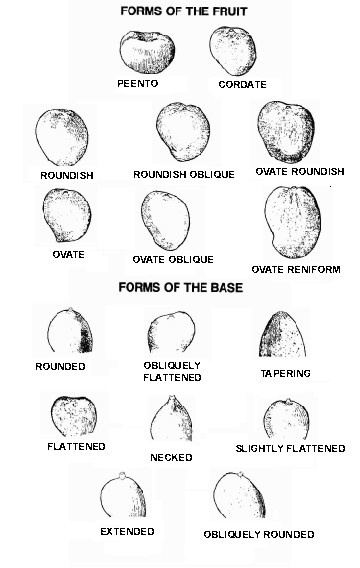
Ovate means egg-shaped in botanical descriptions: broader below the middle and narrowing toward the opposite end. In mango records it can describe an outline, especially a leaf or a fruit viewed in a stated orientation. Note which end is the stem end before comparing photographs, because camera angle can make shapes misleading. The term documents appearance rather than proving cultivar identity, sweetness, or flesh yield. Use it alongside seed, skin, flavor, growth habit, and provenance observations.
A packhouse is a facility where harvested produce is received and prepared for distribution. Mango operations may sort, clean, grade, treat where required, pack, and cool fruit there. The exact sequence depends on the market and approved procedures. Clean equipment, gentle handling, traceable batches, and suitable temperature management matter because a poorly managed packhouse can spread damage or decay between otherwise good fruit. It is a handling stage, not a guarantee that every packed mango has equal maturity or quality.
A panicle is a branched flower cluster. Mango panicles usually develop at shoot tips and carry many small flowers, including male flowers and flowers with both male and female structures. Only a small fraction normally become mature fruit, so numerous fallen flowers are not by themselves evidence of crop failure. Inspect the condition of the whole cluster, pollinator activity, weather, and developing fruitlets when judging flowering success rather than expecting every flower to produce a mango.
Parthenocarpy is fruit development without fertilization. It is a botanical process rather than a general name for all small or poorly developed fruit. Some mango fruit abnormalities involve absent or failed seed development, but outward appearance alone cannot establish exactly how they arose. Distinguish parthenocarpy from embryo abortion after fertilization and from simple growth limitation. The distinction is useful in breeding and diagnosis, while growers should avoid claiming that every seedless-looking fruit proves a tree is naturally seedless.
Peat moss is partly decomposed plant material accumulated in wetland peat deposits, commonly used as a moisture-retaining component of potting media. Sphagnum peat differs from the recognizable long strands sold as sphagnum moss. In a mango container it needs to be balanced with components that maintain air space; keeping a fine-textured peat mix constantly wet can stress roots. Very dry peat can be difficult to rewet, and it supplies little complete nutrition by itself.
A pedigree records the ancestry of a plant or breeding selection. For mango cultivars, the seed parent may be known while the pollen parent remains uncertain, especially when seed was collected from an open-pollinated tree. Historical accounts, labels, and genetic analyses provide different kinds of evidence and can disagree. State uncertainty clearly instead of turning a reported association into a proven cross. A cultivar's flavor or fruit shape alone is not a reliable pedigree test.
pH is a logarithmic measure of how acidic or alkaline a solution is, with 7 neutral under ordinary reference conditions. In mango growing, soil or potting-medium pH influences nutrient availability and helps explain problems such as iron deficiency in alkaline conditions. It does not measure how much fertilizer is present. Use an appropriate soil test and consider irrigation-water chemistry before adding acidifying or liming materials; changing pH blindly can create a different nutrient imbalance.
Phenology is the study and recording of recurring biological stages in relation to environmental conditions. For a mango grower, useful stages include flushing, shoot rest, panicle emergence, bloom, fruit set, and harvest. A local record can show why an apparently sensible pruning or irrigation schedule produced a different result in another season. Dates alone are less informative than dates paired with weather, tree condition, and observations of the actual developmental stage.
Phenotype is the set of observable characteristics of an organism resulting from its genotype interacting with its environment. Mango fruit size, skin appearance, growth habit, and seasonal performance are examples that can vary with growing conditions. Two trees with the same scion genotype may therefore look somewhat different in different locations. When identifying a cultivar or comparing selections, use multiple observations and reliable provenance rather than assuming one photograph or one unusual crop establishes genetic difference.
A physiological disorder is an abnormal plant or fruit condition arising from developmental or environmental processes rather than an infectious pathogen. Mango internal breakdown, chilling injury, and some nutrient-related problems fall within this broad category. The distinction matters because a fungicide cannot correct every blemish or internal defect. Different causes can produce overlapping appearances, and damaged tissue may later decay. Examine timing, handling history, and representative fruit before assigning a cause or recommending a treatment.